Adelaide Crescent and Gardens Photos


Recommended Reviews - Adelaide Crescent and Gardens
Start your review...



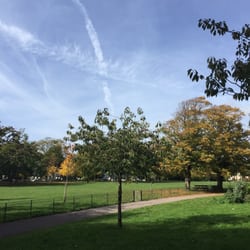
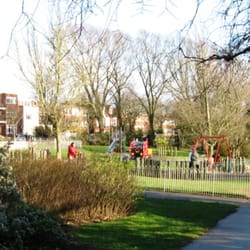
The second of Hove's major architectural set-pieces (after the Brunswick Estate) is Adelaide Crescent and its gardens, designed by the noted architect Decimus Burton (most famous for designing Kew's Palm House). The Square is now listed at Grade II*. In contrast to Brunswick Square, the architecture in Adelaide Crescent is much more restrained in style, with plain façades with Classical or Italianate touches, and grand entrance porticoes. The design of the gardens is interesting in featuring a large sunken area to provide protection from off-shore winds. Although plans were completed in 1830, construction was slow after 1834 and mostly undertaken between 1850 and 1860. The Crescent is named after Queen Adelaide, wife of William IV. The Gardens were famously the site of one of the disasters of Victorian architectural endeavour. The eminent botanist Henry Phillips instigated construction of a giant dome-shaped greenhouse, along the lines of the Palm house in Kew, where exotic tropical plants could be displayed to the public. Known as the Anthaeum (from the Greek word for flower, 'anthos'), like the Palm House, it was a cast iron structure clad in glass. At 164 feet in diameter and 80 feet high, this was to be the largest Dome in the world - larger than St Peter's in Rome. Built on what is now Palmeira Square, the glass-house was completed and opened to the public in 1833. The opening day was a great success, with crowds of visitors. Alas, that night, the dome collapsed completely, though fortunately, no-one was killed! However, work on completing the remainder of the crescent did not resume for another 15 years. To-day, most of the houses are divided into flats, although some are commercial premises. The gardens are open to the public, and provide a delightful place to walk and rest. read more


More info about Adelaide Crescent and Gardens
Adelaide Crescent
Hove BN3 2JG
United Kingdom
Directions
Hours
Outdoor Amenities















Why does Yelp recommend reviews?
1 review that is not currently recommended
The reviews below are not factored into the business's overall star rating.

15 years ago