Agate Fossil Beds National Monument Photos


![Agate Fossil Beds National Monument - 07.07.24 Agate Fossil Beds National Monument [Harrison NE] - Parks Near Me - Harrison, Nebraska](https://s3-media0.fl.yelpcdn.com/bphoto/rtG2FH5H7jc1_U5gOOwhwg/348s.jpg "Agate Fossil Beds National Monument - 07.07.24 Agate Fossil Beds National Monument [Harrison NE] - Parks Near Me - Harrison, Nebraska")
More like Agate Fossil Beds National Monument
Recommended Reviews - Agate Fossil Beds National Monument
Start your review...


Reviews With Photos


Visited Agate Fossil Beds National Monument on Sunday, September 17. In addition to fossils and Devil's Corkscrews we saw a great collection of Lakota Sioux memorabilia from the James Cook collection. Shout out to Amelia for spilling the tea on the Cook family, and showing us the prized cow pie from the Cook collection - not on open display. The fossil beds themselves were amazing but Amelia was fantastic, she made the visit.


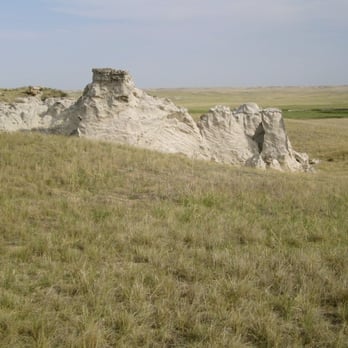
Talk about being in the middle of nowhere! Agate Fossil Beds definitely requires some effort in getting to, but for the hardcore National Park enthusiasts I'd say it is worth the trip. It is educational, but not a very scenic park. Don't go expecting to see dinosaur fossils like I did. At this park they have about 20 million year old mammal fossils. There are two hikes that you can take inside Agate Fossil Beds. The west portion of the park has the Daemonelix Trail. This one mile trail travels through time, including ancient sand dunes and fossil grassland soils, as well as the curious spiral burrows (Devil's Corkscrews) of dry land beavers. Their now petrified homes formed colonies much like current prairie dogs and attracted early scientists to this region. In the east portion of the park, near the visitor center, you will find the Fossil Hills Trail. This two and a half mile trail crosses the Niobrara River wetlands and loops around University and Carnegie Hills, where the great bonebed of Agate was discovered in 1904. Signs point out certain historic and geologic features and identify plants along the way. An unpaved one mile side trail leads to the restored 1910 homestead of Harold Cook, which was later used by the scientists as their "Bone Cabin" while working the fossil quarries. Here's the NPS quick summary of the park: "During the 1890s, scientists rediscovered what the Lakota Sioux already knew - bones preserved in one of the most complete Miocene mammal sites in the world. Yet, this place called "Agate" is a landscape that reflects many players - from early animals roaming the valleys and hills, to tribal nations calling the High Plains home, to explorers passing through or settling in the American West."


2 months ago

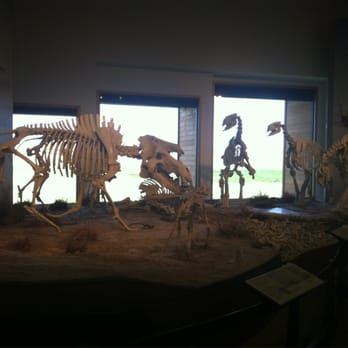
Fossils in the hills of Nebraska [Harrison NE] This national monument is located in Western Nebraska. Let me tell you now... it is out in the middle of nowhere! One lone building... the Visitor Center! You have to drive to the open prairie where the fossils can be found on quarries where the digs were conducted. Unfortunately, we were on a tight schedule and was not able to do the hike. Inside the Visitor Center is full of interesting exhibits Including a life-size display of ancient mammals (giant creature that looks like a pig). There are no dinosaur fossils here. We also saw some cool collection of Northern Plains Indian artifacts given as gifts to James Cook by Lakota Chief Red Cloud. The short film was educational. Tip: Make sure to gas up your car and bring snacks or pack a lunch before heading out to the monument. The closest gas station is over 30 miles out on Highway 29 heading either north or south. There are no vending machines at the Visitor Center but they have free WiFi available ¯\_(ツ)_/¯ Review #3503 read more


4 years ago
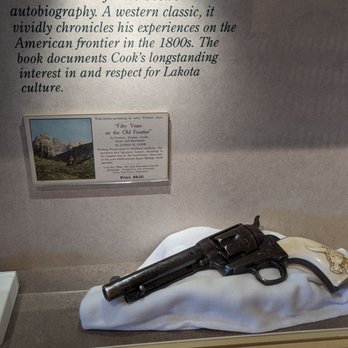
The Agate Fossil Beds are so named for the huge deposit of a mix of fossilized bones from the Miocene Epoch beginning around 23 million years ago. Considering the relatively recent timing, the bones found in the park are almost entirely from mammals. At some point in the past animals with a fairytale-like twist such as two-horned rhinos, wild bear-dogs, a clawed horse, camel-gazelles, and beaver-looking prairie dogs (that dug bizarre spiralized tunnels) dominated this region when it was transitioning from lush and forested to dry and barren. When ponds dried up and the animals all gathered around, they got stuck in the mud and died, adding to a growing pile of deposited bones that later fossilized due to volcanic ash layers burying them. While the paleontological high points of this beautiful park cannot be understated (a short hike of the two trails is well worth your time) the most impressive installation here, to me, was the one that expanded upon the history of James Cook, an early western rancher and settler, and Red Cloud, a leader of a local Lakota band. The two formed a close bond, their wives as well, and this led to many encampments of Red Cloud's band on the Cook ranch. The Lakota left a plethora of gifts to the Cook family that weathered the test of time and found their way into this museum. Compared to most other national park units in this general area of the country, this one does the best job of elaborating on Lakota life and hammering home the tumultuous impact on Native American Indians in the region at the hands of the US government. I was left moved especially by the gentle and unbiased nature in which Lakota life and experience was presented, allowing the visitor to develop their own impressions and thoughts. The beautiful pictographic winter count hide that greets you at the entrance to this special section could hold your attention for an hour easily. If you aren't driven to visit the park for the fossils, you should visit it for this exhibit in my humble opinion. read more


3 years ago
Visited Agate Fossil Beds National Monument on Sunday, September 17. In addition to fossils and Devil's Corkscrews we saw a great collection of Lakota Sioux memorabilia from the James Cook collection. Shout out to Amelia for spilling the tea on the Cook family, and showing us the prized cow pie from the Cook collection - not on open display. The fossil beds themselves were amazing but Amelia was fantastic, she made the visit. read more


4 years ago
3 years ago

Talk about being in the middle of nowhere! Agate Fossil Beds definitely requires some effort in getting to, but for the hardcore National Park enthusiasts I'd say it is worth the trip. It is educational, but not a very scenic park. Don't go expecting to see dinosaur fossils like I did. At this park they have about 20 million year old mammal fossils. There are two hikes that you can take inside Agate Fossil Beds. The west portion of the park has the Daemonelix Trail. This one mile trail travels through time, including ancient sand dunes and fossil grassland soils, as well as the curious spiral burrows (Devil's Corkscrews) of dry land beavers. Their now petrified homes formed colonies much like current prairie dogs and attracted early scientists to this region. In the east portion of the park, near the visitor center, you will find the Fossil Hills Trail. This two and a half mile trail crosses the Niobrara River wetlands and loops around University and Carnegie Hills, where the great bonebed of Agate was discovered in 1904. Signs point out certain historic and geologic features and identify plants along the way. An unpaved one mile side trail leads to the restored 1910 homestead of Harold Cook, which was later used by the scientists as their "Bone Cabin" while working the fossil quarries. Here's the NPS quick summary of the park: "During the 1890s, scientists rediscovered what the Lakota Sioux already knew - bones preserved in one of the most complete Miocene mammal sites in the world. Yet, this place called "Agate" is a landscape that reflects many players - from early animals roaming the valleys and hills, to tribal nations calling the High Plains home, to explorers passing through or settling in the American West." read more




3 years ago

6 years ago

7 years ago
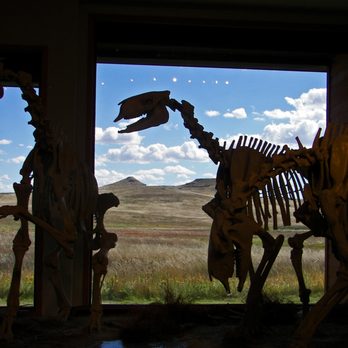
On the vast grass covered plains, 22 miles south of Harrison, Ne and 34 miles north of Mitchell on highway 29 lies Agate Fossil Beds National Park. It's remote so you are going to want to fuel up, also I could not get cellphone service. It's a National Monument so use what ever passes you posses. Miocene fossils from 25-13 million years ago abound here and are featured in museums around the world. The most famous fossils are of Palaeocaster (land beaver) which left it's tunnels and bones here. Mionippus (minute ancestor of the horse),Meoceras (small rhinoceros that roamed the savanna in large herds), Amphreyon (an eight foot bear like dog), Stenomylus (a small gazelle-like camel) and Daeodon ( a giant pig-like ungulate can all be seen at Agate as life size exhibits. In addition to the fossil collections there are trails which take you to the fossilized tunnels and quarry where the fossils were excavated. There is a sign which states beware of rattlesnakes. The trails are well worn and the sighting of rattlesnakes are rare. The Visitor's Center has 500 plus artifacts from the Captain James Cook collection of Plains Indians. The shirt worn by Red Cloud is of notable importance but other artifacts are equally interesting like moccasins, pipes and weapons. I'm glad I made this a stop on my tour. read more




12 years ago