Alefbet Photos



Recommended Reviews - Alefbet
Start your review...



2 years ago

8 years ago
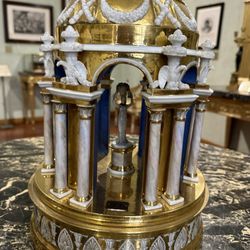
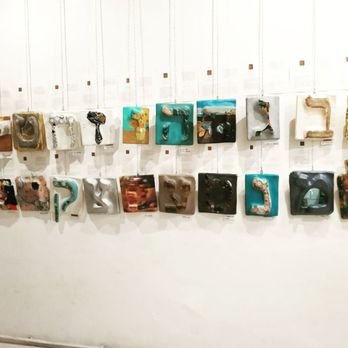
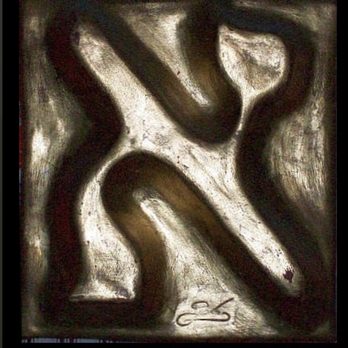
This was by far the most creative shop I've been to in the Roman Ghetto. I absolutely love the blending of the Hebrew alphabet with elements of Italy/Rome in a unique art piece. I stopped by the shop because I read an article about the Argentinian-born Gabriele Levy (the sculptor) and wanted to see for myself. I actually met the man who was very humble and incredibly kind. His pieces are absolutely stunning and I was able to even get a sneak peak as to how he creates them! I wish I was able to pack up the Colosseum raish and bring it back with me but I didn't have room in my luggage. Stop by and take a look - see for yourself! You will never find another shop/gallery like his. The website showcases Gabriele's work but you have to see the pieces in person (if you're in the neighborhood). read more


5 years ago
I found this place accidentally and wound up chatting with the artist-owner, who does really great work. He invited us to go down to his studio and then followed us there, where we talked some more and he showed us some nuances of his art. Then we went back upstairs and int the alley and spoke some more. It was fascinating! read more

More info about Alefbet
Via della Reginella 25
00186 Rome
Italy
Centro Storico
Directions
347 3464296
Call Now
Hours
Indoor Amenities
Outdoor Amenities
Other Amenities
From the Business