Rome never ceases to amaze, and this basilica is one of the most historically significant and and…read morearchitecturally impressive in town. Highly recommend a stop here!
This is one of Rome's four major papal basilicas* and one of the Seven Pilgrim Churches**.
Located on Esquiline Hill, legend is that Virgin Mary appeared to an aristocrat Giovanni and his wife, who were seeking to donate their possessions to Saint Mary--and to the pontificate in charge at the time Pope Liberius--indicating in a vision that a church be built where snow would fall in Rome during the summer. This miraculous event occurred on Esquiline Hill in August and the church was erected where snow fell. To this day in August annually, a celebration of the church founding is marked by a dramatic showering of white rose petals from the ceiling during mass.
In more accurate historical context, the building was built under Pope Celestine I (422-432) or less likely during the era of Pope Sixtus III (432-440), though he consecrated the basilica, and certainly not under Pope Liberius. Even before this, there were remains of a prior church and earlier building sites underneath excavations unearthed in the 20th century. There are references to the church being known as "Sancta Maria ad Praesepe" (Saint Mary of the Crib) since it contained (and still does) pieces of wood from the supposed holy crib or manger of Christ.
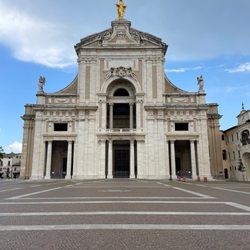
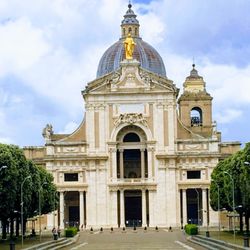
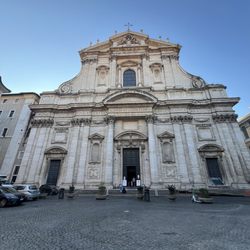
The current exterior and facade are the result of modifications to a Baroque style in the -8th century. The church is located in a piazza (Piazza dell' Esquilino) with the Colonna della Pace (Column of Peace; see my sep review for that!) added in the 18th century.
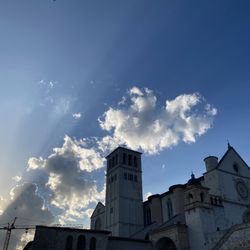
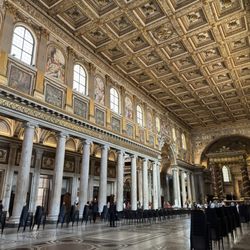
Inside the building retains its original 5th-century layout, a wide nave flanked by by marble columns on each side, with narrow side aisles, hemmed in by side chapels. In the 14th century a bell tower was added in the Romanesque style. The triumphal arch framing the front altar stands out with its colorful 5th century frescos, and the mosaics covering the other walls depict biblical scenes.
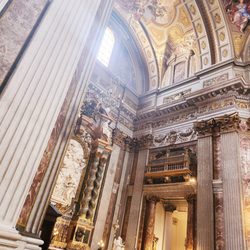
The front altar, crypt and Sistine Chapel (not the one in the Vatican), are worth taking a closer look at while visiting. There is no admission charge, though donations are accepted. They open very early at 7am, and close 6:30pm daily.
Notably eight popes as buried here, the latest being in 2025 of Pope Francis.
For more info:
https://www.basilicasantamariamaggiore.va/en/basilica/storia-e-arte.html
*meaning according to google ;P it's one of the four highest-ranking churches in the Catholic Church, all located in Rome's diocese, which maintain a unique connection to the pope. Each papal basilica features a high altar and a papal throne that only the Pope (or someone he designates) may use to celebrate Mass.
**a historic group of major and minor basilicas visited by devoted Catholic pilgrims to this day--it's a 25-kilometer (15-mile) walking trail around Rome popularized by Saint Philip Neri in the 16th century.