Basilica Sant't Andrea della Valle
Basilica Sant't Andrea della Valle Photos


Recommended Reviews - Basilica Sant't Andrea della Valle
Start your review...



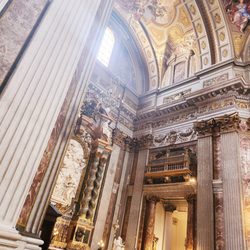
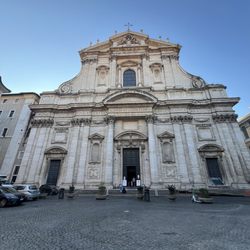
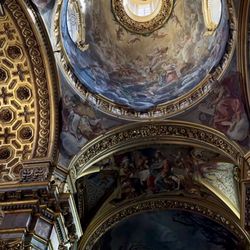
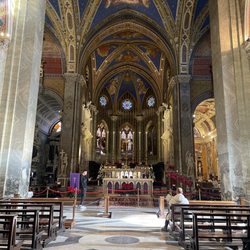
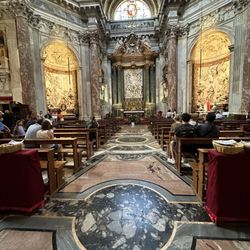
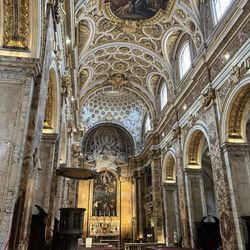
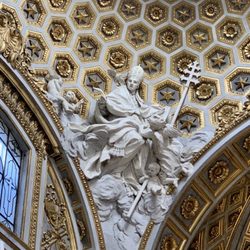
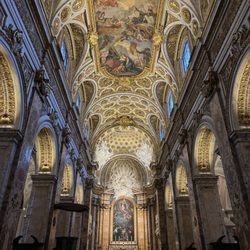
Visiting the Basilica di Sant'Andrea della Valle is an impressive experience. I knew nothing about it until we accidentally walked by it during one of our daily explorations in Rome. This beautiful church is near the Piazza Navona and has an interesting history linked to the Theatines religious order, which started building it around 1590. A number of famous architects, including Giacomo della Porta and Carlo Maderno, designed the church, which is a major example of late Renaissance and early Baroque architecture. It is famous for having the second-highest dome in Rome, just below St. Peter's, and for being the setting of the first act of Puccini's opera, Tosca, which adds to its cultural significance. The inside of Sant'Andrea della Valle is stunning. The size of the space and the beautiful decorations are very impressive. The walls and ceilings are covered in exquisite marble, gold, and vibrant frescoes by Baroque artists like Lanfranco and Domenichino. This church is a good example of the Roman Baroque style, giving visitors a sense of beauty and awe. Whether you are looking for great architecture or happen to find it, the Basilica is a worthwhile stop in the Eternal City. read more
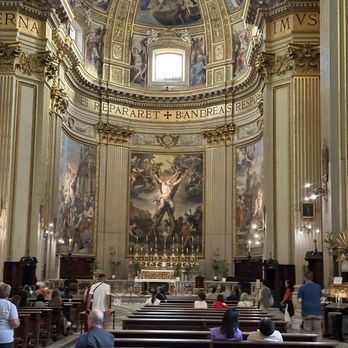
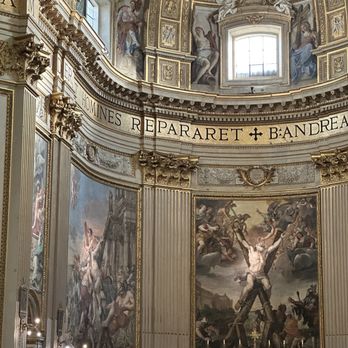


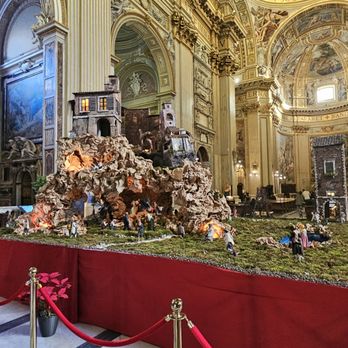
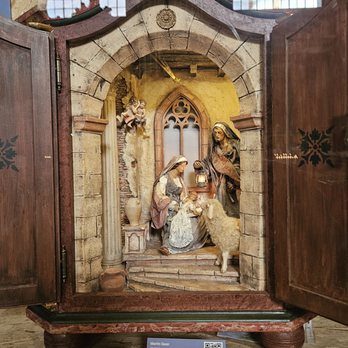
This is probably one of my favorite churches in Rome because it holds fond memories for me. Ten members of my family represented the United States singing at a Christmas Concert back in 1962. Sant 'Andrea boasts the second largest dome in the city next in line to St. Peter's Dome. Use the handy mirror that is provided to examine the early-17th-century frescoes by Domenichino in the choir vault and those by Lanfranco in the dome. (Bring a few coins to light the paintings, which can be very dim.) The three massive paintings of Saint Andrew's martyrdom are by Maria Preti (1650-51). Richly marbled and decorated chapels flank the nave, and in such a space, Puccini set the first act of Tosca. We were lucky to be able to see The "Nato per Noi" exhibition, which featured over 40 nativity scenes from around the world. The nativity scenes here blended tradition with artistic innovation. They varied in sizes from large to tiny - each one very unique and beautiful. read more




14 years ago

12 years ago
Hidden Gem in Rome.. Discovered it while walking the backstreets.. One of many Basilicas in Rome read more


8 years ago