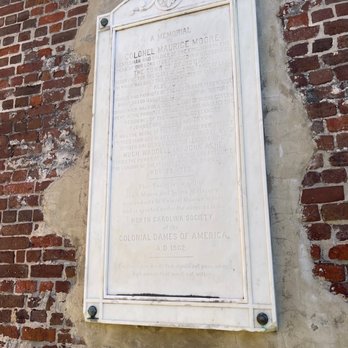
Brunswick Historical Marker Photos

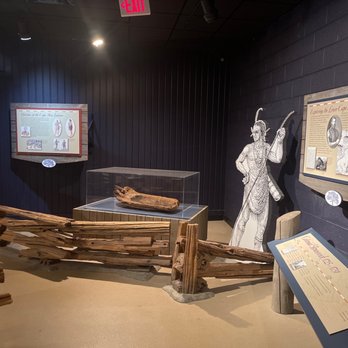

More like Brunswick Historical Marker
Recommended Reviews - Brunswick Historical Marker



More info about Brunswick Historical Marker









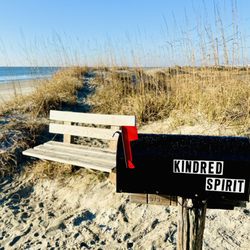




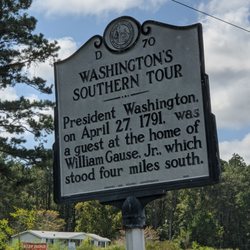



Brunswick Historical Marker - landmarks - Updated July 2026
Best of Smithville
People found Brunswick Historical Marker by searching for…
Places to Take Pictures in Smithville, NC
Free Things to Do in Smithville, NC
Historical Sites in Smithville, NC
Fun Things to Do at Night in Smithville, NC
Abandoned Buildings in Smithville, NC
Tourist Attractions in Smithville, NC
Military Museum in Smithville, NC
Religious Organizations in Smithville, NC
Public Services & Government in Smithville, NC
Cultural Center in Smithville, NC
Historic Restaurants in Smithville, NC
People who viewed Brunswick Historical Marker also viewed

Village of Bald Head Island
5 reviews

Old Brunswick County Jail
1 review
National Weather Service
1 review

Pioneer East Coast Surfing Historical Marker
1 review

James Gibbons Historical Marker
1 review

New Hanover County Courthouse
5 reviews

Old Smithville Burying Ground
1 review

Holden Beach Bridge
1 review

Holden Beach Town Hall
3 reviews

Blue Star Marker And Veterans Memorial
1 review