Cancel
Open app
Search
Sign Up
Log In
Nearby
Bookmarks
Start a Project
Add a Business on Yelp
Add Review
Directions
Add Photo
Start your review...
Get app
10 years ago
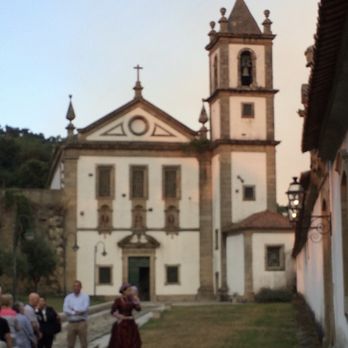
5* Alpendurado Benedictine Monastery Alpendurado e Mateos Near Bitetos, on the Douro River Have dinner and fado show that is very good The food was delicious The wine flows Very nice experience read more
Convento de Alpendurada - monastery - Churches Near Me - Alpendurada e Matos, 13
See all
Lugar do Mosteiro
4575-059 Alpendurada e Matos
Portugal
Hours
What time does Convento de Alpendurada open?
What time does Convento de Alpendurada close?
Get access to customer & competitor insights.
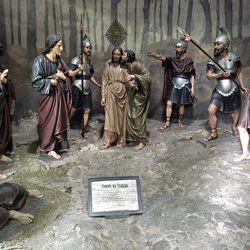
Portugal has been a very religious country throughout its history (less so now according to my tour…read moremanager). During their ultra-wealthy days from colonialism with gold and gems flooding in from Brazil and Angola, ultra-fancy churches in the scale of compounds, sanctuaries, and more were built. Bom Jesus do Monte in Braga is such an example. The present sanctuary started construction in 1722. Other than the Baroque church at the top, one set of zigzag shaped stairways are dedicated to the Five Senses each represented by a fountain and one set of stairways is dedicated to the Three Theological Virtues: Faith, Hope and Charity, each with its fountain. Chapels on either side of these staircases have sculptures dedicated to the Passion of Christ. In addition, they have a huge garden, a shop, historical items, a funicular (called elevator) and much more. See their website for more than what my photos can convey. https://bomjesus.pt/?lang=en We visited on a day of pouring rain, and it was still fantastic. They have different winter vs summer schedules for every location. Best to check their website here: https://bomjesus.pt/informations/?lang=en The location is about one hour drive from Porto. It is a great day trip from Porto. Be sure to visit Braga, the historical center also.
This place was amazing, the architecture and gardens were so beautifully kept up…read more Of course the history is awesome, you wonder what it would have felt to be alive when it was built.
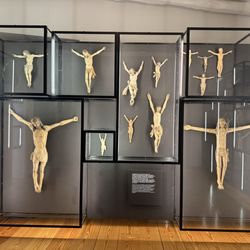
Passion of Christ artwork inside chapel
Remains
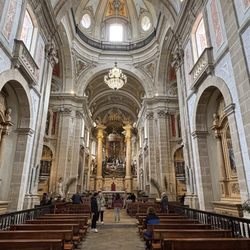
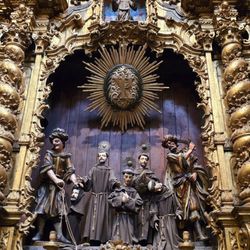
The stunning Golden Church is worth visiting…read more Igreja de São Francisco is one of Porto's most impressive UNESCO heritage sites, featuring the golden Baroque church as well as a second church of the Third Order of Saint Francis, a museum and catacombs all accessible with the entrance ticket (€12). From the outside, the 14th century Gothic church facade on one side appears fairly understated, but the interior celebrates the wealth and history of Portugal's colonial explorations up to the 18th century. Within the main church, we admired every surface that was covered in intricate gold-gilded wood carvings from altar to altar. This included the Tree of Jesse that depicted the intricate family tree of Jesus Christ, the altar of Martyred Saints of Morocco, and the main altar adorned with golden steps & columns above the Franciscan coat of arms. It's estimated there are nearly 500 kg of pure gold coated within the interior! The details were a feast for our eyes. Directly adjacent to this is the Church of the Third Order of Saint Francis, built in the 19th century as a cleaner Neoclassical space of worship. We appreciated the elegance of the white lit interior leading to the main altar painting. Beneath the church, the catacombs add a darker contrast to the self-guided tour. The overall complex was relatively busy with visitors but is vast to explore. Skip it or hit it? It's a worthwhile stop to one of the most unique interiors in Porto.
When ever there is anything big happening in Porto this square is the center of most activity. From…read moreconcerts to protests and everything in between.
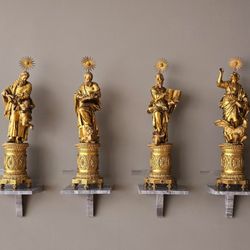
St Anthony of Padua
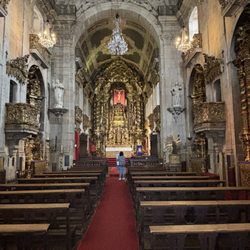
View from the church's font
Holy Martyrs of Morocco
There are so many beautiful churches in Europe and Porto, Portugal is no exception. The…read morearchitecture in this church is so detailed and amazing. It's a definite must visit on a trip to Porto.
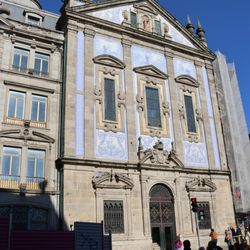
Lovely church with exceptional tile work. Well worth a stop. It's right across the way from a…read morelovely cafe and shopping area- so after lunch, wander over to this beautiful little church.
Now here's a book you can actually judge by its cover. While the São Bento Station has similarly…read moreartistic tiles inside the terminal building, the Chapel of Souls has the Instagram-worthy distinction of featuring over 16,000 brilliant blue-and-white azulejo tiles on the outside. It's quite a sight as Jamie W and I approached the church strolling up the bustling Rua de Santa Catarina. That's because it contrasts sharply with the surrounding modern buildings. As we got closer, we saw the tiles depict scenes from the lives of Saint Francis of Assisi and Saint Catherine. Although the church was built in 1719, the tiles were not installed until 1929. The interior is also worthwhile to explore, but keep in mind the nave is quite small and that it's an active place of worship. RELATED - Exploring Porto? Here's a collection of places I've visited and reviewed: https://yelp.to/JLpNLkrj47
Well I've tried to make it a habit to bring visitors to this metro stop, at Bolhão mercado. When…read moreyou come up the escalator, this greets you.
Photo 6: Interior
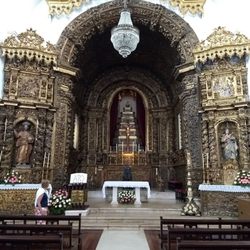
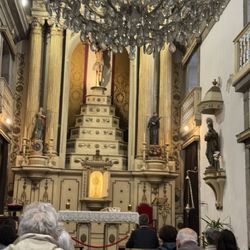
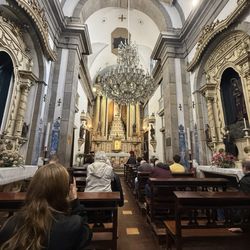
If one church visit isn't enough how about a double-church…read more Igreja dos Carmelitas is one of the unique churches in Porto's historic streets, connected to its adjacent twin, Igreja do Carmo. These two churches nearly blend together. Built in the 17th century, the Carmelitas side on the left for nuns is classic baroque. And unlike the Carmo side on the right for monks, entry was free when we visited making it a convenient pit stop between other historic sites. There is even a 3 ft wide narrow house between both churches that traditionally segregated Carmelite monks from nuns. Before going in, admire the elegant azulejo blue tiled wall on one side and the magnificent bronze Fountain of the Lions nearby, thought to be the inspiration for Harry Potter's Gryffindor crest. Inside the church feels quiet and intimate with decor featuring soft gold accents and traditional woodwork. Everything felt restrained except for the gilded main altar with intricate woodwork and a tiered mantlepiece dedicated to Our Lady of Mount Carmel (Virgin Mary). Skip it or hit it? It's a quick and free visit in this area of Porto worth exploring.
Two churches. One facade. Zero personal space. These side by side beautiful churches are separated…read moreby the world's narrowest house (bless that tenant). The Carmo side is tiled and extra while the Carmelitas side is older and more humble. Legend has it, the tiny house in between was built to keep the monks and nuns from getting... too social if you know what I mean. The drama!
Igreja dos Carmelitas
What a beautiful church! I can only speak for the outside, becaue we only peeked inside since there…read morewas a small fee. Thait seemed like what most people were doing, but just the facade is a sight to behold in itself. There's plenty of tilework on the exterior of the church to admire and the blues are so pretty! We came by on a Monday at around 4 PM and it was pretty quiet at that time. Good stop to make while in Porto if you're into unique tilework.
The Church of Saint Ildefonso is really a must when visiting the City of Porto. The beautiful tiled…read moreexterior immediately draws the visitor into its ornate interior and exquisite altar. The visit costs one Euro and it's definitely worth it. We were lucky to have been there when there was music playing adding to the atmosphere. I personally loved it so much that just had to return a second time to purchase a souvenir from the shop where I was well taken care of by a lovely gentleman. I will definitely have to come back next year and take the tour of the museum. Muito obrigado to the staff of the wonderful jewel of a place. Ben Urizar - New York, New York
I thought I'd have to bribe Jamie W to climb this historic tower, but he surprised me by not…read morewhining about it. I knew from more youthful vloggers on YouTube that the panoramic views were spectacular from the top. At 246 feet, the tower is the highest point in Porto's historic center. However, before we climbed the inevitable 240 steps, the museum beckoned. It was formerly the private quarters of the clerics who founded the church. The space now houses religious artifacts and related art exhibits and extends into the High Church Gallery, a balcony promenade that provides an elevated view of the church's ornate nave (Photo 5). Before entering the stairwell, we had our photos taken in front of a green screen for souvenirs they pitched to us later. The climb wasn't that bad, just a bit claustrophobic in some sections, specially when we had to squeeze by perspiring tourists. They were more spritzing than sprinting. There are two observation floors. The first is about 2/3 of the way up, while the narrower space at the summit provides the ultimate payoff with panoramic cityscape and river views (Video). As usual, the climb down was easier since we knew how long it should take. And yes, there were photos of us standing at the summit in comic poses. I usually bypass them, but for 8€, I couldn't help myself (Photo 7). RELATED - Exploring Porto? Here's a collection of places I've visited and reviewed: https://yelp.to/CzAl-vBlP0
A historic climb for a view of Porto's skyline…read more The Clérigos Tower is a baroque landmark easily spotted from vantage points across historic Porto, and therefore one that's worth climbing for that panoramic view from above. The 75m bell tower monument is connected to a church that was built for the Clergy brotherhood in the 18th century. The ornate church and relic exhibit are also worth sightseeing to gain appreciation of its history. We pre-booked our visit (€10) and were serenaded with a concert taking place in front of the brilliantly lit church altar. From there we were able to head above the nave for a full vantage of the church and dome in its pink & white marble tones. At our exact booking time, we were able to queue in line before taking the steps up the actual tower. The queue was slow-moving because the staircase is narrow and the steps themselves were quite steep making it challenging particularly for those with knee pains. Once we made it to the top, we were rewarded with the 360 panoramic views including the famous bridges connecting to Gaia, and the historical city centre with orange rooftops underneath. It can be a workout getting up and down as the tight staircase has to accommodate the constant two-way flow of visitors. Skip it or hit it? This is one of the prominent sites in Porto but be ready for the stairs.
Sardine tin inspired souvenirs
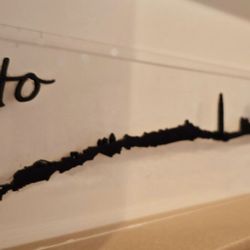
Souvenir shop's Porto landmark silhouette
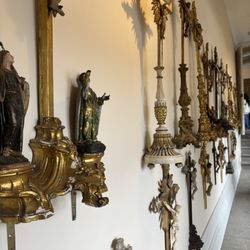
Photo 10: Religious artifacts
When standing in front of Igreja do Carmo, we are in fact looking at two churches with a very…read morenarrow house, called Casa Escondida or the Hidden House, between them. The right side is Igreja do Carmo (built 1756 to 1768), a catholic church and is popular for its rococo/Romanesque style with the tile exterior. The left side is Igreja dos Carmelitas (mid-17C) that may or may not be open for visitors. The neat thing about visiting Igreja do Carmo is that the admission fee provides access to uncommon corners and behind-the-scene places, such as standing at the pulpit, the catacombs with a mummified sister on display (yeah, for reals!), relics (i.e. fingers and bones of saints), a museum, and roof access. The altar is very ornate. A unique viewing point is accessible that may have been a private corner for the very wealthy or royalty. And, I can kiss the foot of Jesus (no, I did not). The 3-storey Casa Escondida or the Hidden House has a wall-to-wall width that is supposed to be 1 meter wide (according to their website). It looks wider than that. Legend has it that this house was built to prevent contact between the monks of Igreja do Carmo and the nuns in the Igreja dos Carmelitas. The reality is likely less juicy, to fill an unsightly gap. It also housed guests and held secret meetings during the Napolean invasion in 1832. Definitely recommend seeing this church with the unique access.
Great Hall in Museum
Brands by name
Articles by date
Now you wouldn't go to Paris without visiting Notre Dame, especially now that it's been renovated,…read morewould you? The same goes for Porto's preeminent cathedral for the first-time visitor to Porto. Flanked by twin towers and perched on a hilltop overlooking the cityscape near Ponte Dom Luis I, the sacred building is known as the Sé and was originally built between the 12th and 13th centuries. Featuring a variety of architectural styles, including Romanesque, baroque and gothic, the stone exterior is austere and rather bland, but the interiors of both the church and the cloister are rich in historical and often striking detail dominated by a beautiful stained-glass rose window in front. The anticipation of walking amid centuries-old sculptures explains the long queue to get in. The Chapel of the Blessed Sacrament holds a massive, heavy silver altarpiece made in the 17th and 18th centuries. The 14th-century Gothic cloisters are lined with cobalt blue and white azulejos tiles depicting different scenes from religious history. Entry costs 3€ per person. Once we exited the building, the expansive terrace gave wide views of the old town and the Douro River. RELATED - Exploring Porto? Here's a collection of places I've visited and reviewed: https://yelp.to/VxPs6Lylyb
Porto Cathedral is a trek but I think it's worth it. The inside of the church has some nice…read morearchitecture and some cool winding staircases to explore. I love the rooftop with the blu/white porcelain murals that make for great photos. The square surrounding the church has amazing views of the city and it feels lively with street performers. We had a really nice visit here!
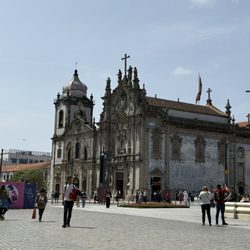
There are a bevy of beautiful churches in Porto, and they're essential to the cityscape. It was…read moreJamie W who bookmarked this church for us to visit, and I'm glad he did because I never would've guessed from its rather generic Gothic exterior that there would be such an ornate Baroque and Rococo interior covered in gold leaf and polychrome (Photo 2). The church was built in 1416, but it wasn't until 1700 to 1740 when the interior took shape. That was when the gilded woodwork depicted angels, saints, cherubs, and patterned designs in meticulous detail. Following a recent restoration effort, the second floor offers a sweeping vantage point of the entire nave (Photo 3). There's also a perpetual short video shown of the restoration. Admission is 4€ and well worth it. What's more, it's only a five-minute walk to Porto Cathedral and just a leisurely stroll to the upper level of the Luis I Bridge. RELATED - Exploring Porto? Here's a collection of places I've visited and reviewed: https://yelp.to/S_PFaeXDaO
We booked tickets online maybe about a week prior for 3 PM entry tickets for a Monday afternoon…read more Daytime tickets are €8 and nighttime is €5, which seems pretty cool but we didn't feel the need to visit twice, especially since our time in Porto was limited. It took us probably about 40 minutes to explore everything, climb to the top, and take photos as the top. You get a great view of Porto and all of its red rooftops. The climb isn't super easy though. It's a lot of steps and there are some narrow areas, but if you feel like you're physically up to it, the views are so worth it. It gets super windy/cold up there though so dress warmly. It also wasn't too crowded at the time we went, so that was another nice perk. Highly recommend if you're visiting Porto!
Built in the mid 1750's, this baroque tower of the Igreja dos Clerigos church is the tallest in…read morePorto. Offers an amazing view of the city and the Duoro river. It has 225 steeps to the top so since i have a bad knee, needless to say i didn't climb it.
Beautiful and hidden gem away from the crowds. I would recommend this for the opulence.read more
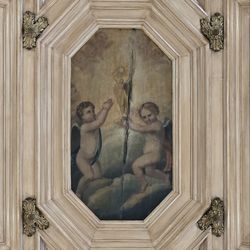
The Church of Santa Clara has very recently reopened after a 3 year restoration project. This…read morechurch and convent was built in the 1400's for the Poor Clares (lol, more on that later) and is a UNESCO site since 1996. The entry is a modest €4 & well worth it to see outstanding examples of Portuguese woodcarving and artistry. First, you'll walk through a small room where some early paintings and altarpieces are preserved. Then, you'll head into the church - prepare to be stunned by the most ornate & elaborate decor ever. It seems that every square inch has been beautifully carved and embellished and then plated in shining gold. It's truly breathtaking and honestly, for its size is more impressive than some more "famous" churches. Really take time and look at the details - the altar painting is S. Clara driving back bad guys with a gold monstrance. There's several depictions of Mary, one with a bonus depiction of a snake Satan with an apple. The ceiling is incredibly detailed as well. I guess I know why the order is the Poor Clares, it looks like they spent everything on this jewel box of a church. You'll then head upstairs to the choir which offers a different perspective and higher views. There's a short 4 minute video that details the restoration which is well worth the time - it's amazing what they started with and were able to do in just 3 years. The docent working was really friendly and knowledgeable as well. IMO, make this place a must-see in Porto. Plan ahead as they close for an hour or two for lunch mid-day.
A small church among hundreds in Porto…read more Parish Church of St. Nicholas stands out near Palacio Bolsa for its purplish azulejo facade. This 13th-century church is free to enter, and is also a quiet reprieve from the hot weather and busy streets packed with tourists in Porto's historic district steps from the Douro River buzz. Just like other more prominent churches in Porto, this church features a Baroque style uplift with ornate gold decor, gilded woodwork, and several intricate altar within the small nave interior. It's not as elaborate as others but still left us with an impression of its charm. Skip it or hit it? Hit it for a quick, peaceful spot if you're already sightseeing in the area.