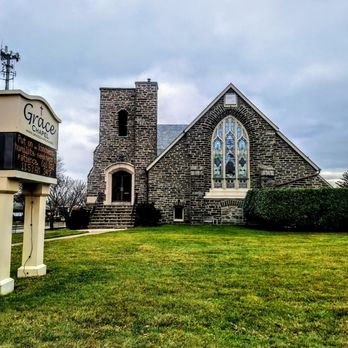
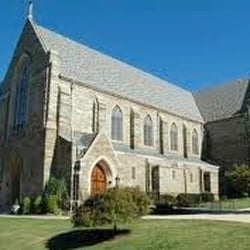
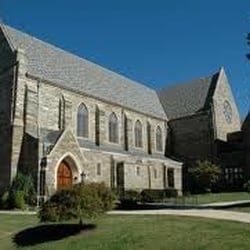
Grace Chapel Photos


More like Grace Chapel
Recommended Reviews - Grace Chapel
Start your review...



6 years ago
The Lord is clearly not with you in this church. I praise to Jesus every single day and one afternoon while driving by, I saw a sign for OCC ( Occupation Christmas Child). I thought this was a wonderful contribution towards those who may be in need around this time of year. Helping families in need is a wonder and I knew I just HAD to donate my loafers. I was so excited to make a poor persons day but of course. This church would not let me donate my shoes due to the fact that they were "too worn". I understand that there is a point of shoes being too worn, but these babies were not. A few spots of mud never hurt anyone, especially those in need. A person who is running out of shoes does not care about a speck of mud, but play Grace Chapel. It honestly made me question my religion, but I am an avid God worshipper, so it only messed up my day. I love god still and I actually drove into Philly to give my shoes away because I wasn't going to let them go to waste. Thanks a lot Grace Chapel for taking my gas. read more


14 years ago
More info about Grace Chapel
Ask the Community - Grace Chapel









Why does Yelp recommend reviews?
1 review that is not currently recommended
The reviews below are not factored into the business's overall star rating.

9 months ago
Grace Chapel - churches - Updated September 2026
Browse Nearby
BEST of Havertown, Pennsylvania Coffee near Grace Chapel
BEST of Havertown, Pennsylvania Restaurants near Grace Chapel
BEST of Havertown, Pennsylvania Things to Do near Grace Chapel
BEST of Havertown, Pennsylvania Breakfast near Grace Chapel
BEST of Havertown, Pennsylvania Religious Organizations near Grace Chapel
BEST of Havertown, Pennsylvania Bible Study near Grace Chapel
BEST of Havertown, Pennsylvania Synagogues near Grace Chapel
BEST of Havertown, Pennsylvania Gyms near Grace Chapel
BEST of Havertown, Pennsylvania Thrift Stores near Grace Chapel
Browse Brands
Browse Articles
People found Grace Chapel by searching for…
Religious Organizations in Havertown, PA
Religious Schools in Havertown, PA
Vacation Bible School in Havertown, PA
Catholic Church in Havertown, PA
Progressive Church in Havertown, PA
Religious & Spiritual Places in Havertown, PA
Christian Preschool in Havertown, PA
Church for Young People in Havertown, PA
Black Churches in Havertown, PA
Spiritual Centers in Havertown, PA
Non Denominational Church in Havertown, PA
Christian Counseling in Havertown, PA


