Musée Gallo-Romain de Lyon-Fourvière Photos



Recommended Reviews - Musée Gallo-Romain de Lyon-Fourvière
Start your review...


Reviews With Photos


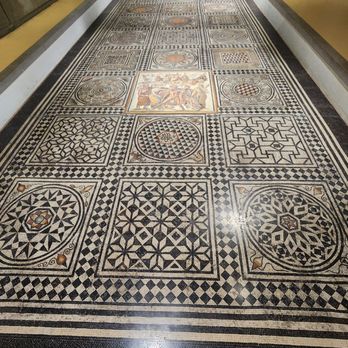
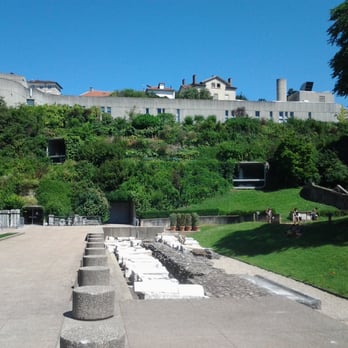
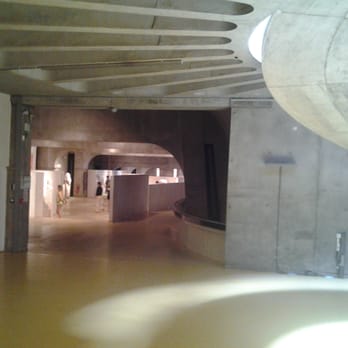
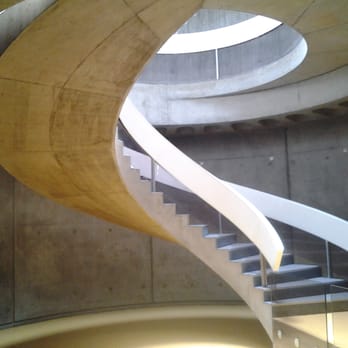
[Vous m'excuserez de ne pas écrire la critique en français et je suis juste venu à Lyon et j'apprends le français. J'espère que le prochain sorte en français] Today was my first day in Lyon. Just after getting to the Tourist Office the lady gave me a paper with all the museums open today, August 15th, a bank holiday in France. I had seen pictures of the Roman theater so I decided to go visit it. Besides the theater and the odeon, there is a magnificent museum. Just the architecture of it is amazing, with the beautifully worked concrete by Bernard Zehrfuss (including the "sun eyes" facing the theater). If you go on Thursday it is free to get in, plus a free audioguide (which I took in Spanish). The collection is great and my favorite were the mosaics. So happy to have experienced it on my first day.


Quality/Quantity - Another must visit if you are in the area. Better yet, attend a concert here. Where the ancient Roman Theater meets today's modern tech and entertainers. See my pictures, they are setting up for the next event, concert, fair, etc. Clean restrooms. Ambiance - See above. Service - Self service. Price - Free. Owner Comment - Congrats on all your success. read more


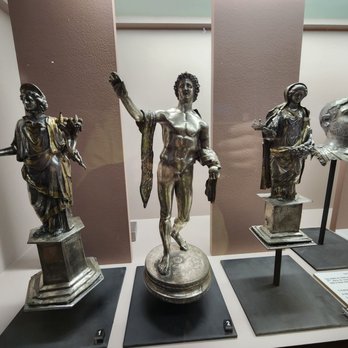
A must see if you enjoy Roman history as I do. Unique pieces from Lyon's past as the Roman provincial capital known as Lugdunum are displayed with plenty of room to admire the artistry. The museum starts at the top and ramps down through time. Some English signage on displays helps guide you along from 7000 BC to 197 AD. Numerous exhibits aimed at kids throughout, plus an activity corner. read more




13 years ago
[Vous m'excuserez de ne pas écrire la critique en français et je suis juste venu à Lyon et j'apprends le français. J'espère que le prochain sorte en français] Today was my first day in Lyon. Just after getting to the Tourist Office the lady gave me a paper with all the museums open today, August 15th, a bank holiday in France. I had seen pictures of the Roman theater so I decided to go visit it. Besides the theater and the odeon, there is a magnificent museum. Just the architecture of it is amazing, with the beautifully worked concrete by Bernard Zehrfuss (including the "sun eyes" facing the theater). If you go on Thursday it is free to get in, plus a free audioguide (which I took in Spanish). The collection is great and my favorite were the mosaics. So happy to have experienced it on my first day. read more





10 years ago
A lovely regional museum focusing on bronze & Roman age antiquities of the local Rhone valley/Lyon region. A real highlight of our holiday. The museum is also a real eye opener itself, being an architectural gem in it's own right, a cross between 1970's concrete brutalism/James Bond baddie hideout! read more


9 years ago
Page 1 of 2
More info about Musée Gallo-Romain de Lyon-Fourvière
17 rue Cléberg
69005 Lyon
France
Saint-Just, 5ème arrondissement
Directions
04 72 38 49 30
Call Now
Visit Website
http://www.musees-gallo-romains.com
Hours
Other Amenities
From the Business
Musée Gallo-Romain de Lyon-Fourvière Reviews in Other Languages
























Why does Yelp recommend reviews?
2 reviews that are not currently recommended
The reviews below are not factored into the business's overall star rating.

10 years ago

16 years ago
Musée Gallo-Romain de Lyon-Fourvière - museums - Updated August 2026
Browse Brands
Browse Articles
People who viewed Musée Gallo-Romain de Lyon-Fourvière also viewed

Musée de l'Imprimerie et de la Communication Graphique
23 reviews
Cordeliers, Presqu'Ile, 2ème arrondissement

Maison des Canuts
14 reviews
Croix-Rousse, 4ème arrondissement

Musées Gadagne
22 reviews
Saint-Jean, Vieux-Lyon, 5ème arrondissement

Musée des Confluences
93 reviews
Confluence, 2ème arrondissement

Soierie Vivante
9 reviews
Croix-Rousse, 4ème arrondissement

Musée Miniature et Cinéma
92 reviews
Saint-Jean, Vieux-Lyon, 5ème arrondissement

Musée Henri Malartre
12 reviews

Institut Lumière
13 reviews
Monplaisir, 8ème arrondissement

Musée Africain de Lyon
8 reviews
Garibaldi, 7ème arrondissement

Le Planétarium
17 reviews