Parco Archeologico Photos


Recommended Reviews - Parco Archeologico
Start your review...



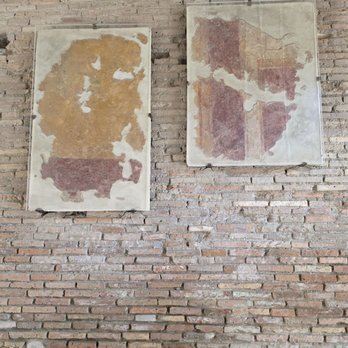
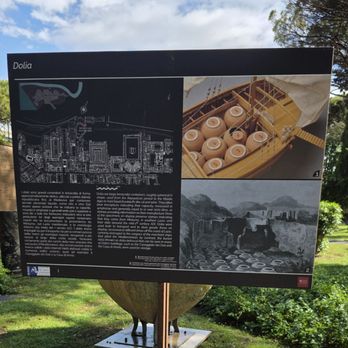
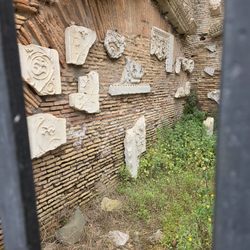
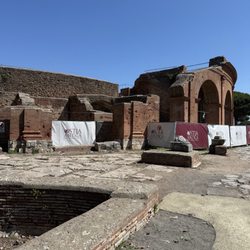
It was even better than I thought it would be. Listening to Rick Steves' audio guide ahead of time totally helped with navigating around the site. I also purchased a very thorough map (Ostia Antica Modern Passion) for a few euros that was recommended at the ticket office. It came in very handy because it's actually quite a long walk, and almost impossible to see everything in 3 hours. This map actually helped in prioritizing the must see sights. Our online ticket timed entry was 9:30am, but you can just purchase it there. There really wasn't a whole lot of people around on a weekday. There's a free public restroom and vending machines with water next to the ticket office. The only other restroom is near the café. Just start on the main road and work your way up. Everything is well marked with interesting facts and descriptions. It was amazing to see the well-preserved buildings and mosaics intact. It didn't seem like that in Pompeii. Then again, this ancient port city had been covered by sand dunes for centuries compared to a pyroclastic flow & ash. It's great that some of the dedication plaques and mosaics have not been unearthed and placed in a museum. Most of them are the originals. The statues and other artifacts are in the museum on site. Do not leave without visiting that museum. It's next door to the café. What I love is that they have steps leading up to viewing points. There was one at the Baths of Neptune and another near the Thermopolium of Via di Diana. Take advantage of these viewing areas. You'll be amazed at what you can see up there. There is one at the Theater overlooking the Plaza of the Guilds, but the theater is currently under renovation or construction. I didn't get that chance, but there is a lovely view of it from the corporate guild as you're walking around that square. It was interesting to look at all the mosaic merchant signs. You can get an idea of what they were selling by the picture & design. I'm not going to ruin it for you. There is so much more to see and write about. It's a must visit in my opinion. Especially if you're into seeing what Roman city life was like back in that time period. There are birds and flowers all over. Mainly just poppies that randomly pop up here and there. It's peaceful & quiet compared to Ancient Rome. I don't think many people know about it. There is a cute café, bookstore, and museum past the warehouses (Horrea) to the right towards the Tiber River. It was a very relaxing time. Check it out if you're staying anywhere near the airport. read more





2 years ago
Ostia Antica is often suggested as a convenient alternative to Pompeii and without the mass casualties. And it is both convenient and not tragic. This ancient Roman port city of approximately 50,000 residents has some must see elements, many of which are only found by extensive exploring: Necropolis as you enter Baths of Neptune and amazing mosaic Condo complex Communal toilets Granaries for storage of grain from Alexandria Millstones Tip: it is a huge site; use the bathroom at the entrance before you enter; the only other bathrooms were at the cafe and bookstore Tip: you navigate most of the site on an ancient road; it is very uneven; wear sneakers! Tip: rent the headsets, which provide helpful commentary read more


7 years ago
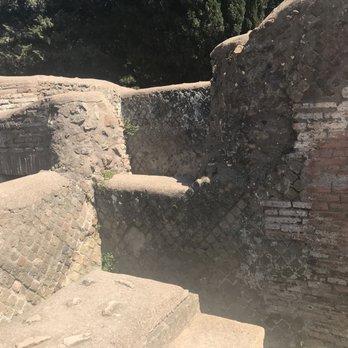
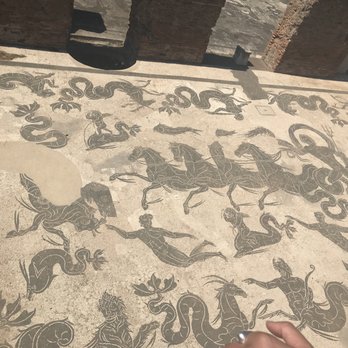
It used to be that the city of Ostia ("mouth") was at the mouth of the Tiber River, at the junction of the river leading into the Mediterranean Sea. When Rome started its expansion along the Mediterranean it was considered its first colony - serving as a naval base. The city layout give a hint to this as the walled city contained two major roads with the forum at the center. When Rome controlled the region its focus switched from military to commercial and its main use was to take imports and transport them to Rome. In particular the city was known for its high-quality grain. The city fell into a slow decline as newer ports were built nearby that could handle more load. Eventually Ostia ceased to be a port city. When Rome was conquered Ostia was ignored due to its insignificance. Over time silting shifted the sea line and the site now lies 2 miles from the sea. It is because of the silting and its long-forgotten status that the ruins are preserved though people did loot some of the materials onsite as "properties of antiquity" or as material to build churches all over Italy. LOGISTICS Cost: €13.00 How to get there (from Termini): At the metro station, take Line B to Porta San Paolo (Piramide). Then take the train Roma-Lido and get off at Ostia Antica. Continue straight ahead for about 5 minutes to the entrance to Ostia Antica. Allow about 3-4 hours minimum for visit. Though there is a cafeteria, selection is limited so bring food. Also bring water and sunscreen (if necessary). Unlike MUHBA in Barcelona, there is little signage at the site itself. Therefore to get the most out of your visit it's highly recommended to read up on the ruins itself or get a good guide, audio or personal. For my visit I used the services of a guide via Walks of Italy on a now-defunct tour that also included Castel Gandolfo. HIGHLIGHTS - Necropolis - Porta Romana which leads you to the main street "Decumanus Maximus". - Baths of Neptune (mosaic of Neptune in the bottom of bathtub). - Firefighter's Barracks - Theater that house up to 4000 spectators. Entertainment was varied but included gladiator fights and plays. The theater still holds concerts to this day. - Square of the Guilds which housed offices of various guilds and businesses. Mosaics advertised in various pictograms the purpose of a particular office for people illiterate or not versed in Latin. - House of the Millstones which ground grain. - The "caseggiato" of the thermopolium aka a tavern. Pictograms depict what was served. - The Forum containing a Capitolium dedicated to Jupiter, Juno and Minerva (aka Zeus, Hera and Athena). - The Round Temple with purpose unclear: could be either similar to Roman Pantheon (worship of all Roman gods) or an augusteum (veneration of the emperor) - The Forum baths. During this time people bathe publicly. There were rooms containing cold water, lukewarm water and hot water. Nearby are the famous public toilets. - Temple of Hercules While Pompeii and Herculaneum are the more famous sights to go on a daytrip from Rome if you choose to do that you're in for a long day. When planning my Rome itinerary I chose to save those sights for when I explore southern Italy. Another reason for Ostia Antica is that it resembles an actual Roman city at its heyday whereas Pompeii and Herculaneum were resort towns. Finally Ostia Antica, being an under-appreciated Roman ruins has less crowds and being situated closer to Rome is more easily accomplished if DIY-ing a daytrip. read more






12 years ago
More info about Parco Archeologico
Parco Archeologico Reviews in Other Languages
















Why does Yelp recommend reviews?
1 review that is not currently recommended
The reviews below are not factored into the business's overall star rating.

14 years ago


