Rosa Parks Library & Museum
Rosa Parks Library & Museum Photos


You might also consider


More like Rosa Parks Library & Museum
Recommended Reviews - Rosa Parks Library & Museum
Start your review...


Reviews With Photos


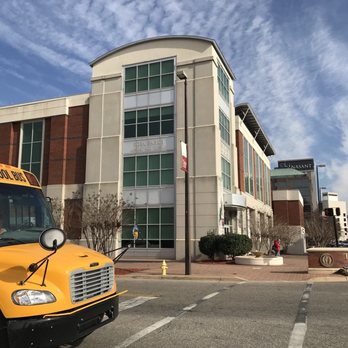
It was a good visit. It's a museum that is affiliated with Troy University. It's located at their downtown campus, and was built on the site where Rosa Parks was arrested for refusing to give up her seat to a white man. The updated reenactment is awesome along with the other displays. The gift shop is awesome also. Had a blast.
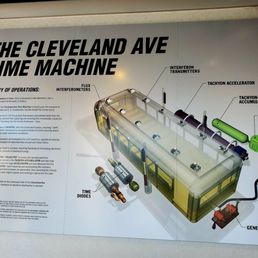

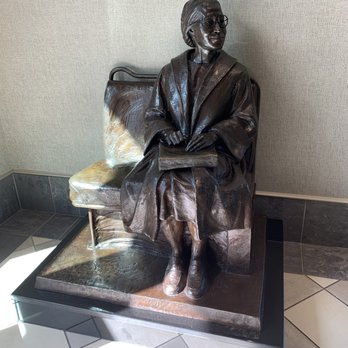
It was a good visit. It's a museum that is affiliated with Troy University. It's located at their downtown campus, and was built on the site where Rosa Parks was arrested for refusing to give up her seat to a white man on the Cleveland Avenue bus. The museum is a great memorial to the "Mother of the Civil Rights Movement" as it continues to educate its visitors about the Montgomery Bus Boycott with historical artifacts and visual displays that make you feel as if you're actually witnessing history. As you enter the main building, you'll see the sculpture of Rosa Parks on the bus bench by Erik Blome. This is also where you pay for admission to both parts of the museum. You can visit just one, but it's recommended to see both. They all start at certain time intervals, so be aware of that. You start your self-guided tour at the Children's Wing where you enter the Cleveland Avenue Time Machine. It looks like the bus that Rosa Parks was riding on the day she was arrested, only it has a robot operator. It's basically a fun trip back in time that uses special effects and movie screens to show you the events starting with the onset of enforced racial segregation in the 1800s. You'll also learn about Dred Scott, Homer Plessy, Harriett Tubman, and Henry "Box" Brown. It starts when you enter the bus at the appropriate time. We were the only ones there on a weekday. There wasn't a whole lot of guidance in this building. I didn't even know there was a second floor, so I missed that part. We then went back to the main building for another timed exhibit. You enter a room and watch documentary footage of the Montgomery Bus Boycott and Rosa Parks' arrest, as well as hear from some of the people behind the boycott using multi screens. The doors open up after the presentation, and you walk into a separate room that has a 1950's era bus similar to the Cleveland Avenue bus. The actual bus is at the Henry Ford Museum in Dearborn (near Detroit). What's cool is that you are witnessing the entire event (or reenactment of the bus ride) through special effects. This was the highlight of the visit. Another door opens up so that you can enter the main exhibit area. This is where you'll see historical artifacts such as the arrest records, court documents, and police reports. You'll also see exhibits of the backlash that African Americans faced during and after the boycott as white business owners retaliated. It's brutal. You'll definitely walk away with a better understanding of life in Montgomery during that time period, and the courage that brought about the positive changes that we continue to see each and every day. But, it doesn't stop there. You'll also see artwork exhibited in the museum. The most recent one is from Alana Enfinity. It's a beautiful exhibit that is very expressive and colorful. It's a must see when visiting Montgomery. It's a unique experience that shouldn't be missed. I just wish there were more people there on a weekday. I think I saw one other couple the entire time I was there. I'll leave you with one other very important piece of information. There are limited free parking lots nearby. There's a parking lot on Molton Street near the School of Nursing. Don't feed the meters.


This place is amazing. The staff are nice. You can choose to do one museum or you can choose two where you start on the children's side of the museum and get on a simulated bus ride and get additional information about African American history before Rosa Parks! I enjoyed this whole experience and I highly recommend this place to anyone. There's also a Rosa Parks statue around the corner near the fountain you should check out


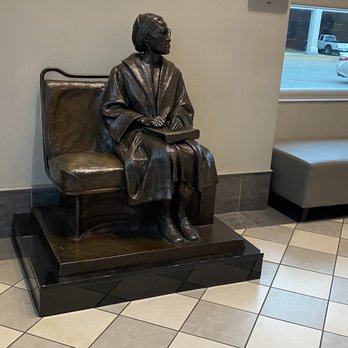
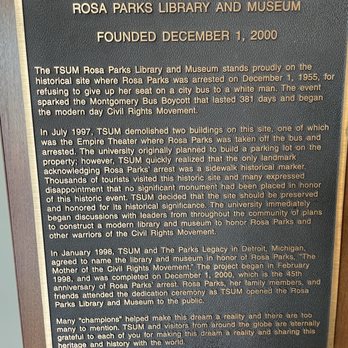
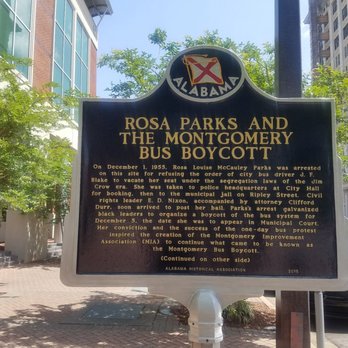
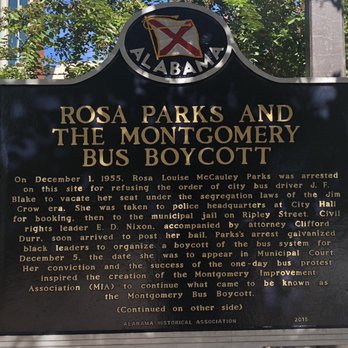
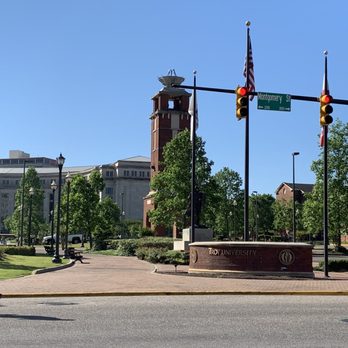
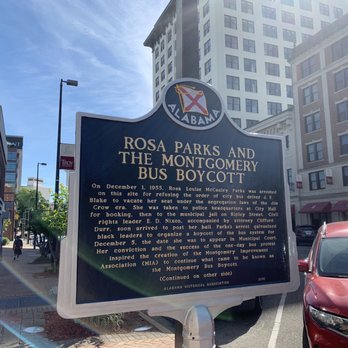
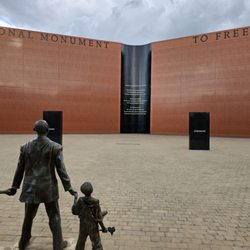
This is a must see. Everything in this museum is fantastic. So much to see, to listen to and to read. The museum is located across from the Troy campus. They have metered street parking right out front and within a reasonable walking distance. The site of the museum is significant because it is where Rosa Parks was arrested on a bus for not giving up her seat. It has a historical marker out front marking the location. It has a neat sculpture outside that can only be viewed directly, any other angles and you are looking at some posts in the group. There is also a very nice sculpture of Ms. Parks sitting alone in her seat on the bus. It makes for great photos. The museum is small and offers self guided tours. There are no pictures allowed in the main exhibit area. The tour begins in a small room with benches around it. You watch a movie about segregation in Montgomery, the bus system and the boycott. Once the movie is over, some doors open and leads you to the next area. The next area is a pretty neat reenactment of Rosa Parks being arrested on the bus. You view the action as if you are viewing it from outside of the bus. You are the pedestrian. It is very nice and really makes you feel like you are in the action. After the reenactment on the bus, some doors open up to a gallery that has exhibits, videos, artifacts, and pictures. You move at your own pace from this spot until the end of the tour. You will see a replica carpool vehicle over there, you will also hear stories told by people that were there during that time via videos and you will see a display of leaders riding the bus after the boycott ended. They give you the option of using your phone for an audio tour in a few sections of the museum. It provides you some information about what you are looking at. I did not use it because it seemed like more effort than what it was worth to me. Some type of push button audio kiosk would be perfect in its place. Anyway, as i mentioned, the exhibit area is not a very big area. We went through it in about 15 minutes.. The entire tour took us about 30 minutes. Even though thee is not a lot to it, it was still a nice visit and I learned a bit. It does a good job making you feel as if you are back during that time. No museum would be complete without a gift shop, this one is no exception. They have a small gift shop where you not only purchase you museum admission, but you can buy souvenirs like shirts or bags. This exhibit was so educational. You felt as if you were a part of it. I love that it is located on the historical site where the bus incident occurred. It is small, but still makes a great impact. It' is definitely worth a visit if you are in downtown Montgomery. I would recommend checking out some of the other nearby museums, like the Legacy Museum and Civil Rights Center to maximize your trip. Please make sure you see the Rosa Parks statue not that far away.


A must see! There is a lot of reading in the main museum so not very kid friendly but they do have a children's wing that would be more appropriate. The employees/volunteers were all so friendly. No pictures or videos allowed in the museum. It was an emotional and thought provoking impression to see the video re-enactment of the day the brave Rosa Parks finally took a stand. I think everyone should experience the reminder of this historic moment!
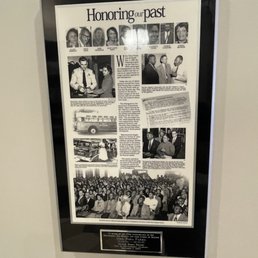

This Museum is located across from the Troy campus. It is co-located with a library that is only accesible to Troy students. They have metered street parking right out front and within a reasonable walking distance. The site of the museum is significant because it is where Rosa Parks was arrested on a bus for not giving up her seat. It has a historical marker out front marking the location. It has a neat sculpture outside that can only be viewed directly, any other angles and you are looking at some posts in the group. There is also a very nice sculpture of Ms. Parks sitting alone in her seat on the bus. It makes for great photos. The museum is small and offers self guided tours. There are no pictures allowed in the main exhibit area. The tour begins in a small room with benches around it. You watch a movie about segregation in Montgomery, the bus system and the boycott. Once the movie is over, some doors open and leads you to the next area. The next area is a pretty neat reenactment of Rosa Parks being arrested on the bus. You view the action as if you are viewing it from outside of the bus. It is very nice and really makes you feel like you are in the action. After the reenactment on the bus, some doors open up to a gallery that has exhibits, videos, artifacts, and pictures. You move at your own pace from this spot until the end of the tour. You will see a replica carpool vehicle over there, you will also hear stories told by people that were there during that time via videos and you will see a display of leaders riding the bus after the boycott ended. They give you the option of using your phone for an audio tour in a few sections of the museum. It provides you some information about what you are looking at. I did not use it because it seemed like more effort than what it was worth to me. Some type of push button audio kiosk would be perfect in its place. Anyway, as i mentioned, the exhibit area is not a very big area. We went through it in about 15 minutes.. The entire tour took us about 30 minutes. Even though thee is not a lot to it, it was still a nice visit and I learned a bit. It does a good job making you feel as if you are back during that time. No museum would be complete without a gift shop, this one is no exception. They have a small gift shop where you not only purchase you museum admission, but you can buy souvenirs like shirts or bags. All-in-all this a decent museum. I love that it is located on the historical site where the bus incident occurred. It is small, but still makes a great impact. It' is definitely worth a visit if you are in downtown Montgomery. I would recommend checking out some of the other nearby museums, like the Legacy Museum and Civil Rights Center to maximize your trip.


Such a historical figure... This museum is a very fun museum. Your visit starts with a brief video, only to be followed by an interactive exhibit. It is one of the coolest things I remember at a museum. It really charges you emotionally and creates an interest. After the initial exposition, you follow into another room where you free flow and explore at will. If you are not familiar at all with the Civil Rights movement, well, there are lots of reading to do on these displays. This is one of the better exhibits I have been to, and I truly think they should make it a traveling exhibit.


Meet Mr. Rivets, the robotic operator of a time machine bus that looks very similar to the buses used by the City of Montgomery during the bus boycott of 1955-56. __V__ | ~ ~ | | o o | Hi!!! { [---] } |______| You will find him in the Children's Annex of the Rosa Parks museum which features a historic time-jump to different dates using large screens on either side of the time machine and prerecorded narrating. On the second floor is a photo timeline of Civil Rights events and informational columns highlighting the important faces of the movement and their story. Back in the main building is a gift shop, exhibition art hall and a self guided tour highlighting the famous story of Rosa Louise McCauley Parks and her defiance to give up her seat on that faithful day. What I never knew about the history of this event was that it wasn't altogether random. Rosa Parks planned to do this with the help of other civil rights leaders so they could use it as a launching point for a federal case against the unconstitutional segregation laws in Alabama. It was only an idea, but Rosa fulfilled it when she found the opportunity, because it couldn't be staged. That takes nothing away from Rosa Parks. The danger of such defiance was deadly real, as witnessed by the Freedom Riders in the same era. Oddly, the case was not brought to court using Rosa. Instead they used the first person to actually defy the bus laws, young Claudette Colvin, whom was 15 and pregnant at the age of her arrest. Her arrest happened on March 2nd, 1955, a full 9 months before Rosa's arrest on December 1, 1955. The story is told using a full sized model of a Montgomery bus as you stand outside of the bus looking through the windows (which utilize TV screens). The bus is set in a room that looks like a small movie set with buildings, a faux street and streetlights. Here is a link to a Youtube video of this exhibit: https://www.youtube.com/watch?v=h82ajl69iy0 OVERALL it is a great experience, especially when coupled with the other Civil Rights museums in the downtown area. Not far away from the RP Library the City of Montgomery is working to construct a park and monument @ the site of the famous bus stop where Rosa boarded. Not sure when it will be ready as digging was underway during our May 2019 visit. The Library is actually the location of the arrest. Both the Time Machine exhibit in the Children's Annex and the Bus Arrest exhibit in the main building are must see's when visiting Montgomery Alabama and the Freedom Trail. Come see the quiet unspoken life's work of a Civil Rights pioneer. 2019/82


Always nice to know your history. If it had not been for her not giving up her seat on the bus no telling where we would be


The coolest thing is that this is on site of where Rosa parks bus stop was! In the museum I loved that we could watch the situation as a pedestrian looking into the bus. I love museum that's make things as real as possible! We really learned a lot here!


Well, 2 out of 2 exhibits were 'out of order' and so I didn't get to see the museum like normal. But still. I guess the bus time machine would be cool for grade school kiddos. I mean, the video was informative and all but the shaky bus was just a goofy distraction for me as an adult. And since the Rosa Parks hologram wasn't working I cannot comment on the most critical piece of the museum: The actual part about Rosa and the boycott. Oh well. On the other side, the room opened up but they had to turn the lights on in order to see the graphics and pictures. I basically just walked through and read the placards. Towards the back, when you walk through the larger exhibit pieces and follow the boycott timeline that's where it gets cool. They did a good job with the last section of your visit. Customer service was great at the front desk. But in the gift shop where you buy your tickets I felt like the lady was irritated that I bothered her with a question.


The introduction is excellent. The initial film to the actual bus and the interactive film of her arrest is a treat to watch. Its $7.50 for this half of history. The artwork and artifacts are excellent. There was free parking in the lot opposite corner of the museum. Although the metered parking was plentiful and cheap. Coins only though. The museum took about an hour at a leisurely pace.


"This is so creepy. Hurry up" is the text that I got from my friend while making a slight detour and hitting the restroom instead of walking into the "time machine" immediately after paying $28 for two adults do to both the Children's Time Machine piece as well as the museum. When I walked through the doors, I saw what he was talking about. Inside a big room sat an over-sized replica of a bus surrounded by used computer parts and lights that were intended to make the place look like you were traveling back in time. I don't know if I would have called it creepy - but with him being the only person in the room, I can see why he wanted me to hurry up and get there so they could start. That's right.. it was just the two of us along for the trip through time. The feature started and Mr. Rivetts, our "bus driver" (which looked like the robot from the movie Short Circuit) took us on a trip through time starting in Cincinnati meeting a young boy named Jim Crow and ended up in the 1950's after being introduced to Mrs Parks. While definitely geared towards children, it was worthwhile to go through. There were TV's throughout the entire room and the walls became projection screens, so even if the room was packed with students on a field trip, everyone would be able to see. After going through the Children's part, our admission also got us into the 1955 and beyond part of the exhibit. A much smaller room was waiting on us with very few seats, but we sat down and watched interviews on three projectors and learned more about Rosa Parks specifically. After about 15 minutes of watching this, the automatic doors opened and we were outside on a street corner in 1955 watching and listening on the city bus when Rosa Parks refused to give up her seat. The rest of the tour was a self-guided walking tour of the bus boycott, church meetings, police reports and historic memorabilia. As I walked through the museum, I thought to myself many times "I can't believe this happened only 50 years ago!" Learning about this in the history books is one thing.. walking the streets of Montgomery and seeing it unfold on a likelike tour is something completely different. I'll always remember this trip and be thankful that I was able to do it.


2 months ago
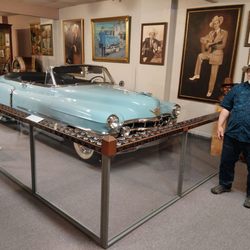
We visited Troy University's Rosa Parks Museum in Montgomery, AL on Jan 7, 2026 as part of Road Scholar's "The Civil Rights Movement - Atlanta, Montgomery, Selma, Birmingham" program. As the name indicates, this museum is entirely about the titular civil rights icon. Tickets were covered by our program. We spent less than an hour here, in part because we got two other sites to visit in our day's itinerary. Our tour guide informed us that photography was not allowed inside the exhibition rooms. (Judging by the content on this business listing, that didn't stop other visitors from taking photos.) In the first room, we saw a short film that summarizes the segregation in Montgomery prior to Parks' historic act. After that, we went another room and were standing in front of a bus modeled after the one that Parks boarded and refused to give up her seat. The bus's windows serves as screens for another short film that re-enacted the historic moment. The dialogue is boosted by surround sound all over the room so that visitors could feel what it was like at that moment. After that, we went into the third and final room of exhibits showing what happened after Parks' arrest and its impact on the Civil Rights Movement. I recalled life-size figures, a model of a 1950s car and dimmed lighting. (Many thanks to Lulu Wang and her article "Rosa Parks Museum: Take You Back to 1955, Montgomery, AL" in medium.com for helping with my recollections.) The museum is clearly focused on Rosa Parks the civil rights icon, but not Rosa Parks the person, family member and human being. To my recollection, there was little mention about her life before and after the bus boycott (and the larger Civil Rights Movement). Nor was there a mention of the asteroid named after her: 284996 Rosaparks. I learnt about that from a "Doctor Who" episode (series 11, episode 3, titled "Rosa"). I don't recall if the exhibits mention of Parks' prior encounter with the bus driver James Blake 12 years earlier. After paying her fare at the front entrance, she tried to enter through the back entrance. But Blake drove off without her. Some accounts claimed that she refused to board. It'd be nice to know what's the museum's take on that incident. Of the three Montgomery mini-sites about the Civil Rights movement - the other two being the Civil Rights Memorial Center and the Freedom Rides Museum - the Rosa Parks museum is the smallest in space and content, and the only one that does not allow photography. I was the least happy with it. It's certainly worth the visit if done in conjunction with the Civil Rights Memorial Center and the Freedom Rides Museum, both of which are within walking distance. In addition to that, go see the Rosa Parks statue at the Rosa Parks Bus Stop on Court Square, which is also within walking distance. read more



5 months ago
This is the best museum we have seen on our civil rights tour so far. Lots of movie clips integrated with the exhibits so sitting alternates with standing and listening and watching alternates with reading. Take the Time machine ride in the children's wing first if you possibly can. And watch for references to all the women leading the movement that we often don't hear about. read more


2 years ago
The absolute one thing I wanted to do when I found out I was going to be in the Montgomery region was to come to this museum. My heart broke when I was online looking at the surrounding areas and saw that this was (at that time) temporarily closed. Due to updating of exhibits with new technology. I was a bit down because of this because I have been obsessed with Rosa Parks since high school. I was just going to let it slide until I did a bit more researching while in the city. I went to their website and noticed that they were reopening on MLK Day...the day I was to leave to head back home. I started to hatch a plan to allow me to visit, I couldn't pass it up. With them opening up on MLK Day they were doing a special where you got half off admissions. Not that bad of a deal. There are two portions to this museum, the main exhibit and a children's portion of it. Both cost $7 and when I found out I was going to pay just $7 for both that day, I thought why not. But I will touch on this a bit later. DISCLAIMER: Don't be like me and take pictures, it is not allowed. Let me explain. When I came here I was in a rush, when I came inside I was asked if I was here for the museum or if I was here to use the restroom. They were allowing people gathering for the MLK Day parade outside use the restroom. I said that I was here for the museum. The guy working the host stand hurried me into the museum as a group just went in. Rushing me in since the start of the museum was a video presentation. With that, he did the honor system with me (yet again), told me to pay and opened the door and let me inside. With all the hurry of getting inside, I wasn't given time to read anything of the rules or be given a rundown or the rules. More on this a bit later in the review. Once you enter you are greeted by a replica of the Montgomery City Bus that Rosa Parks stood her ground on. The bus is equipped with video screens that fill in for the windows. This portion of the museum is totally immersive, as you watch the interaction taking place on the bus, hearing the overhead voice to fill in the gaps, watching the actors portraying the events, lights guiding your eyes to parts in the room to keep you in the moment (portions outside of the bus). Also, you will notice that you are on what is supposed to be a street. The street that this historic event takes place, once you figure this out you will notice you are technically standing in front of the theater, near a payphone. But you are immersed into it all that you don't realize it until the lights come up and guide you to the rest of the museum. Once out of this you then go through each and every moment that followed Ms. Parks action. Including MLK's entrance into the movement, the use of personal cars to help people get to work when boycotting the bus (and the targeting of the those given rides), The eventual end of the boycott, the continued progression of the Civil Rights Movement, and so on. All the while educating you. I wish I could have met Ms. Parks in person, this museum brought more information to light for me about her. This should be called a memorial on top of a museum and library. To touch base on the admission. The other portion of this is a children's based interaction and could be skipped by adults in you do not want to take this in. It is an interactive 'ride.' You enter the 'bus' and are driven through history. It is made to be an educational tool to teach children about segregation. The bus is meant to be a time machine that mashes up history a bit by having historical figures 'meet' and educate those on the ride. The bus does move and vibrate and there are flashing lights, it is interesting to experience, but not a must. read more


2 years ago
It was a good visit. It's a museum that is affiliated with Troy University. It's located at their downtown campus, and was built on the site where Rosa Parks was arrested for refusing to give up her seat to a white man. The updated reenactment is awesome along with the other displays. The gift shop is awesome also. Had a blast. read more

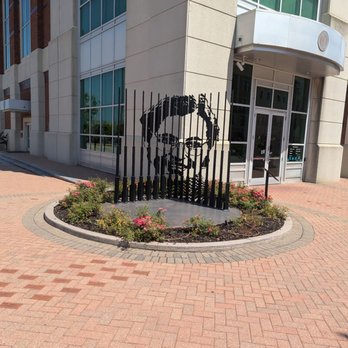


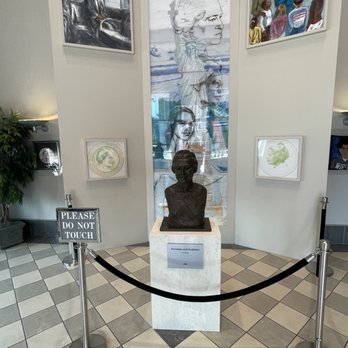
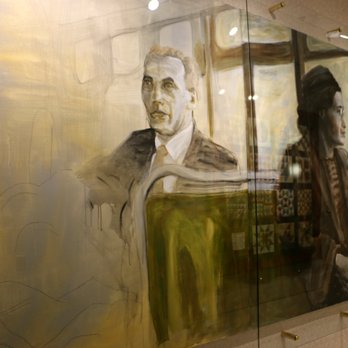
It was a good visit. It's a museum that is affiliated with Troy University. It's located at their downtown campus, and was built on the site where Rosa Parks was arrested for refusing to give up her seat to a white man on the Cleveland Avenue bus. The museum is a great memorial to the "Mother of the Civil Rights Movement" as it continues to educate its visitors about the Montgomery Bus Boycott with historical artifacts and visual displays that make you feel as if you're actually witnessing history. As you enter the main building, you'll see the sculpture of Rosa Parks on the bus bench by Erik Blome. This is also where you pay for admission to both parts of the museum. You can visit just one, but it's recommended to see both. They all start at certain time intervals, so be aware of that. You start your self-guided tour at the Children's Wing where you enter the Cleveland Avenue Time Machine. It looks like the bus that Rosa Parks was riding on the day she was arrested, only it has a robot operator. It's basically a fun trip back in time that uses special effects and movie screens to show you the events starting with the onset of enforced racial segregation in the 1800s. You'll also learn about Dred Scott, Homer Plessy, Harriett Tubman, and Henry "Box" Brown. It starts when you enter the bus at the appropriate time. We were the only ones there on a weekday. There wasn't a whole lot of guidance in this building. I didn't even know there was a second floor, so I missed that part. We then went back to the main building for another timed exhibit. You enter a room and watch documentary footage of the Montgomery Bus Boycott and Rosa Parks' arrest, as well as hear from some of the people behind the boycott using multi screens. The doors open up after the presentation, and you walk into a separate room that has a 1950's era bus similar to the Cleveland Avenue bus. The actual bus is at the Henry Ford Museum in Dearborn (near Detroit). What's cool is that you are witnessing the entire event (or reenactment of the bus ride) through special effects. This was the highlight of the visit. Another door opens up so that you can enter the main exhibit area. This is where you'll see historical artifacts such as the arrest records, court documents, and police reports. You'll also see exhibits of the backlash that African Americans faced during and after the boycott as white business owners retaliated. It's brutal. You'll definitely walk away with a better understanding of life in Montgomery during that time period, and the courage that brought about the positive changes that we continue to see each and every day. But, it doesn't stop there. You'll also see artwork exhibited in the museum. The most recent one is from Alana Enfinity. It's a beautiful exhibit that is very expressive and colorful. It's a must see when visiting Montgomery. It's a unique experience that shouldn't be missed. I just wish there were more people there on a weekday. I think I saw one other couple the entire time I was there. I'll leave you with one other very important piece of information. There are limited free parking lots nearby. There's a parking lot on Molton Street near the School of Nursing. Don't feed the meters. read more
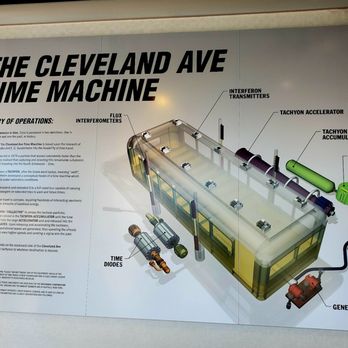
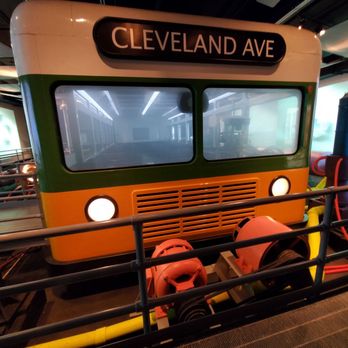
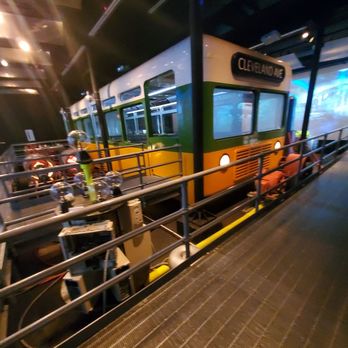


This place is amazing. The staff are nice. You can choose to do one museum or you can choose two where you start on the children's side of the museum and get on a simulated bus ride and get additional information about African American history before Rosa Parks! I enjoyed this whole experience and I highly recommend this place to anyone. There's also a Rosa Parks statue around the corner near the fountain you should check out read more

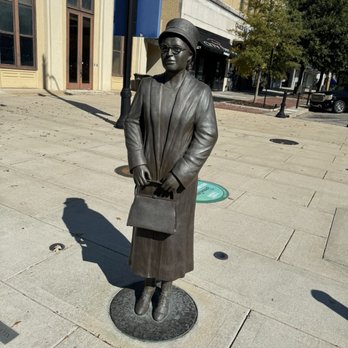

This is a must see. Everything in this museum is fantastic. So much to see, to listen to and to read. The museum is located across from the Troy campus. They have metered street parking right out front and within a reasonable walking distance. The site of the museum is significant because it is where Rosa Parks was arrested on a bus for not giving up her seat. It has a historical marker out front marking the location. It has a neat sculpture outside that can only be viewed directly, any other angles and you are looking at some posts in the group. There is also a very nice sculpture of Ms. Parks sitting alone in her seat on the bus. It makes for great photos. The museum is small and offers self guided tours. There are no pictures allowed in the main exhibit area. The tour begins in a small room with benches around it. You watch a movie about segregation in Montgomery, the bus system and the boycott. Once the movie is over, some doors open and leads you to the next area. The next area is a pretty neat reenactment of Rosa Parks being arrested on the bus. You view the action as if you are viewing it from outside of the bus. You are the pedestrian. It is very nice and really makes you feel like you are in the action. After the reenactment on the bus, some doors open up to a gallery that has exhibits, videos, artifacts, and pictures. You move at your own pace from this spot until the end of the tour. You will see a replica carpool vehicle over there, you will also hear stories told by people that were there during that time via videos and you will see a display of leaders riding the bus after the boycott ended. They give you the option of using your phone for an audio tour in a few sections of the museum. It provides you some information about what you are looking at. I did not use it because it seemed like more effort than what it was worth to me. Some type of push button audio kiosk would be perfect in its place. Anyway, as i mentioned, the exhibit area is not a very big area. We went through it in about 15 minutes.. The entire tour took us about 30 minutes. Even though thee is not a lot to it, it was still a nice visit and I learned a bit. It does a good job making you feel as if you are back during that time. No museum would be complete without a gift shop, this one is no exception. They have a small gift shop where you not only purchase you museum admission, but you can buy souvenirs like shirts or bags. This exhibit was so educational. You felt as if you were a part of it. I love that it is located on the historical site where the bus incident occurred. It is small, but still makes a great impact. It' is definitely worth a visit if you are in downtown Montgomery. I would recommend checking out some of the other nearby museums, like the Legacy Museum and Civil Rights Center to maximize your trip. Please make sure you see the Rosa Parks statue not that far away. read more




A must see! There is a lot of reading in the main museum so not very kid friendly but they do have a children's wing that would be more appropriate. The employees/volunteers were all so friendly. No pictures or videos allowed in the museum. It was an emotional and thought provoking impression to see the video re-enactment of the day the brave Rosa Parks finally took a stand. I think everyone should experience the reminder of this historic moment! read more


2 years ago

This Museum is located across from the Troy campus. It is co-located with a library that is only accesible to Troy students. They have metered street parking right out front and within a reasonable walking distance. The site of the museum is significant because it is where Rosa Parks was arrested on a bus for not giving up her seat. It has a historical marker out front marking the location. It has a neat sculpture outside that can only be viewed directly, any other angles and you are looking at some posts in the group. There is also a very nice sculpture of Ms. Parks sitting alone in her seat on the bus. It makes for great photos. The museum is small and offers self guided tours. There are no pictures allowed in the main exhibit area. The tour begins in a small room with benches around it. You watch a movie about segregation in Montgomery, the bus system and the boycott. Once the movie is over, some doors open and leads you to the next area. The next area is a pretty neat reenactment of Rosa Parks being arrested on the bus. You view the action as if you are viewing it from outside of the bus. It is very nice and really makes you feel like you are in the action. After the reenactment on the bus, some doors open up to a gallery that has exhibits, videos, artifacts, and pictures. You move at your own pace from this spot until the end of the tour. You will see a replica carpool vehicle over there, you will also hear stories told by people that were there during that time via videos and you will see a display of leaders riding the bus after the boycott ended. They give you the option of using your phone for an audio tour in a few sections of the museum. It provides you some information about what you are looking at. I did not use it because it seemed like more effort than what it was worth to me. Some type of push button audio kiosk would be perfect in its place. Anyway, as i mentioned, the exhibit area is not a very big area. We went through it in about 15 minutes.. The entire tour took us about 30 minutes. Even though thee is not a lot to it, it was still a nice visit and I learned a bit. It does a good job making you feel as if you are back during that time. No museum would be complete without a gift shop, this one is no exception. They have a small gift shop where you not only purchase you museum admission, but you can buy souvenirs like shirts or bags. All-in-all this a decent museum. I love that it is located on the historical site where the bus incident occurred. It is small, but still makes a great impact. It' is definitely worth a visit if you are in downtown Montgomery. I would recommend checking out some of the other nearby museums, like the Legacy Museum and Civil Rights Center to maximize your trip. read more




2 years ago

Such a historical figure... This museum is a very fun museum. Your visit starts with a brief video, only to be followed by an interactive exhibit. It is one of the coolest things I remember at a museum. It really charges you emotionally and creates an interest. After the initial exposition, you follow into another room where you free flow and explore at will. If you are not familiar at all with the Civil Rights movement, well, there are lots of reading to do on these displays. This is one of the better exhibits I have been to, and I truly think they should make it a traveling exhibit. read more



7 years ago
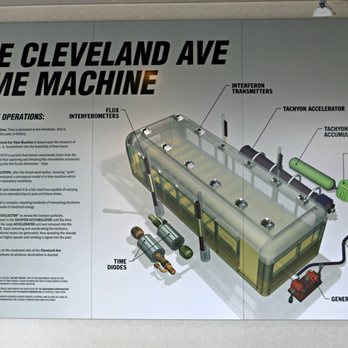
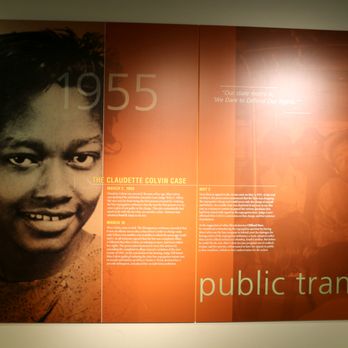
Meet Mr. Rivets, the robotic operator of a time machine bus that looks very similar to the buses used by the City of Montgomery during the bus boycott of 1955-56. __V__ | ~ ~ | | o o | Hi!!! { [---] } |______| You will find him in the Children's Annex of the Rosa Parks museum which features a historic time-jump to different dates using large screens on either side of the time machine and prerecorded narrating. On the second floor is a photo timeline of Civil Rights events and informational columns highlighting the important faces of the movement and their story. Back in the main building is a gift shop, exhibition art hall and a self guided tour highlighting the famous story of Rosa Louise McCauley Parks and her defiance to give up her seat on that faithful day. What I never knew about the history of this event was that it wasn't altogether random. Rosa Parks planned to do this with the help of other civil rights leaders so they could use it as a launching point for a federal case against the unconstitutional segregation laws in Alabama. It was only an idea, but Rosa fulfilled it when she found the opportunity, because it couldn't be staged. That takes nothing away from Rosa Parks. The danger of such defiance was deadly real, as witnessed by the Freedom Riders in the same era. Oddly, the case was not brought to court using Rosa. Instead they used the first person to actually defy the bus laws, young Claudette Colvin, whom was 15 and pregnant at the age of her arrest. Her arrest happened on March 2nd, 1955, a full 9 months before Rosa's arrest on December 1, 1955. The story is told using a full sized model of a Montgomery bus as you stand outside of the bus looking through the windows (which utilize TV screens). The bus is set in a room that looks like a small movie set with buildings, a faux street and streetlights. Here is a link to a Youtube video of this exhibit: https://www.youtube.com/watch?v=h82ajl69iy0 OVERALL it is a great experience, especially when coupled with the other Civil Rights museums in the downtown area. Not far away from the RP Library the City of Montgomery is working to construct a park and monument @ the site of the famous bus stop where Rosa boarded. Not sure when it will be ready as digging was underway during our May 2019 visit. The Library is actually the location of the arrest. Both the Time Machine exhibit in the Children's Annex and the Bus Arrest exhibit in the main building are must see's when visiting Montgomery Alabama and the Freedom Trail. Come see the quiet unspoken life's work of a Civil Rights pioneer. 2019/82 read more







4 years ago
Always nice to know your history. If it had not been for her not giving up her seat on the bus no telling where we would be read more


4 years ago
The coolest thing is that this is on site of where Rosa parks bus stop was! In the museum I loved that we could watch the situation as a pedestrian looking into the bus. I love museum that's make things as real as possible! We really learned a lot here! read more


10 years ago
Well, 2 out of 2 exhibits were 'out of order' and so I didn't get to see the museum like normal. But still. I guess the bus time machine would be cool for grade school kiddos. I mean, the video was informative and all but the shaky bus was just a goofy distraction for me as an adult. And since the Rosa Parks hologram wasn't working I cannot comment on the most critical piece of the museum: The actual part about Rosa and the boycott. Oh well. On the other side, the room opened up but they had to turn the lights on in order to see the graphics and pictures. I basically just walked through and read the placards. Towards the back, when you walk through the larger exhibit pieces and follow the boycott timeline that's where it gets cool. They did a good job with the last section of your visit. Customer service was great at the front desk. But in the gift shop where you buy your tickets I felt like the lady was irritated that I bothered her with a question. read more


8 years ago
The introduction is excellent. The initial film to the actual bus and the interactive film of her arrest is a treat to watch. Its $7.50 for this half of history. The artwork and artifacts are excellent. There was free parking in the lot opposite corner of the museum. Although the metered parking was plentiful and cheap. Coins only though. The museum took about an hour at a leisurely pace. read more



"This is so creepy. Hurry up" is the text that I got from my friend while making a slight detour and hitting the restroom instead of walking into the "time machine" immediately after paying $28 for two adults do to both the Children's Time Machine piece as well as the museum. When I walked through the doors, I saw what he was talking about. Inside a big room sat an over-sized replica of a bus surrounded by used computer parts and lights that were intended to make the place look like you were traveling back in time. I don't know if I would have called it creepy - but with him being the only person in the room, I can see why he wanted me to hurry up and get there so they could start. That's right.. it was just the two of us along for the trip through time. The feature started and Mr. Rivetts, our "bus driver" (which looked like the robot from the movie Short Circuit) took us on a trip through time starting in Cincinnati meeting a young boy named Jim Crow and ended up in the 1950's after being introduced to Mrs Parks. While definitely geared towards children, it was worthwhile to go through. There were TV's throughout the entire room and the walls became projection screens, so even if the room was packed with students on a field trip, everyone would be able to see. After going through the Children's part, our admission also got us into the 1955 and beyond part of the exhibit. A much smaller room was waiting on us with very few seats, but we sat down and watched interviews on three projectors and learned more about Rosa Parks specifically. After about 15 minutes of watching this, the automatic doors opened and we were outside on a street corner in 1955 watching and listening on the city bus when Rosa Parks refused to give up her seat. The rest of the tour was a self-guided walking tour of the bus boycott, church meetings, police reports and historic memorabilia. As I walked through the museum, I thought to myself many times "I can't believe this happened only 50 years ago!" Learning about this in the history books is one thing.. walking the streets of Montgomery and seeing it unfold on a likelike tour is something completely different. I'll always remember this trip and be thankful that I was able to do it. read more


As an educator I jump at the chance to learn about historical events so while in town visiting family I knew I had to stop at the museum. My first impression was that the staff was not very warm or welcoming. The tone of the 4 people that I encountered was not very helpful or patient. Once we got our tickets we went to the Children's Museum which consisted of a big noisy "bus ride" that played a video that took the rider through history up until the Rosa Parks incident. I found this part very overwhelming even as an adult. Back at the museum we watched another short film and then went into a room to watch a video reenactment of the night Rosa Parks was arrested. The museum has other paintings, photos, memorabilia, and artifacts that take you through the civil rights movement. I would say this is a "must do" while in town. read more


This museum exactly located next to the bus stop that Rosa Parks got arrested. It is famous spot in the history for bus segregation civil right act. The area is well build now and beautified. Since Troy University bought the entire properties around that area, the university has built a Museum Library in memory of Rosa Parks. The museum also is the place where Rosa Parks got arrested when she refuse to give up the seat for the white passenger by the order of the bus driver. The bus driver calls the police to arrest her and charged her with violation of Chapter 6, section 11 of Montgomery city code. On the evening of her arrest, the area civil activists organize the boycott of Montgomery's city buses. The people are encouraged to stay home or school, take the cab or walk to work. The boycott continues for almost a year and the bus company lost more than $1 million on fare during the boycott. It is large amount of money during 1955. We were honor to visit the place where all things begin. The museum has two different tours with early or after the bus incident. It is worth for a trip to learn the history. read more


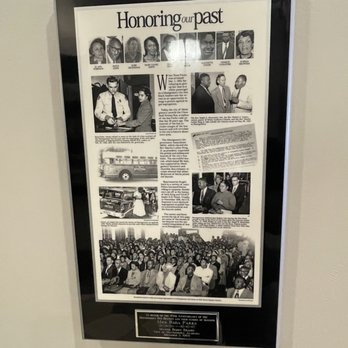
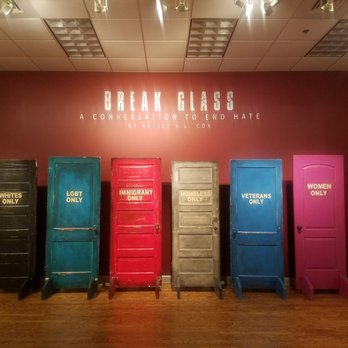
Great little museum on the site where Rosa parks was arrested for refusing to give her seat up to a white man on a city bus in 1955. There's a short video about segregation in busing in Montgomery and then a short video which depicts the way the arrest occurred. And then there are a couple of small rooms containing artifacts relating to her arrest and the subsequent successful Montgomery Bus Boycott, including the original fingerprint arrest record of Mrs. Park as well as other court documents and police records. (There is also a small gallery which, when I visited in April 2018, had some very powerful art by V. L. Cox.) The museum is a little on the small side, but well worth a visit if you want to learn more about Rosa Parks and the Montgomery Bus Boycott in the place where that history occurred! read more



8 years ago
Beautiful museum that honors a civil rights pioneer. The staff is amazing. I didn't have a lot of time but they have a gallery, in case you don't have time for the museum. There are two parts to the museum so you should leave about two hours. When I return I will probably take the time to really take it in. I didn't count on there being so much to see in Montgomery. read more
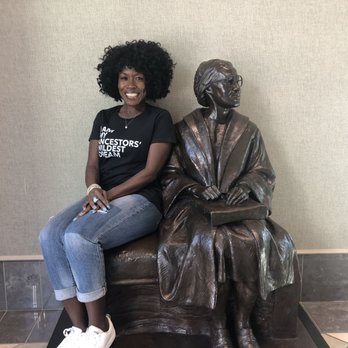


8 years ago
Had a wonderful visit to the Rosa Parks Museum. I didn't realize that the children's wing and main museum were two separate things. This is probably why the first time we tried going, we thought it was closed but it said it was open. But it's because we were at the children's wing entrance. So be mindful of that. Just walk up the sidewalk and the Museum and Library entrance are right there. Decided to take my 7yr old, because it was the day of the midterm elections and she's doing a report on Rosa Parks for school. She said it Mae her feel a little creeped out. I asked her "why?", because we had also gone to the EJI's Lynching Memorial and she didn't find that disturbing at all. Apparently for her the photos and videos at the Museum make it more real for her. But she did retain a lot of the information about Rosa and the boycott. I'm going to ask if her school will take the kids to the children's wing next year. The staff is friendly and very helpful. Enjoyed ourselves read more
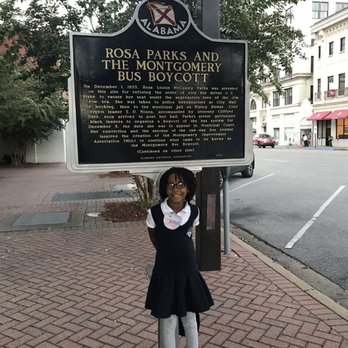


6 years ago
Another great museum to visit while you're in Montgomery. I decided to take my family, luckily it wasn't packed during that time, which gave us the freedom to take our time to reflect while reading and listening to the host. They do not allow you to sit on the bus, however just to be there was an experience. read more


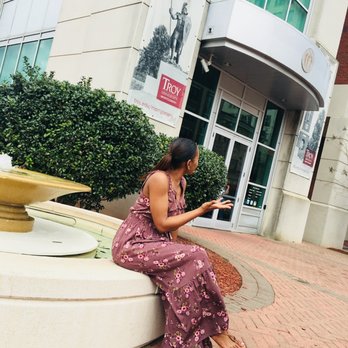


Troy University oversees the Rosa Parks Library and Museum. After a trip to the Civil Rights Museum, we stopped by here. Without a doubt, the Rosa Parks tour features the most interactive and engaging setup that I have ever seen. After passing the ticket gate, visitors are invited to watch an opening video on a three-panel television display mounted high above. Given that we were a large group, seating was insufficient, but we didn't seem to take issue with plopping down on the floor. In retrospect, it gave the video a drive-in sort of feel. The next stop was an audiovisual tour of the Montgomery bus boycott. A facsimile of the bus appeared against a wall. Audio recordings simulated Ms. Park's refusal to vacate her seat; though Rosa's voice actor's speech was a bit slow, I appreciated the accompanying voices' authenticity until the moment of her arrest. This part of the museum was very dark, so I would urge visitors to be careful navigating this space. The doors opened to reveal a walking exhibit of the planning and aftermath of the bus boycott. The guide continued to walk among the exhibits and ushered us through them. When we got to the end of the walk, double doors featured an audio recording of a MLK sermon; at its end, visitors were invited to walk through them, simulating a church revival service. The tour ended shortly thereafter. I think the only thing I have to recommend is being told what else is in this building. I suppose it worked out well since we had additional stops planned. Nevertheless, I urge visitors to view other exhibits in the museum. Of interest is a room showcasing the tattered clothing of enslaved Africans, their names tagged on the sleeves. read more


4 years ago

4 years ago


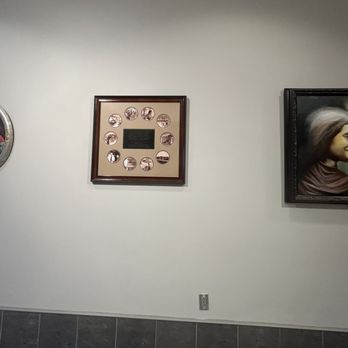
The children's museum is very Disney like with a robot bus driver and educational video. The adult museum is pretty much just a timeline of the bus boycott with various displays. A gift shop with various items is also inside the museum as well. I was impressed to see the artwork--my brother actually created the ten roundels on the outside of the museum, and was present when the museum was opened. Ms. Parks was alive then, and he actually had the opportunity to meet her. Visiting the museum gave me a great appreciation for my life now. I have choices. I feel as if the world is open to me. . . I am very grateful for the sacrifices, the strength and determination of those before me who organized to make life better for themselves, and in turn, the generations after them. It is a very humbling experience. . . read more




5 years ago

Nestled across Troy University, this museum is a moving and loving tribute to Ms. Parks. It had a moving Re-enactment of what happened on the bus and how her actions sparked a movement. The bus ride next door is mostly for kids, but they will enjoy that. Also, the student pricing are for students attending school in Alabama. read more







8 years ago
My husband and I were on our way to catch our bus downtown on a Friday and had enough time to check out the museum. We received a warm greeting by our your tour guide who took our coats, bags, and carry out food (he offered to refrigerate). It was a self-guided tour that consisted of a video, reenactment, and exhibit. Small but powerful imagery and lots of historical artifacts like original civil rights/MLK news clippings and police reports. You can even stand at the stop where the boycotts began. Great museum and a must see if your in AL. read more


10 years ago
Hard to actually give this place only three stars considering the historical significance of this but... Here's the deal, this is down south where we expect that "southern hospitality" for which at this location does not exist. The staff are just disinterested and uninviting. Nonetheless, the information was good, no thanks to the staff, and there is value in visiting this museum. read more


12 years ago
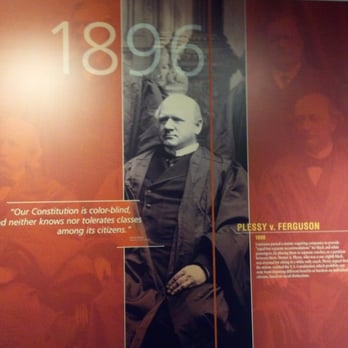
We took the time machine tour and it was a blast. The museum is geared towards making learning fun for children and adults. The "tour" is done in a time machine bus - that shook and moved. My description probably will not do it justice - it was like a sci fi holiwood bus set. The video sends the group back in time to major points in African Americans quest for their rights - for example when Plessy bought his first class white ticket. All the time periods are acted out as if we are witnessing the event. It is great for children. I wish the details went deeper and covered more the legal process. As for the video, it was the only one available. There were 10 others in the "making" but the clerk said that's been the case for 3 years. I know I would enjoy a few more. The exhibit upstairs had brief descriptions of the events; however the computers had detailed documents about arrests. Very interesting! read more

12 years ago
If you are visiting Montgomery it would be shame to miss this museum. The docent who guides the groups through the museum makes it even more interesting. You are not allowed to take photos inside the museum, but you will see people sneak in a shot. read more

9 years ago
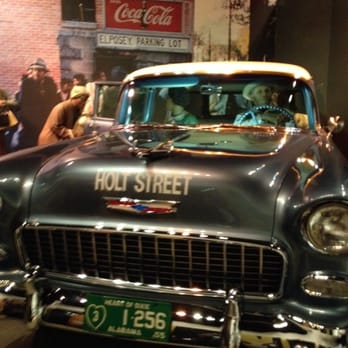
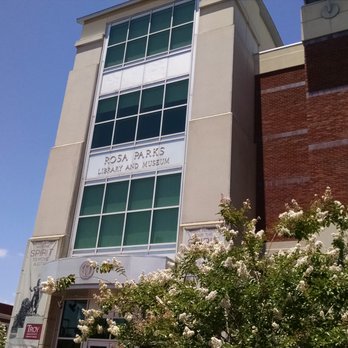
VERY WELL DONE! This museum was one of our favorites as we toured the historical sites and museums in Montgomery. The self-guided tour starts with a movie that gives you a little overview of the incident that sparked the Montgomery Bus Boycotts. Once that movie is over, the doors will open up and you will enter another room that has a bus in shadow. The room is dark so you are really just focused on the bus. The bus is filled with people and the entire incident is re-enacted and narrated. It is so moving and it really "takes you there". After this display, you are able to walk through the museum and see other exhibits related to the boycott. The amount of organization and commitment that it took to start and maintain the boycott was phenomenal and just gave me such a sense of pride and respect for those who steadfastly fought for their right to be treated with respect and fairness. This museum is not for every age. Please do not bring very young kids because it is very distracting and kids don't do well when asked to stand still in the dark for about 15 minutes. This is not that kind of museum and if your kids are not at an age where they can appreciate this experience, please think twice before bringing them. Remember, there are people attending who would appreciate being able to experience this museum without the distraction. Thank you. The one thing that the museum needs to work on is making sure that their speakers are articulate and can verbally express themselves in a manner that is understandable and makes sense. The speaker who prepped us for the tour was an embarrassing mess and I simply could not understand her. I believe that she was from somewhere else because I did not detect a southern accent and she used the term "yous" instead of you all. Tragic! Also, the employee in the gift shop was a sour puss and barely made eye contact. She just seemed miserable and it was just uncomfortable being in there. Well, Momma does not shop where she is uncomfortable so I left. They may want to rotate her into a different (no contact with the public), position. Actually my husband made a similar observation regarding the ladies at the front desk. No this is not indicative of the city because the people here are generally very warm and friendly and no, I would not alter my rating of this wonderful museum because of poor hiring choices. You will have very minimal contact with theses people so you are still able to have an enjoyable experience. Highly recommended! read more


6 years ago

Page 1 of 2
More info about Rosa Parks Library & Museum
Ask the Community - Rosa Parks Library & Museum
Review Highlights - Rosa Parks Library & Museum
















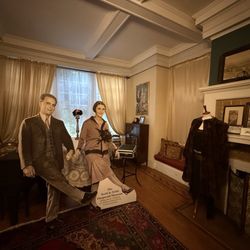
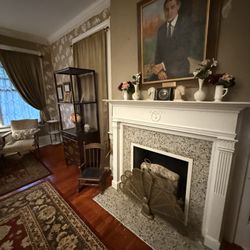
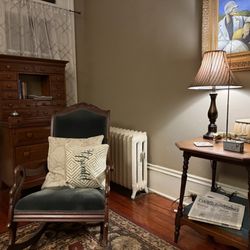


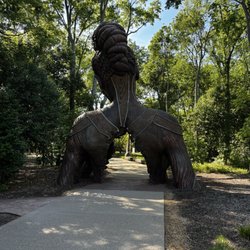



Why does Yelp recommend reviews?
10 reviews that are not currently recommended
The reviews below are not factored into the business's overall star rating.

9 years ago
12 years ago

12 years ago

12 years ago

12 years ago
12 years ago

12 years ago
12 years ago
11 years ago

11 years ago
Rosa Parks Library & Museum - museums - Updated August 2026
Best of Montgomery
People found Rosa Parks Library & Museum by searching for…
Things to Do in Montgomery, AL
Fun Things to Do on Date Night in Montgomery, AL
Places to Take Pictures in Montgomery, AL
Driving Schools in Montgomery, AL
Landmarks & Historical Buildings in Montgomery, AL
Children's Museums in Montgomery, AL
Movie Theaters in Montgomery, AL
Art Galleries in Montgomery, AL
Arts & Entertainment in Montgomery, AL
Country Line Dancing in Montgomery, AL
Running Tracks Open to the Public in Montgomery, AL
Points of Interest in Montgomery, AL
National Parks in Montgomery, AL
Trending Searches in Montgomery, AL
Antiques near Rosa Parks Library & Museum
Arts & Entertainment near Rosa Parks Library & Museum
Barbershop For Men near Rosa Parks Library & Museum
Bike Shop near Rosa Parks Library & Museum
Cheap Party Venues near Rosa Parks Library & Museum
Consignment Shops near Rosa Parks Library & Museum
Ear Piercing near Rosa Parks Library & Museum
Eyebrow Threading near Rosa Parks Library & Museum
Family Activities near Rosa Parks Library & Museum
Fun Kid Friendly Restaurants near Rosa Parks Library & Museum
Hair Braiding near Rosa Parks Library & Museum
Historic Homes near Rosa Parks Library & Museum
Kids Haircut near Rosa Parks Library & Museum
Mini Golf near Rosa Parks Library & Museum
Museums near Rosa Parks Library & Museum
Pedicure near Rosa Parks Library & Museum
Permanent Makeup near Rosa Parks Library & Museum
Photo Spots near Rosa Parks Library & Museum
Public Golf Courses near Rosa Parks Library & Museum
Public Pools near Rosa Parks Library & Museum
Browse Articles
Browse Nearby
BEST of Montgomery, Alabama Restaurants near Rosa Parks Library & Museum
BEST of Montgomery, Alabama Things to Do near Rosa Parks Library & Museum
BEST of Montgomery, Alabama Coffee near Rosa Parks Library & Museum
BEST of Montgomery, Alabama Breakfast near Rosa Parks Library & Museum
BEST of Montgomery, Alabama Zoo near Rosa Parks Library & Museum
BEST of Montgomery, Alabama Botanical Gardens near Rosa Parks Library & Museum
BEST of Montgomery, Alabama Hotels near Rosa Parks Library & Museum
BEST of Montgomery, Alabama Visitor Centers near Rosa Parks Library & Museum
BEST of Montgomery, Alabama Alligator near Rosa Parks Library & Museum
Browse Brands
Related Searches in Montgomery, AL
Best Christian Preschools Available in Montgomery, Alabama
Best Fun Things to Do in Montgomery, Alabama
Best Kindergarten Schools Located in Montgomery, Alabama
Best Places to Study in Montgomery, Alabama
Best Religious Schools and Education in Montgomery, Alabama
Best Sightseeing Experiences Available in Montgomery, Alabama
Book Engaging Historical Tours in Montgomery, Alabama
Browse Catholic Schools Available in Montgomery, Alabama
Browse Middle Schools & High Schools in Montgomery, Alabama
Browse Private Tutors Available in Montgomery, Alabama
Browse Top Hotels in Montgomery, Alabama for Your Stay
Browse the Best Casinos Located in Montgomery, Alabama
Challenging Escape Room Adventures in Montgomery, Alabama
Discover Charming Historic Homes in Montgomery, Alabama
Discover Family-Friendly Aquariums in Montgomery, Alabama
Discover Fun Activities to Do in Montgomery, Alabama
Discover Fun Things to Do Alone in Montgomery, Alabama
Discover Leading Specialty Schools Located in Montgomery, Alabama
Discover Live Theater Shows in Montgomery, Alabama
Discover Public Swimming Pools in Montgomery, Alabama
Discover the Best Interactive Museum in Montgomery, Alabama
Discover the Best Military Museum in Montgomery, Alabama
Discover the Best Running Track in Montgomery, Alabama
Effective Tutoring Programs Offered in Montgomery, Alabama
Elementary Schools With Best Reviews in Montgomery, Alabama
Enjoy Arts & Entertainment in Montgomery, Alabama
Enjoy Fun Paint & Sip Events in Montgomery, Alabama
Enjoy the Best Family Activities in Montgomery, Alabama
Experience Vibrant Performing Arts in Montgomery, Alabama
Explore After School Programs Available in Montgomery, Alabama
Explore Art Classes Available in Montgomery, Alabama
Explore Art Schools Available in Montgomery, Alabama
Explore Beautiful Parks and Green Spaces in Montgomery, Alabama
Explore CPR Classes Available in Montgomery, Alabama
Explore Children's Museums Near Montgomery, Alabama
Explore Education Options in Montgomery, Alabama
Explore Family-Friendly Zoos and Wildlife in Montgomery, Alabama
Explore Free Things to Do Around Montgomery, Alabama
Explore Fun Activities to Do in Montgomery, Alabama
Explore Fun Field Trips in Montgomery, Alabama
Explore Interactive Science Museums in Montgomery, Alabama
Explore Landmarks & Historical Buildings in Montgomery, Alabama
Explore Language Schools Near Montgomery, Alabama
Explore Leading Cosmetology Schools in Montgomery, Alabama
Explore Nursing Schools Available in Montgomery, Alabama
Explore Photography Classes Available in Montgomery, Alabama





