Roseland Cottage Photos



You might also consider


More like Roseland Cottage
Recommended Reviews - Roseland Cottage
Start your review...



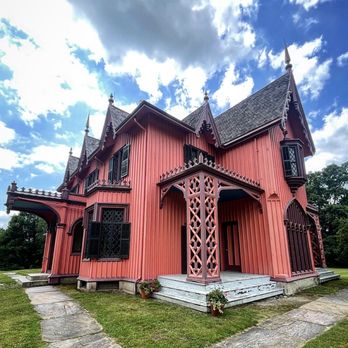
The Roseland Cottage is truly a beautiful historical gem in CT! I recently took a tour of the house and it was super interesting. Though the grounds are always open to visitors, guided tours of the house are only available June through mid-October, Thursday-Sunday from 11AM-3PM, every hour on the hour. Timed tickets can be purchased online in advance (and this is recommended). Adult admission is $20. Once I arrived, I was greeted by staff who were very friendly. The tour guide, MaryLou, took me through the house and explained the history of Henry Bowen (the original resident of the house) and his family. She was extremely knowledgeable and it was very interesting! The tour was supposed to last around an hour, but she went for about an hour and 15 minutes. After the tour you are free to roam the grounds and take photos, and there's also a small gift shop. Non-flash photography is allowed inside the house, but no video. Overall I found this to be a really beautiful historical spot in Woodstock, CT and would definitely recommend taking a tour! read more


1 year ago

A beautiful historical gem. Our Meetup group visited and was given a lovely tour and group discount. The Roseland Cottage is rich in history, having been visited by 4 presidents. A nice gem to visit before visiting the local winery in Woodstock. read more


10 years ago
Beautiful property. The tour guide was very entertaining and knowledgeable. A great way to spend some time! read more


12 years ago
7 years ago
7 years ago

15 years ago
12 years ago
More info about Roseland Cottage
Ask the Community - Roseland Cottage



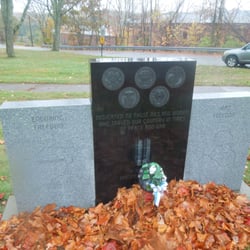

Roseland Cottage - landmarks - Updated August 2026
Best of Woodstock
People found Roseland Cottage by searching for…
Places to Take Pictures in Woodstock, CT
Historical Tours in Woodstock, CT
Baby Shower Venues in Woodstock, CT
Kids Birthday Party Venues in Woodstock, CT
Wedding Venues in Woodstock, CT
Small Private Party Venues in Woodstock, CT
Arts & Entertainment in Woodstock, CT
Scenic Overlook in Woodstock, CT
Beautiful Views in Woodstock, CT
Bridal Shower Locations in Woodstock, CT
Fun Things to Do on Date Night in Woodstock, CT
Banquet Halls for Rent in Woodstock, CT
Browse Nearby
BEST of Woodstock, Connecticut Restaurants near Roseland Cottage
BEST of Woodstock, Connecticut Things to Do near Roseland Cottage
BEST of Woodstock, Connecticut Coffee near Roseland Cottage
BEST of Woodstock, Connecticut Photo Spots near Roseland Cottage
BEST of Woodstock, Connecticut Museums near Roseland Cottage
BEST of Woodstock, Connecticut Breakfast near Roseland Cottage
BEST of Woodstock, Connecticut Hotels near Roseland Cottage
BEST of Woodstock, Connecticut Campgrounds near Roseland Cottage
BEST of Woodstock, Connecticut Ski Resorts near Roseland Cottage
Browse Brands
Related Cost Guides
Browse Articles
People who viewed Roseland Cottage also viewed

City of Providence
32 reviews
DownCity

Little Dipper Farm
6 reviews

Thompson Historical Marker
1 review

Sprout CoWorking
13 reviews
Olneyville

Union Civil War Cannon Memorial
2 reviews

Rhode Island State House
43 reviews
Downtown

Gwyn Careg Inn
6 reviews
$$

Christalight Auditorium and Event Hall
6 reviews

Wrights Mill Farm
8 reviews

Barnaby castle
3 reviews
Federal Hill