San Ildefonso Pueblo Photos


More like San Ildefonso Pueblo
Recommended Reviews - San Ildefonso Pueblo
Start your review...



18 years ago

18 years ago
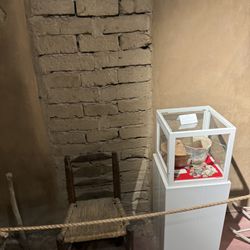
I feel kind of weird rating a pueblo here... I'm basically rating a village and tourist site for a group of native New Mexicans. At the same time, it was a cool cultural experience that anyone visiting New Mexico should probably do. We heard about the pueblos through the Santa Fe tourist site and decided it was an absolute must for us. We went to San Ildefonso because we read about how they fought off the Spaniards and their famed pottery. The pueblo is very easy to find, and very well marked for the visitor. You know exactly where to pull up and park; do that (WATCH OUT for those speed bumps!) and check in. This pueblo allows you to register a camera for a fee ($10) and take pictures. There were quite a few people coming and going throughout this pueblo-- it was very alive! Children running and playing, adults hanging by the porches, etc. The pueblo also has a museum about the famous black-on-black pottery the pueblo is known for. It was interesting to learn how it was made, and more about the San Ildefonso culture. The museum cost was included with the carload entry fee. This pueblo also has several shops and when you check in they give you a map of where these shops are. It was helpful as some of the shops are in people's homes, and we didn't want to trespass. It was sometimes confusing as to which were open, though. And a quick heads up that the pottery sold here is expensive!! $60 for a 3" round bowl, over a hundred to several hundred for some of the bigger bowls. It is beautiful, though, and I think they are quite the collector's item. If you're going to visit a pueblo, this is a good one to visit. IGNORE THE YELP MAPPING on this one-- it is not in downtown Santa Fe! For more info, you can go to these websites (I couldn't find the official one for the pueblo): http://www.newmexico.org/native_america/pueblos/san_ildefonso.php http://www.indianpueblo.org/19pueblos/sanildefonso.html http://santafe.org/Visiting_Santa_Fe/Things_to_Do/Indian_Pueblos/Eight_Northern_Indian_Pueblos/#ildefonso read more


13 years ago
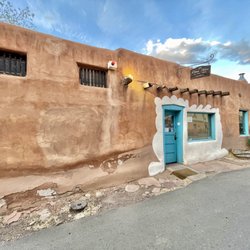
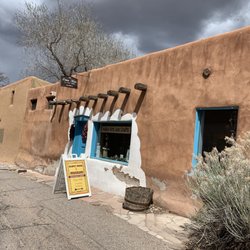
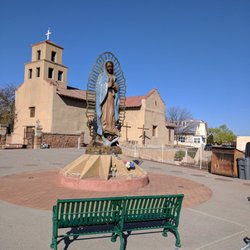
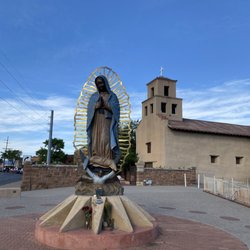
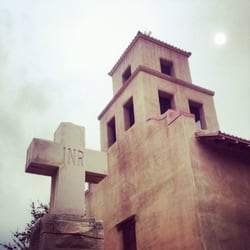
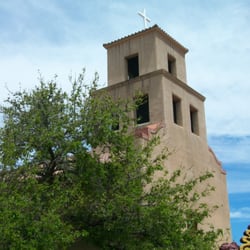
On my first trip to New Mexico, I decided to visit a Native American reservation (or pueblo as they are known in that area). I chose San Ildefonso because it was recommended in a guide book as the "most visually appealing" of the 19 New Mexican pueblos and because it was the home of Maria Martinez, who rediscovered and popularized traditional techniques for making pottery with striking black matte and gloss designs. Unfortunately, San Ildefonso was very disappointing. The long list of rules presented to visitors creates an intimidating, rather than welcoming, atmosphere. The pueblo village resembled a hamlet in Appalachia, with many dilapidated homes and scrawny dogs running loose. Most of the home-based crafts shops had ugly security bars on the doors and windows, and, on the day I visited, many of them were closed. In summary, San Ildefonso was a big disappointment. The map shown on Yelp is wrong; I have posted the correct map. The San Ildefonso pueblo is actually located about 25 miles north of Santa Fe, on Route 502 about 7 miles west of US-84/285. If you're driving from Santa Fe to Los Alamos, the Puye Cliff Dwellings, or Bandelier National Monument, you will drive right by San Ildefonso. The pueblo village is located about one mile north of Route 502 at the end of a paved road (Povi Kaa Drive). (Caution: Watch out for poorly marked speed bumps!) All visitors must register at the visitors center at the entrance to the village. A friendly, but firm, woman reviewed the village map, which has many areas marked "keep out", and the long list of pueblo rules (disingenuously entitled "Visiting Etiquette"). The rules are preceded by "We acknowledge that not all visitors understand respect or courtesy..." (really???), which struck me as very off-putting. Basically, I felt unwelcome in the pueblo. The entry fee is $10 per group plus $10 for a camera permit. Visitors are not allowed to drive into the village. The streets are not paved, but were mostly dry despite rain the previous night. The walk from the visitors center to the furthest point open to visitors is about ¼ mile. There's a picturesque church and cemetery near the center of the village. Neither is open to visitors, but they can be viewed and photographed (if you purchased a camera permit, of course) from outside the low perimeter wall. The Maria Martinez museum is located in a building that also houses tribal government offices, a pre-school, and public restrooms. The sparsely furnished museum contains two display cases featuring examples of her pottery and her life story briefly told in photos and other documents. During my walk through the village, I did not see any residents, other than a few who drove by in their vehicles. There were about four other groups of visitors. I also encountered about five or six scrawny dogs running loose. The dogs were neither friendly nor hostile, which was OK with me. The church and government buildings were built in the adobe style common in New Mexico. The homes were a mix of adobe and wood construction, with some trailers. Many of the homes were in poor repair. Some of the homes, and most of the shops, had security bars on the doors and windows. To me, the overall appearance of the village was depressing. The first (and, as it turned out, only) shop that I visited had a small collection of pottery and other craft items for sale. The prices were atrocious; for example, $195 for a small bowl about 3" across. I tried to visit two other shops that displayed large "Open" signs, but their doors were locked and no one answered my knocking. Note: I visited San Ildefonso on a Monday morning in late September. Perhaps there is more activity and more shops are open on weekends and/or during the July-August tourist season. On my way back the visitors center, I tried to visit the Martinez family shop, where I hoped to have a better experience, but the street was blocked by a large puddle. Walking around the puddle would have required me to trespass through the yard of a private home, which is probably an "etiquette" violation. But a bigger deterrent was a large and unfriendly dog standing beyond the puddle. So, I walked back to my car instead and happily left San Ildefonso. I feel badly about posting a negative review of what is basically the tribe's hometown, but they do solicit visitors, and my review reflects my experience there. We all understand that Native Americans have suffered from 400 years of mistreatment and misguided attempts to impose other cultures on them, which has directly lead to the poverty so visible in San Ildefonso and elsewhere. But surely the pueblo could try harder to provide a better experience for visitors. Are the security bars and the long list of rules really necessary? Are there no resources to make basic repairs to the homes and shops? Why aren't more of the shops open? And why are the shop prices so high? read more


11 years ago

13 years ago