Scenic Overlook Tower Photos


More like Scenic Overlook Tower
Recommended Reviews - Scenic Overlook Tower
Start your review...



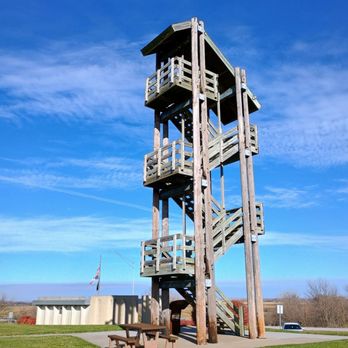
It was a super idea to put a tower at this spot because it provides great views of the entire surrounding area. Iowa has some beautiful countrysides and this tower allows sweeping views of the Loess Hills and the upper Missouri Valley region. Although the tower is constructed of wood, it is reinforced with some metal plates and is sturdy enough for anyone who is not afraid of hearing a few creaks as you climb. Scenic vistas reward visitors who make this tiny detour off the interstate. read more


10 years ago
Scenic Overlook Tower just South of Missouri Valley in the Honey Creek, Loveland IA area. Picnic tables are available in a large grassy area of the park. There is plenty of parking, handicap spots as well. A large paved loop allows for scenic looking from your vehicle and additional parking area. Restrooms were very well maintained and cleaned. Trash was emptied and ground are kept neat and looking great. No Wi-Fi or vending machines are available at this rest area. Really good place to climb up, check out the area or just grab lunch head out here and hang out a bit taking in the sights. read more


More info about Scenic Overlook Tower

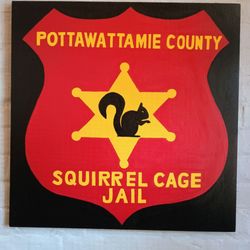
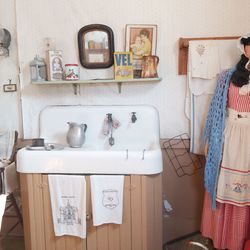


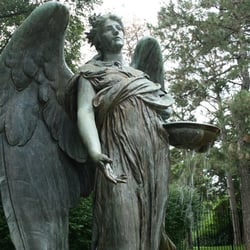











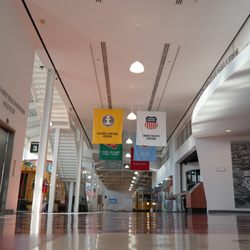



Scenic Overlook Tower - landmarks - Updated September 2026
Best of Honey Creek
People found Scenic Overlook Tower by searching for…
Places to Take Pictures in Honey Creek, IA
Picnic Areas in Honey Creek, IA
Things to Do in Honey Creek, IA
Scenic View in Honey Creek, IA
Sunset View in Honey Creek, IA
Scenic Overlook in Honey Creek, IA
Scenic Drive in Honey Creek, IA
Field Trips in Honey Creek, IA
Attractions in Honey Creek, IA
Observation Deck in Honey Creek, IA
Tourist Attractions in Honey Creek, IA
Hiking Trails With Waterfalls in Honey Creek, IA
Historical Sites in Honey Creek, IA
View Points in Honey Creek, IA
Photo Spots in Honey Creek, IA
Picnic Tables in Honey Creek, IA
Public Services & Government in Honey Creek, IA


