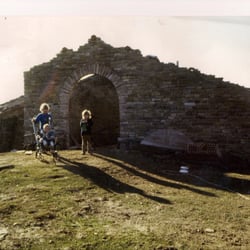
Senigallia Fortress Photos
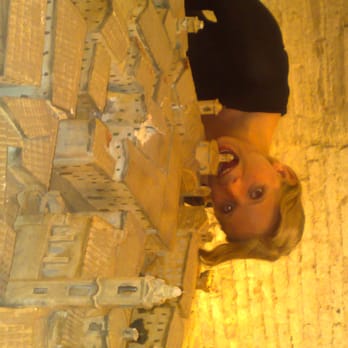


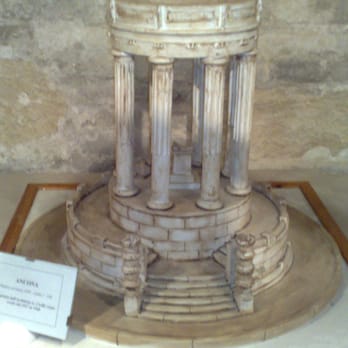
Recommended Reviews - Senigallia Fortress
Start your review...


17 years ago
A wonderful place to take refuge in the heat of the afternoon sunshine, full of cavernous dungeons, breathtaking views and more than dash of noble history: The architectural typology of the fortress of Senigallia provides a typical example of a military fortification defined as a lowland fortress. These kind of fortifications, in their fifteenth-century shape and function were built only for military purposes and generally to preserve the interests of the local noblesse. The fortress, in its central body, had three residential floors served by a two-flight staircase with the entrance on the courtyard. The garrison and the officers were lodged in the lower floor: in 1508 it housed also the School of the bombardiers. The upper floors were reserved to the Duke. The hall which is today occuppied by the chapel dates back to the period of the Urbino Dukedom's devoltuion to the Church (after 1631). read more


More info about Senigallia Fortress
Santa Maria delle Grazie
60019 Senigallia
Italy
Directions
071 60298
Call Now
Visit Website
http://www.incastro.marche.it/incastro/senigallia/eng/rocca.STM
Hours
Outdoor Amenities
Other Amenities