The Berwick Historical Society Photos


More like The Berwick Historical Society
Recommended Reviews - The Berwick Historical Society
Start your review...



The Berwick Historical Society is located on the property of The Jackson Mansion. I took a tour of the Mansion with my family. The price is inexpensive for a tour. If you enjoy the Victorian style-themed era, this house will be enjoyable to tour. For locals, it will give you a glimpse back into that time in Berwick which is neat to hear about our local history. Check out their website for special events such as Christmas time. I hear it is beautifully decorated at Christmas time. read more


More info about The Berwick Historical Society
344 N Market St
Berwick, PA 18603
Directions
(570) 759-8020
Call Now
Hours
Other Amenities


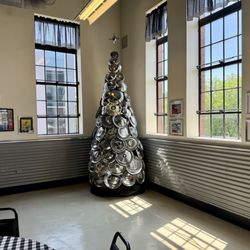
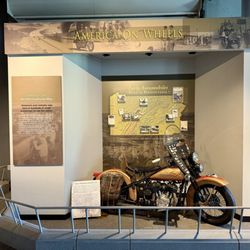
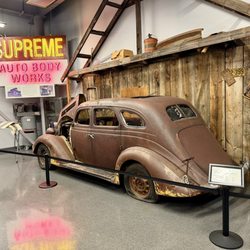

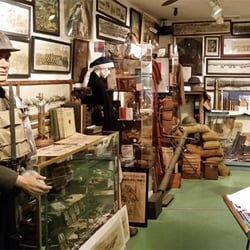

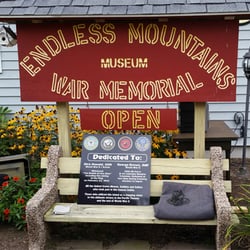

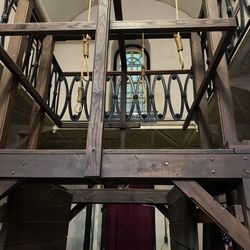


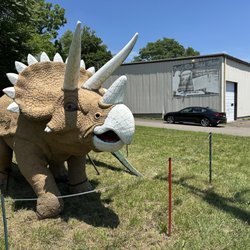
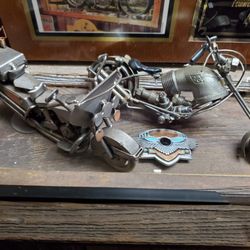
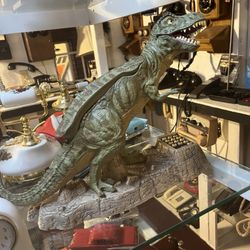
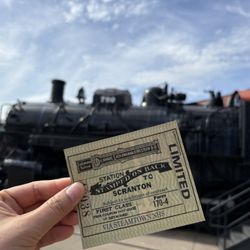





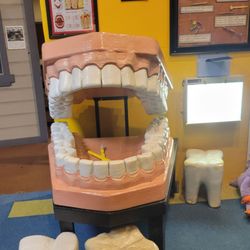

The Berwick Historical Society - landmarks - Updated September 2026
Best of Berwick
People found The Berwick Historical Society by searching for…
Historical Tours in Berwick, PA
Scenic Overlook in Berwick, PA
Things to Do on a Rainy Day in Berwick, PA
Indoor Attractions in Berwick, PA
Fun Things to Do on Date Night in Berwick, PA
Arts & Entertainment in Berwick, PA
Places to Take Pictures in Berwick, PA
Tourist Attractions in Berwick, PA
Trending Searches in Berwick, PA
Apple Orchards near The Berwick Historical Society
Apple Picking near The Berwick Historical Society
Archery near The Berwick Historical Society
Bike Shop near The Berwick Historical Society
Blow Dry Bar near The Berwick Historical Society
Casinos near The Berwick Historical Society
Caves near The Berwick Historical Society
Cliff Jumping near The Berwick Historical Society
Consignment Shops near The Berwick Historical Society
Dinosaur Museum near The Berwick Historical Society
Eyebrow Threading near The Berwick Historical Society
Eyelash Extensions near The Berwick Historical Society
Field Trips near The Berwick Historical Society
Hidden Gems near The Berwick Historical Society
Hiking near The Berwick Historical Society
Historic Homes near The Berwick Historical Society
Kids Activities Indoor near The Berwick Historical Society
Kids Birthday Party near The Berwick Historical Society
Landmarks & Historical Buildings near The Berwick Historical Society
Makeup Artists near The Berwick Historical Society
Nail Technicians near The Berwick Historical Society
Photo Spots near The Berwick Historical Society
Places To Visit near The Berwick Historical Society
Private Schools near The Berwick Historical Society
Rainy Day Activities near The Berwick Historical Society
Scenic Overlook near The Berwick Historical Society
Small Venues & Event Spaces near The Berwick Historical Society
Teeth Whitening near The Berwick Historical Society
Things To Do This Weekend near The Berwick Historical Society
Browse Articles
Browse Nearby
BEST of Berwick, Pennsylvania Restaurants near The Berwick Historical Society
BEST of Berwick, Pennsylvania Things to Do near The Berwick Historical Society
BEST of Berwick, Pennsylvania Coffee near The Berwick Historical Society
BEST of Berwick, Pennsylvania Hiking near The Berwick Historical Society
BEST of Berwick, Pennsylvania Museums near The Berwick Historical Society
BEST of Berwick, Pennsylvania Hotels near The Berwick Historical Society
BEST of Berwick, Pennsylvania Breakfast near The Berwick Historical Society
BEST of Berwick, Pennsylvania Ski Resorts near The Berwick Historical Society
Browse Brands
Related Searches in Berwick, PA
Beautiful Flower Fields in Berwick, Pennsylvania
Best Waterfalls and Swimming Holes in Berwick, Pennsylvania
Book Engaging Historical Tours in Berwick, Pennsylvania
Book a Mansion Tour in Berwick, Pennsylvania
Browse Top Hotels in Berwick, Pennsylvania for Your Stay
Discover Charming Historic Homes in Berwick, Pennsylvania
Discover Family-Friendly Aquariums in Berwick, Pennsylvania
Discover Famous Monuments in Berwick, Pennsylvania
Discover Free Parking Options in Berwick, Pennsylvania
Discover Popular Landmarks in Berwick, Pennsylvania
Discover Popular Photo Spots in Berwick, Pennsylvania
Discover Top Festivals Happening in Berwick, Pennsylvania
Discover the Best Caves to Explore in Berwick, Pennsylvania
Discover the Best Interactive Museum in Berwick, Pennsylvania
Discover the Best Military Museum in Berwick, Pennsylvania
Discover the Best Music Museum in Berwick, Pennsylvania
Enjoy Arts & Entertainment in Berwick, Pennsylvania
Enjoy Scenic Night View Experiences in Berwick, Pennsylvania
Enjoy the Best Night View Spots in Berwick, Pennsylvania
Enjoy the Best Walking Trails in Berwick, Pennsylvania
Explore Art Classes Available in Berwick, Pennsylvania
Explore Beautiful Botanical Gardens in Berwick, Pennsylvania
Explore Beautiful Castles and Landmarks in Berwick, Pennsylvania
Explore Beautiful Parks and Green Spaces in Berwick, Pennsylvania
Explore Children's Museums Near Berwick, Pennsylvania
Explore Family-Friendly Petting Zoos in Berwick, Pennsylvania
Explore Family-Friendly Zoos and Wildlife in Berwick, Pennsylvania
Explore Free Kids Activities Near Berwick, Pennsylvania
Explore Free Things to Do Around Berwick, Pennsylvania
Explore Fun Activities to Do in Berwick, Pennsylvania
Explore Fun Field Trips in Berwick, Pennsylvania
Explore Interactive Science Museums in Berwick, Pennsylvania
Explore Landmarks & Historical Buildings in Berwick, Pennsylvania
Explore Popular Scenic Overlook Points in Berwick, Pennsylvania
Explore Popular Scenic Views Near Berwick, Pennsylvania
Explore Popular View Points Around Berwick, Pennsylvania
Explore Top Art Galleries Located in Berwick, Pennsylvania
Explore Top Bus Tours Around Berwick, Pennsylvania
Explore Top History Museums in Berwick, Pennsylvania
Explore Venues & Event Spaces in Berwick, Pennsylvania
Explore the Best Wineries in Berwick, Pennsylvania for Wine Tasting
Explore the Top Car Museum in Berwick, Pennsylvania
Find Beautiful Views in Berwick, Pennsylvania
Find Exciting Tours to Take in Berwick, Pennsylvania
Find Pottery Classes Near Berwick, Pennsylvania
Find Top Art Museums in Berwick, Pennsylvania
Find Top Libraries to Visit in Berwick, Pennsylvania


