Thomas Shinn House Photos


More like Thomas Shinn House
Recommended Reviews - Thomas Shinn House
Start your review...



13 years ago
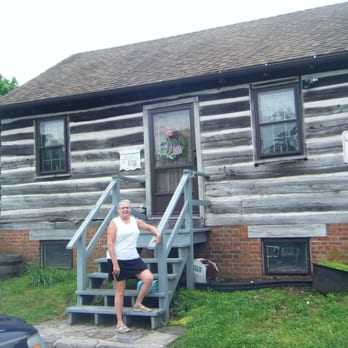
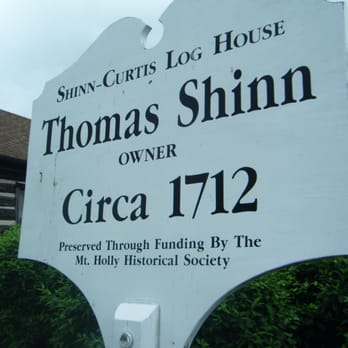
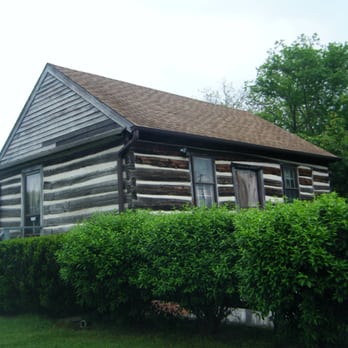
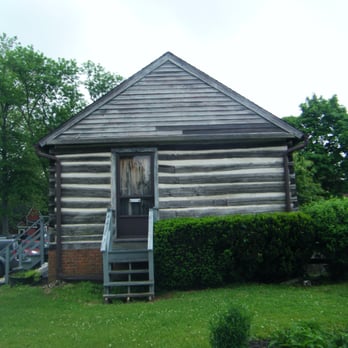
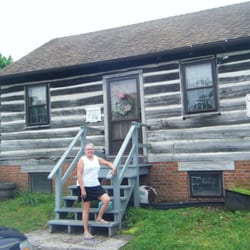
A house hidden in a house The Thomas Shinn House was originally built waaaay back in 1712. A very primitive English cabin built of roughly cut logs. Nothing fancy about this place. The cool part is that it was actually hidden and part of another house that was built much later. The Shinn House wasn't discovered until the new and much larger house was demolished in 1967. Of course the Shinn House was bought by the Mt Holly Historical Society and moved from it's original location on Water Street to it's present home on Park Drive, right behind the town hall. Unfortunately the old cabin isn't open to the public and you really can't see in the windows. That's too bad because it must be fascinating inside. However just walking around it and seeing the rough and tiny place is amazing enough. I wonder what it must have been like to raise a family in this tiny and crude home. And why was the newer house just built around the little cabin. I'll probably know but it is an incredible cool and historical house located in a town that is just full of surprises. read more
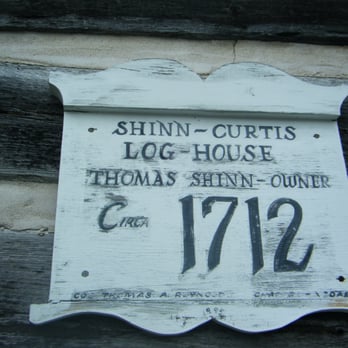

More info about Thomas Shinn House













Why does Yelp recommend reviews?
1 review that is not currently recommended
The reviews below are not factored into the business's overall star rating.

4 years ago
Thomas Shinn House - landmarks - Updated September 2026
Best of Mount Holly
People found Thomas Shinn House by searching for…
Things to Do in Mount Holly, NJ
Places to Take Pictures in Mount Holly, NJ
Attractions in Mount Holly, NJ
Secret Spots in Mount Holly, NJ
Field Trips in Mount Holly, NJ
Scenic Overlook in Mount Holly, NJ
Urban Exploration in Mount Holly, NJ
Scenic View in Mount Holly, NJ
Public Services & Government in Mount Holly, NJ
Photo Spots in Mount Holly, NJ
Public Parking in Mount Holly, NJ
Tourist Attractions in Mount Holly, NJ
Party Venues in Mount Holly, NJ
Historical Sites in Mount Holly, NJ
Things to See in Mount Holly, NJ
Browse Nearby
BEST of Mount Holly, New Jersey Restaurants near Thomas Shinn House
BEST of Mount Holly, New Jersey Coffee near Thomas Shinn House
BEST of Mount Holly, New Jersey Things to Do near Thomas Shinn House
BEST of Mount Holly, New Jersey Museums near Thomas Shinn House
BEST of Mount Holly, New Jersey Breakfast near Thomas Shinn House
BEST of Mount Holly, New Jersey Photo Spots near Thomas Shinn House
BEST of Mount Holly, New Jersey Hotels near Thomas Shinn House
BEST of Mount Holly, New Jersey Campgrounds near Thomas Shinn House
BEST of Mount Holly, New Jersey Ski Resorts near Thomas Shinn House





