Photos and videos for Didcot Railway Centre









1 of 1
Photos for Didcot Railway Centre
13 of 23
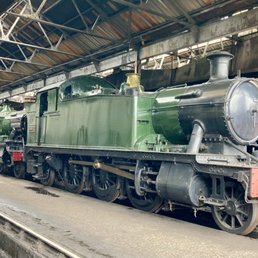
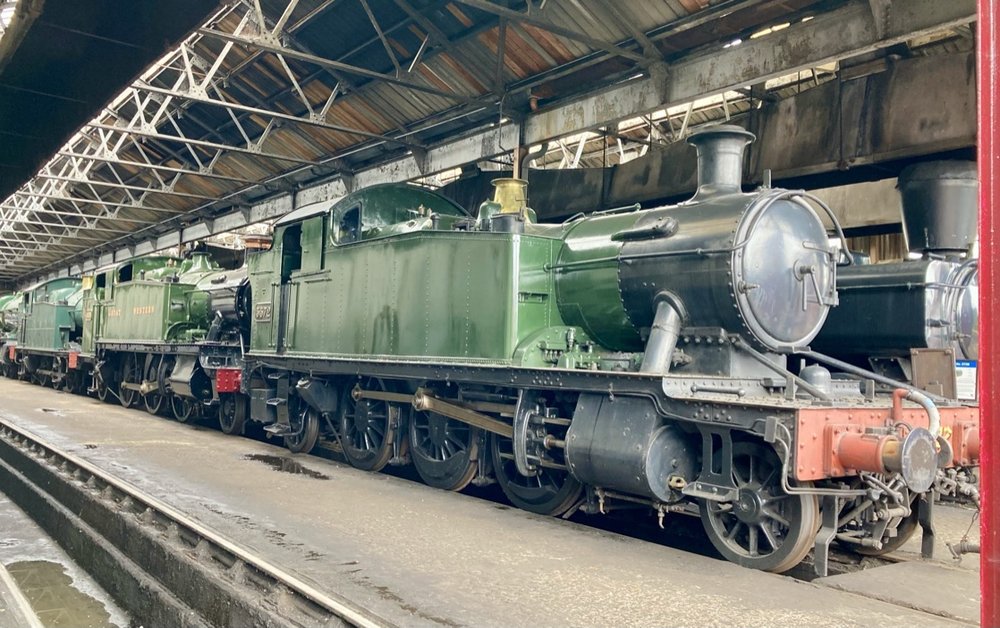
GWR 2-6-2T number 5572 in the engine shed

David J. on Sep 1, 2021
From David's review

Sep 1, 2021
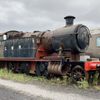
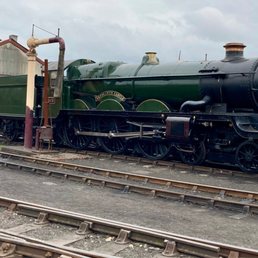
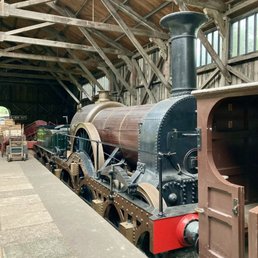
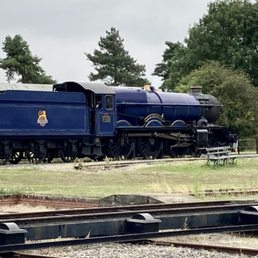
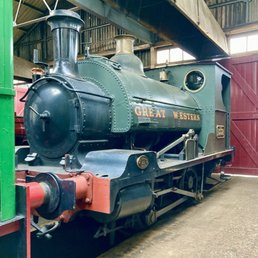
The Didcot Railway Centre is a railway museum and heritage railway engineering centre, based in a former engine shed at Didcot. It became the home of the Great Western Society in 1967, and has since developed into a fully-fledged heritage railway attraction. As the name suggests, the focus is on the heritage of the Great Western Railway (GWR), one of the 'Big Four' railways companies nationalised into British Railways in 1948. Didcot is an appropriate location as the junction of the original Great Western Main Line from London to Bristol with its branch to Oxford and Birmingham. The showpiece of the centre is the original 1932 railway shed and associated workshops. There is also an elevated coaling stage from the original yard. Around this, the centre has added two short demonstration lines for trains to run on, complete with replica stations, which provide short rides behind steam engines (mostly at weekends and school holidays - check website for details and also for special event days). Entry tickets provide for unlimited numbers of rides, however. Of particular interest is the display of the broad-gauge line (7'01/4") originally chosen by Brunel for the Great Western in 1840, but which was gradually replaced in the 19th century by standard gauge track. This comprises an original transhipment shed, used to move goods from broad to standard gauge trains, and a length of broad gauge and mixed-gauge track. The collection of locomotives includes a number of 4-6-0 Great Western express and mixed traffic engines, some steam and diesel shunters, a GWR railcar from 1940, and the GWR-commissioned gas turbine locomotive 18000, built in 1949. There are also replicas of two broad gauge locomotives, the 2-2-2 Firefly and the 4-2-2 Iron Duke. There is also a varied collection of coaching stock, including a functioning autocar of the type used on branch lines. The site has a small museum, shop selling souvenirs, two second-hand bookshops supporting specific aspects of the society's work, and a cafeteria serving light meals, beverages and snacks (including excellent choice of home-made cakes). Access is via a subway tunnel from Didcot station (18 steps), with parking in the station car park. Despite the steps, the site welcomes visitors with physical, sensory and learning disabilities and guided tours, booked in advance, can be provided - see website for details. The site itself has concrete walkways but the nature of the site means not all areas have level access. It makes for a great day out for rail fans of all ages. read more