Photos and videos for Dr Hugh Mercer


1 of 1
Photos for Dr Hugh Mercer
3 of 3
Dr. Hugh Mercer

Bruce K. on Aug 10, 2021
From Bruce's review

Aug 10, 2021
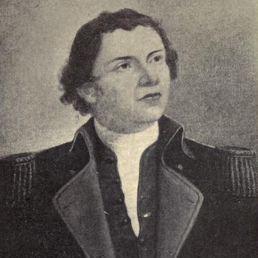
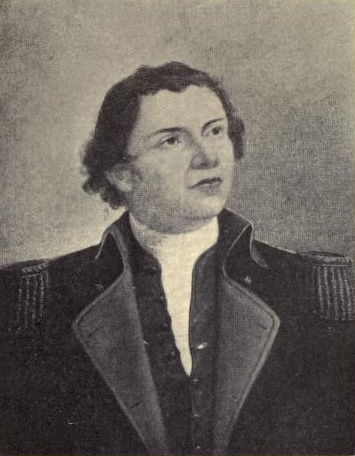
This marker on the outskirts of the city of Mercersburg tells us of the history of the man the city is named after. It reads, "Dr. Hugh Mercer. A physician and surgeon, practiced in the Conococheague Settlement 1750-1765, and lived in this locality during that time. A personal friend of Washington, a general in the Revolutionary Army, he received his death wounds at the Battle of Princeton, January 1777. A brave soldier, a skilled physician and a loyal American." Online, there is more information. Hugh Mercer (16 January 1726 - 12 January 1777) was a Scottish soldier and physician who participated in the Seven Years' War and American Revolution. He initially served with the Jacobite forces of Bonnie Prince Charlie, and with the British forces during the Seven Years' War, and later became a brigadier general in the American Continental Army. Mercer was born in Aberdeenshire, Scotland and was present at the Battle of Culloden when Charles' army was defeated on 16 April 1746. As a fugitive in his homeland in 1747, Mercer fled Scotland after months in hiding. He bought his way onto a ship and moved to America. There are rumors that Mercer exclusively originated Washington's plan to cross the Delaware River and surprise the Hessians at the Battle of Trenton on December 26, 1776, and he was certainly a major contributor to its execution. Because of Mercer's courage and sacrifice, Washington was able to proceed into Princeton and defeat the British forces there. He then moved and quartered his forces to Morristown in victory. Succeeding generations of Mercer's family have distinguished themselves. Famous direct descendants of Hugh Mercer were his grandson Virginia governor John Mercer Patton, his sons Confederate Lt. Col Waller T. Patton and Col. George Smith Patton, who in turn was an ancestor of General George S. Patton, Jr. [Review 15580 overall - 570 in Pennsylvania - 1084 of 2021.] read more