









Photos for Marconi Beach
10 of 45

Robert S. on Sep 25, 2022
From Robert's review

Sep 25, 2022
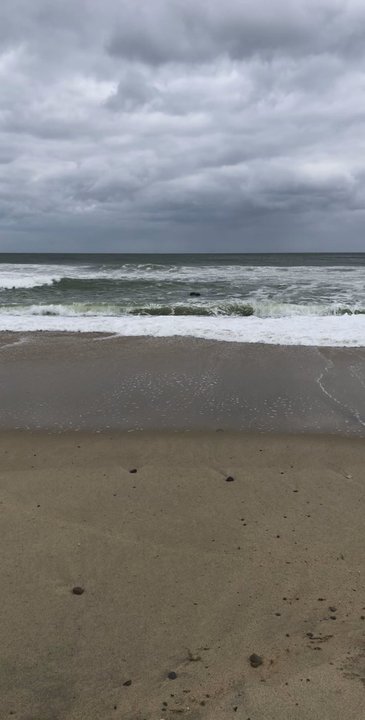
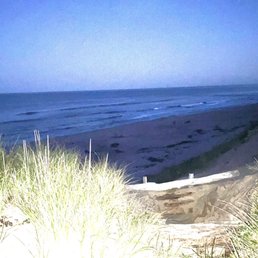
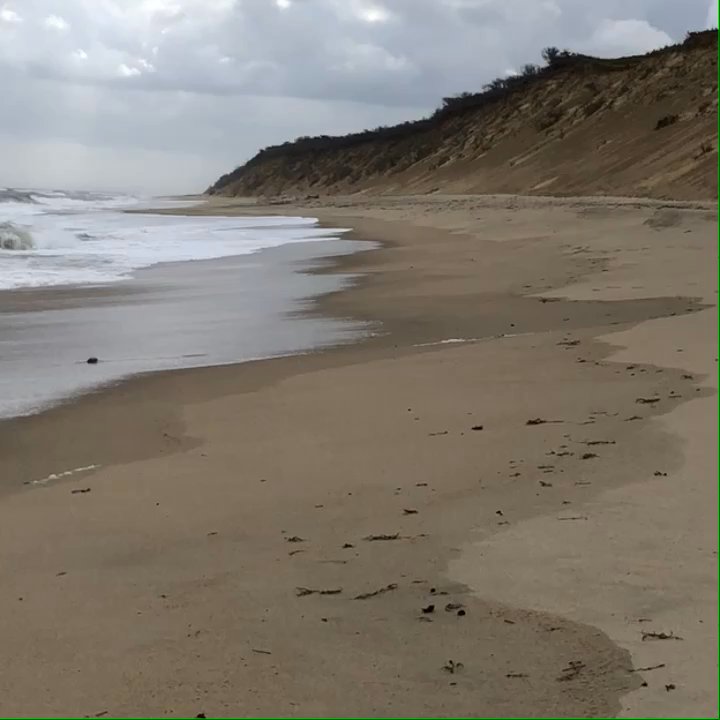
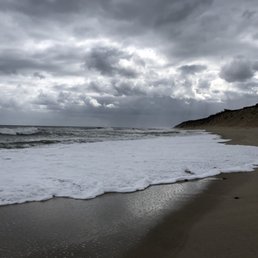
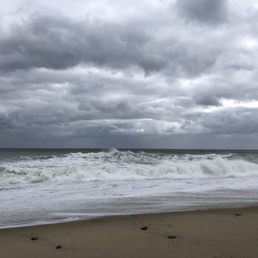
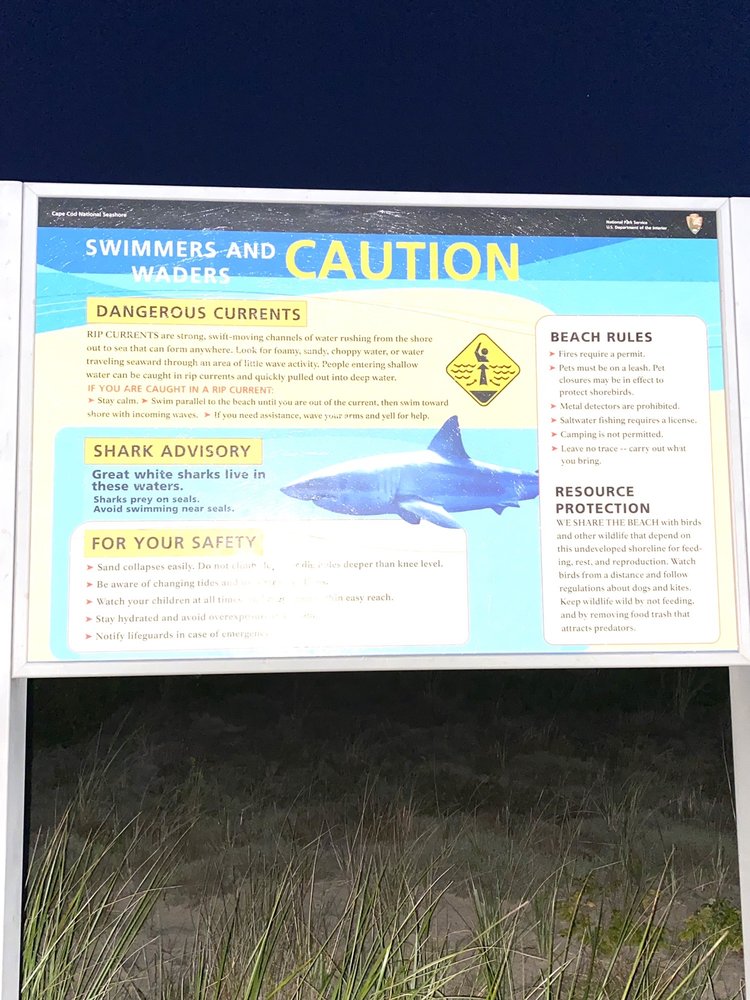
We went to Marconi beach to watch the sunset and to take part of a "Starry Night beach party". The Astronomical society put together a nice talk about the stars and planets we could see and it was really fun. There were several telescopes around so we got to see Jupiter and Saturn. Since it's off season, there was no fee to get in and park. The beach is very ample, wide and sandy soft...there are steps to go down, so for some that might be not optimal. The parking lot is also very big. Marconi Beach is part of the Cape Cod National Seashore. The beach is named for Italian inventor Guglielmo Marconi. In 1903, the first transatlantic wireless communication originating in the United States was successfully transmitted from nearby Marconi Station; a message from U.S. President Theodore Roosevelt to King Edward VII of the United Kingdom. The beach was also used by the former Camp Wellfleet for artillery and rocket testing. There is a broad, sweeping view of the Atlantic Ocean and Cape Cod Bay from the overlook atop the steep sand cliff above the beach. The National Park Service has built a display on-site that describes the history of wireless telegraphy, though parts have been removed due to beach erosion. During the summer season, restrooms and outdoor showers are available to beachgoers, along with on-site parking and access from the nearby bike trail via a two-lane road. Admission is charged for vehicles and pedestrians at the rate for all Cape Cod National Seashore beaches. The Beach is popular among locals and tourists for surfing and boogie boarding. It is one of five Cape Cod national seashore beaches that are on the ocean side of the Cape, generally providing a better surf than beaches on the bay side. Low tide exposes a fairly flat stretch of beach, making it also popular for skimboarding. Seals can frequently be seen in the waters at Marconi. read more