Boracay Old Church Ruins Photos


Recommended Reviews - Boracay Old Church Ruins
Start your review...



2 years ago
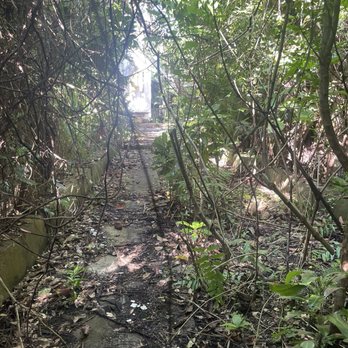
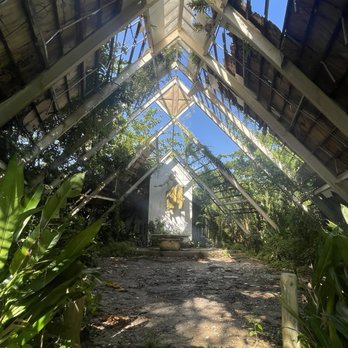
I truly don't know how to describe this place, it's not really a museum but it is a historical site I suppose? Basically I learned about it when googling "cool things to do in boracay." And let me tell you - while it was cool to see, it's a bit of a b*tch to get to, so if you wanna know, here's the scoop. I didn't know at first since there really is no trail that shows up going to it. I asked a bunch of locals working in restaurants and at a nearby (real) church and nobody knew where it was. Eventually I asked a couple of the local drivers and one of them knew and told his friend the area. We were at the bus stop by the Lind hotel when the driver took us, and what he ended up doing was driving about 1-2 mins south of there, then turning on the first road just south of the Dos Mestizos restaurant on the main road (Boracay Tambisaan Jetty Port Rd). The little road he turned on was paved and small, and it did not stick out in anyway so we definitely wouldn't have known to go that way. My mom was nervous about it so the asked the driver to wait for us which he did, since he only went like 30-40 meters down that road then said he couldn't drive further (there was a tree branch covering a big part of the road. The ground was kinda muddy probably from the monsoon season surrounding our trip, although it hadn't been raining since we came. We actually missed the way into the site because it is NOT obvious -- the path kind of looks like a little overgrown trail like you'd see on an easy hike. There are some houses around there and it's well lit but there isn't really anything else around. I followed the map exactly and it seemed like we were going past the ruins. Bummed out, I turned back to not keep the driver waiting longer. Just then, a group of 4-5 Filipino guys walked by and said "are you looking for the church?" I said yes, and they explained the entrance was a small hole in the brush, and that I needed to duck/almost crawl through, and the church would be just through there on the left. I found the hole in the brush and as soon as I went through I found a nice thick layer of mud welcomed by nice Nike sneakers -- the borders are no longer white!! But the guys were right, just after going through that hole and walking like 10 seconds to the left I saw the church in a clearing a ways off. All in all, it's only like a 2 minute walk off that little road coming off the main road - it's not far at all, but ofc is a bit difficult to find. The ruins itself are small, there isn't a lot to see but I still thought it was super cool to see an old church buried in the mini-jungle like that!! Makes for some super cool pics. If you go, just be sure to wear shoes you don't mind getting muddy... read more




More info about Boracay Old Church Ruins
Aklan The District Boracay, Station 2
Malay, 5608 Aklan
Philippines
Directions
Hours
Other Amenities


