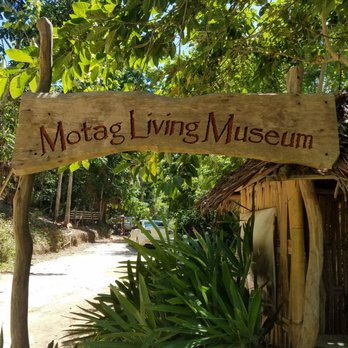
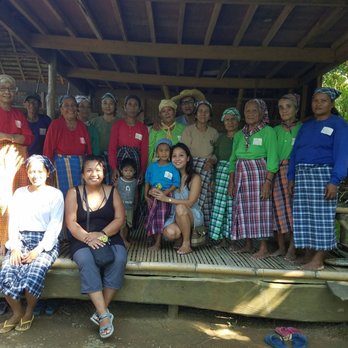
Motag Living Museum Photos
Recommended Reviews - Motag Living Museum
Start your review...

9 years ago
I've been to Boracay more times than I can count. Caticlan has always just been the jetty port to go to Boracay to me. I never thought of going anywhere in that area. Well 2 years a go I was searching for things to do when I spent 1 month in the Philippines and added this to my list. I haven't had time to go to Motag Living Museum until this year. This visit to Motag Living Museum was the perfect way to end my trip in the province. My trips always seem routine so it's nice to do something different during each trip to the Philippines. The museum focuses on life in the province back in the day. Basically everything my mom and her siblings experienced growing up in the province. I was showing my mom and one of her siblings some of my photos and they were like "now you know." It's hard work and not fun for a child. Pretty cool experience to pick rice. I didn't really want to step in the muddy water to plant rice. Riding a carabao was really cool. Everything about the museum was awesome. It's the simple things in life that we forget about and should be reminded of. I prefer coming here over Boracay. Take a few hours out of your day before going to a touristy island and learn some history of the Philippines. Very close tricycle ride from the jetty port so it's easy to find. read more
10 years ago
Before submerging yourself and your family in the blue waters of Boracay or any of the nearby resorts, consider spending a quiet afternoon at Motag Living Museum, an interactive living diorama of life in the Philippines before electricity. The tour starts with an overview of the simpler life - no electricity, a farm dependent on water from the nearby river, verdant rice paddies, and no indoor plumbing. People draw water from the community well using bamboo poles, store them in earthen jars for future use, and bathe in 4x4 sq. ft. outhouses using coconut for shampoo and the leaves of the Maria-Maria plant as soap. The outhouse is a slightly larger and covered hut with a hole in the ground. After finishing one's business, one throws ash into the hole to stem the smell. Instead of toilet paper, one uses what's most commonly available - in this case, coconut husks that have been shredded into a spongy pulp. The tour continues in the house where one gets a glimpse into home life and house construction. The house itself is made completely of plant material - nice, coconut, bamboo and rattan rope for lashing. Cooking and drinking implements are made of either bamboo and coconut shells or clay. Since living quarters are small, and work is plentiful, life here is decidedly communal. A walk into the rice field brings us face to face with the water buffalo, or carabao. The more adventurous of us get to ride said carabao around the paddy while those looking for a less jaunty ride can sit in the sled behind This beast of burden. Next we learn about rice - planting it, harvesting it, threshing it, husking it, and cooking it. Since the paddies were dry when we were there, we only got a change to harvest using a small hand-held blade. Then we went to the threshing triangle, an elevated platform made of bamboo where rice stalks are threshed by foot. Once the grains have been separated, they are pounded using long wooden poles and pounding blocks, then the husk separated from the rice grain by hand. We were served some suman and lemongrass and ginger tea for our "work". We learned about the coconut - from the young coconut juice, to the coconut meat of an old coconut, the manufacture of copra and the extraction of coconut cooking oil. The tour ends again at the "gift shop"/hut where a group of what seemed like 25 men, women and children taught us how to weave various handicrafts and toys, and sang us a native goodbye song. The tour itself is about two hours long but what you get from this tour is a peek of the Philippine farm life - simpler, quieter, and certainly under threat from the very real modernization and tourism just a mile away. read more
More info about Motag Living Museum
Barangay Motag
Aklan
Philippines
Directions
036-2883208
Call Now
Visit Website
https://motaglivingmuseum.com
Hours
What time does Motag Living Museum open?
What time does Motag Living Museum close?
Other Amenities
Does Motag Living Museum have free WiFi?
Yes, Motag Living Museum has free WiFi.