Chastleton House Photos


Recommended Reviews - Chastleton House
Start your review...



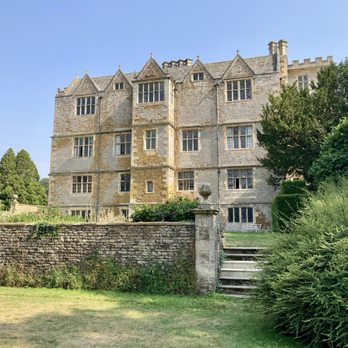
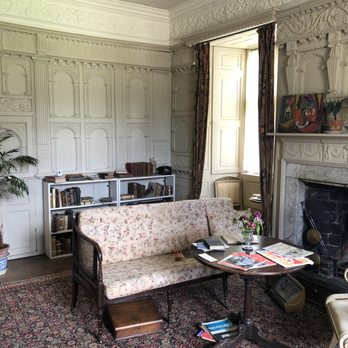
Chastleton House is a wonderfully preserved example of an early 17th Century House, with a lively history, and attractive gardens. The house was built for Walter Jones, a wealthy lawyer whose family were originally Welsh wool merchants. He purchased the estate in 1602, and replaced the original house with one in the early Renaissance style. It is built around a small internal courtyard, and is unusual in being built close to a village, which provided some of the services (such as a laundry and bakehouse) that would have been integral to a larger estate mansion. Chastleton remained in the same family for 400 years, and was acquired by the National Trust only in 1991. The family chose the Royalist side in the English Civil War, which resulted in them losing much of their fortune. They nearly also lost the family line, when Arthur, the grandson of Walter, fled to his home after the Battle of Worcester in 1651. Hiding in the house, his wife enabled his escape by putting laudanum in the beer of the pursuing Parliamentary troops. But the financial impact of the war meant that the family was relatively impoverished; this however delivered the glory of the house; it survived the next 350 years relatively unmodernised, with much of the original furniture, paintings and tapestries in place, with an air of slow decay. After acquiring the house, the National Trust spent nearly a decade stabilising it, but thankfully conserved it in its "dusty" state. The rooms include a Great Hall with a classic Jacobean screen, the walls lined with the family portraits; a wonderfully panelled dining room; a Great Chamber (effectively a drawing room) and Long Gallery, and several large but homely bedrooms. The main rooms all have wonderful early Jacobean plastered ceilings, some clearly installed by workers who also installed ceilings in some of the nearby Oxford colleges. The kitchen and cellars are also intact - the latter including a huge (and incredibly heavy) 75ft high ladder, used to clear the gutters. The car park is a 250m walk along a gravel path down to the house. There is a second-hand bookshop, but no cafe; in the summer, drinks and cakes are served in the charming adjacent mediaeval church, supporting other local churches and charities. read more




3 years ago
We visited Chastleton House on our walks through the Cotswolds. It is a grand early 17th-century Jacobean manor house which has been preserved, under a policy of "conservation" in the condition it was in when the National Trust took it over from the family. It has thus been neither restored or updated and contains numerous belongings from the family's life and history, as well as the changes which the family made during their life here. This makes it both grand and fascinating for being able to see how a family, once wealthy and important but increasingly impovershed, lived in such a grand place. Tea and cake are at times provided in the chapel on the grounds. read more




13 years ago