Fire Museum of Texas Photos


More like Fire Museum of Texas
Recommended Reviews - Fire Museum of Texas
Start your review...


Reviews With Photos


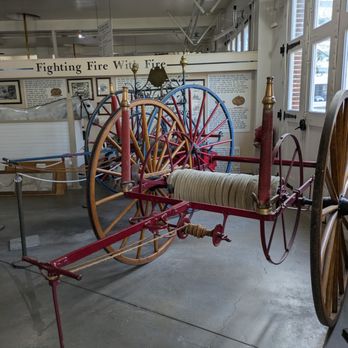
Was in Beaumont during a Heat Wave so I dropped by the Fire Museum. If you like Fire Engines this is a good place to visit. Even had LBJ's Fire Truck.


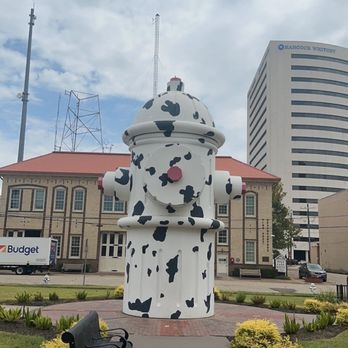
I'm not going to pretend I went inside, it was closed today. The giant fire hydrant was a cute touch and obviously we had to take pics with our dogs. Notice the regular size fire hydrants (also Dalmatian colors, tracing the perimeter).


Great stop if you are in Beaumont or passing through. The museum is free but of course donations made keep the place free and up & running. There are some really neat old fire trucks, a collection of fireman badges from different places and lots of other must sees. So glad I stopped in! read more

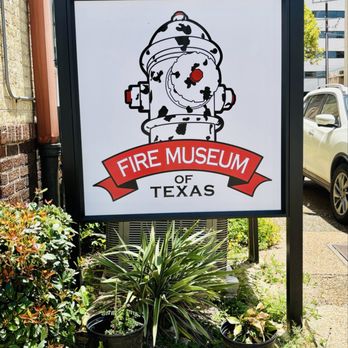


This self‑guided and free museum in Beaumont turned out to be one of those stops that quietly wins you over, the kind of place where you walk in expecting a quick look around and instead find yourself slowing down because every corner has something worth studying. The building sits beside the giant Dalmatian‑spotted hydrant, which sets the tone before you even step inside, but the real charm comes from the way the museum mixes polished antique engines with early hand‑drawn equipment and the everyday tools that shaped the trade long before modern technology made things safer. Everything is arranged with enough space to breathe, so you can take your time without feeling like you're blocking anyone's view, and the lighting makes the brass fittings and old pumpers glow in a way that feels almost theatrical. Once you're moving through the exhibits, the museum's personality starts to show. The turnout coats and helmets for kids add a playful note, but even as an adult you feel that same spark of curiosity when you stand next to the older rigs and imagine what it must have been like to rely on them during a real emergency, especially when the interpretive signs give you just enough context without drowning you in technical detail. The staff keep the place spotless and welcoming, and the whole experience feels grounded in respect for the people who have done this work across generations, from the earliest bucket brigades to the modern engines parked outside firehouses today. By the time we stepped back out into the Beaumont sun, we realized we'd spent a full hour wandering through a space that manages to be both educational and quietly moving, the kind of museum that doesn't need to be flashy to leave an impression. It's a lovely stop for anyone passing through, and it deepens your appreciation for the trade in a way that stays with you long after you've left. [Review 343 of 2026 - 670 in Texas - 25530 overall] read more


Great little museum! Self guided tours are free. They had a new dog that you can sign a waiver to visit. When I visited the dog was out of office unfortunately. The staff of the museum are very friendly. Super cool and interesting museum. It's about a 30 min - 1 hour stop! I'd definitely come back if I'm in the area. read more


3 years ago
Was in Beaumont during a Heat Wave so I dropped by the Fire Museum. If you like Fire Engines this is a good place to visit. Even had LBJ's Fire Truck. read more


7 years ago
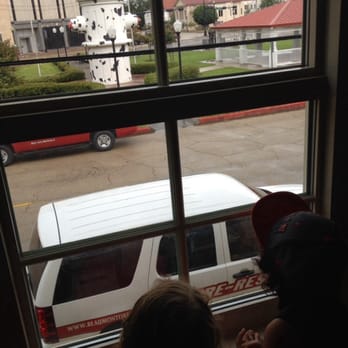
I'm not going to pretend I went inside, it was closed today. The giant fire hydrant was a cute touch and obviously we had to take pics with our dogs. Notice the regular size fire hydrants (also Dalmatian colors, tracing the perimeter). read more


12 years ago
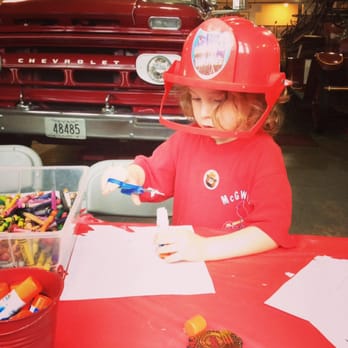
My 2 three year old grandsons had a blast. They sat on trucks, dressed in fireman gear, explored upstairs & met Smokey Bear. read more



11 years ago
14 years ago

13 years ago
10 years ago
More info about Fire Museum of Texas
400 Walnut St
Beaumont, TX 77701
Directions
(409) 880-3927
Call Now
Visit Website
http://www.firemuseumoftexas.org
Hours
Services
Other Amenities