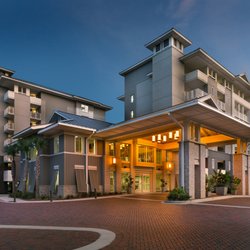
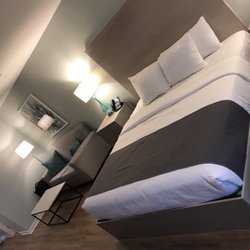
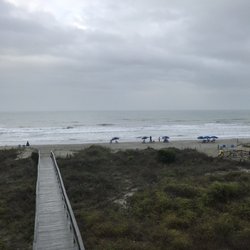
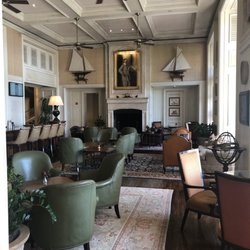
Fripp Island Resort Photos


You might also consider

More like Fripp Island Resort
Recommended Reviews - Fripp Island Resort
Start your review...


Reviews With Photos

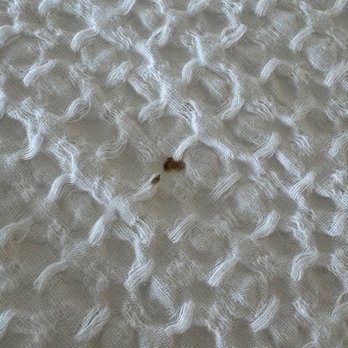
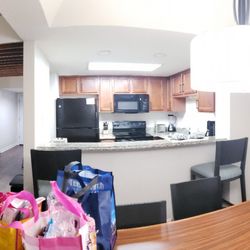
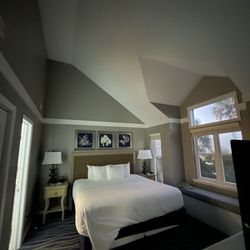
We rented 515 Tarpon Blvd on Fripp Island from August 3-9, 2025, and were shocked at the condition of the property compared to the photos online. The house was filthy and in no way represented accurately. The master comforter had a blood stain, closets had a dead roach and dirty sock, and outdoor areas were covered in cobwebs, debris, and moldy furniture cushions. The master shower grout was black with mold, the air filter had not been changed in a very long time, and even the family room railing had peanut butter smeared on it. The pool tiles are uneven and unsafe, the hot tub didn't work upon arrival, and the ice maker never functioned despite maintenance visits. We also woke up to roof leaks in the kitchen on two separate mornings. Basic supplies were grossly inadequate--only two trash bags, one dish towel, one dishwasher tab, and one roll of toilet paper per bathroom for a week in a 4-bedroom, 4.5-bath house that sleeps 12. The towels were cheap and thin, similar to a roadside motel. Almost every surface of this home needs to be cleaned, disinfected, or replaced. We paid over $10,000 for this rental, and it was a constant source of frustration instead of a relaxing family vacation. Management did not properly address the issues when we reported them, and sending one cleaner with her child was not a solution. The online photos are deceiving and do not reflect the current state of this property. Renters should be aware before booking that this home is unsanitary, poorly maintained, and unsafe in several areas.


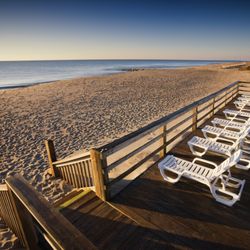
This is our home away from home, we've come for two seasons now and we love it each time. Ownership is adding a lot of upgrades, modifying and updating while keeping the classic charm to this island. Beaches are spacious and the sunrise is always amazing. I've read a lot of comments on the security but they're working hard to keep dangerous situations from happening and we've never encountered the island security under bad situations as we respected the island and its guests. We've enjoyed all of the structured activities and the live music and events are always fun for the whole family. I can't wait to compete in some of the competitions next year!


Recently visited Fripp Island Resort the 3 rd week of August. We stayed at the rental property located at 45 Davis Love. For a property to cost over 3K for a week I expect much more that what the property had. Upon check in we found only the basic housekeeping completed . There is no effort out j to maintaining the outside of the property. The landscape is completely overgrown and unkept. The house is covered in green mold. Certainly not worth what was charged . it is obvious the house is a cash cow for the owner and property manager. David B


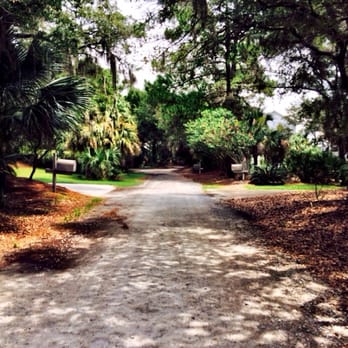
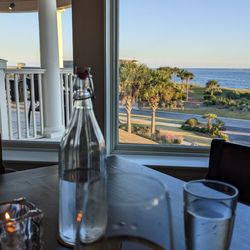
When you hear the phrase "pastoral scene of the gallant South," Fripp has them all. The combination of palm trees and moss in South Carolina was absolutely beautiful. A tad different than your typical Myrtle Beach atmosphere, this private residence is quiet and peaceful. You can still turn up at the Beach Club and Adult pool and then ride around on golf carts in the pitch black (no street lights) though so do not fear, beer is near! Also, Beaufort is just a short 20 minute ride from the island and they have a FEW more things to do when you start getting cabin fever. There are non-skiddish deer and we also unknowingly passed a 12-foot alligator in someone's front yard, no big deal just everyday life or death scenarios. If you are looking for a good rest, DIY fun or a comfy place to retire, Fripp is definitely your go-to destination. You're welcome.


1 month ago
While visiting Fripp island, get the amenity card and go to the Canvas & Cabernet jewelry class! We walked away with such a treasured piece. The class was 2 hours. You could do a necklace or earrings. They used the quick setting resin so it didn't take long to set. A glass of wine comes with the class. read more


1 month ago
Animal Encounters at the Nature Center with Sadie and Abby was SO fun! The Gatorology tour with Conner and Birding with Colleen were FANTASTIC!!! Our group was SO glad that we did these and made them part of our first visit to Fripp read more


2 months ago
1 year ago
We rented 515 Tarpon Blvd on Fripp Island from August 3-9, 2025, and were shocked at the condition of the property compared to the photos online. The house was filthy and in no way represented accurately. The master comforter had a blood stain, closets had a dead roach and dirty sock, and outdoor areas were covered in cobwebs, debris, and moldy furniture cushions. The master shower grout was black with mold, the air filter had not been changed in a very long time, and even the family room railing had peanut butter smeared on it. The pool tiles are uneven and unsafe, the hot tub didn't work upon arrival, and the ice maker never functioned despite maintenance visits. We also woke up to roof leaks in the kitchen on two separate mornings. Basic supplies were grossly inadequate--only two trash bags, one dish towel, one dishwasher tab, and one roll of toilet paper per bathroom for a week in a 4-bedroom, 4.5-bath house that sleeps 12. The towels were cheap and thin, similar to a roadside motel. Almost every surface of this home needs to be cleaned, disinfected, or replaced. We paid over $10,000 for this rental, and it was a constant source of frustration instead of a relaxing family vacation. Management did not properly address the issues when we reported them, and sending one cleaner with her child was not a solution. The online photos are deceiving and do not reflect the current state of this property. Renters should be aware before booking that this home is unsanitary, poorly maintained, and unsafe in several areas. read more



4 months ago
6 months ago

2 years ago
This is our home away from home, we've come for two seasons now and we love it each time. Ownership is adding a lot of upgrades, modifying and updating while keeping the classic charm to this island. Beaches are spacious and the sunrise is always amazing. I've read a lot of comments on the security but they're working hard to keep dangerous situations from happening and we've never encountered the island security under bad situations as we respected the island and its guests. We've enjoyed all of the structured activities and the live music and events are always fun for the whole family. I can't wait to compete in some of the competitions next year! read more


1 year ago

3 years ago
Recently visited Fripp Island Resort the 3 rd week of August. We stayed at the rental property located at 45 Davis Love. For a property to cost over 3K for a week I expect much more that what the property had. Upon check in we found only the basic housekeeping completed . There is no effort out j to maintaining the outside of the property. The landscape is completely overgrown and unkept. The house is covered in green mold. Certainly not worth what was charged . it is obvious the house is a cash cow for the owner and property manager. David B read more


1 year ago
4 years ago

4 years ago

12 years ago
When you hear the phrase "pastoral scene of the gallant South," Fripp has them all. The combination of palm trees and moss in South Carolina was absolutely beautiful. A tad different than your typical Myrtle Beach atmosphere, this private residence is quiet and peaceful. You can still turn up at the Beach Club and Adult pool and then ride around on golf carts in the pitch black (no street lights) though so do not fear, beer is near! Also, Beaufort is just a short 20 minute ride from the island and they have a FEW more things to do when you start getting cabin fever. There are non-skiddish deer and we also unknowingly passed a 12-foot alligator in someone's front yard, no big deal just everyday life or death scenarios. If you are looking for a good rest, DIY fun or a comfy place to retire, Fripp is definitely your go-to destination. You're welcome. read more



4 years ago
5 years ago
Avoid Fripp Villa Unit 339 - Dirty and an alarming lack of privacy. Units in active construction should not be rented out. I cannot fathom how anyone in this organization thought this was an acceptable idea. When we reached out to management, we were told either "not our responsibility" or given no answer. No desire to stay there ever again. 5 stars for the island itself. 0 stars for Fripp Island Stay booking, 0 stars for the "resort", 0 stars for the unit, 0 stars for the property manager. We have stayed on Fripp in the past and always enjoyed it immensely which is why this short 3-night was gifted us by my boss. The inconveniences began small and we were just so happy to be back on Fripp that we just rolled with each new thing, trying to be accommodating. But by the final day, it was ridiculous. It started with the property manager harassing us for weeks for a golf cart agreement that we didn't need because we weren't renting a golf cart, then the resort got our names wrong delaying our check in. Then for some reason we were put in a unit in the middle of an active construction project. There was a dumpster in our one dedicated parking spot forcing us to park father away in general parking, there were construction tools, equipment, and workers in front of our unit that we had to walk through every day, the unit's interior also reflected construction with exposed plywood, missing doors, half finished ceilings, and mornings began with hammering, banging, clanging, and sawing at 8AM on the dot. Not ideal for a vacation but we were spending our days next door at the Hunting Island park so we just rolled with it. The unit was also dirty -- cobwebs on the curtains, sand on the counters, etc. The bathrooms were spotless though so we just rolled with that too because the trip was so short and we were so grateful to be there. The final day was the final straw - hair discovered in the carpet that wasn't ours, construction equipment sprawled in front of our door, construction workers asking to be let in to our unit to work on the ceiling, and the grand prize was a random man clambering up a ladder and appearing on my private bedroom balcony WHILE I WAS GETTING DRESSED. It belonged in a sitcom. Only I wasn't laughing anymore. A disgrace of hospitality. read more

7 years ago
5 years ago
4 years ago

11 years ago

9 years ago
15 years ago
More info about Fripp Island Resort
2119 Sea Island Pkwy
Saint Helena, SC 29920
Directions
(855) 885-3843
Call Now
Visit Website
http://www.frippislandresort.com?NCK=8558853843
Hours
Other Amenities
From the Business
Ask the Community - Fripp Island Resort
Review Highlights - Fripp Island Resort














Why does Yelp recommend reviews?
2 reviews that are not currently recommended
The reviews below are not factored into the business's overall star rating.
12 years ago
2 years ago
Fripp Island Resort - resorts - Updated August 2026
Best of Saint Helena
People found Fripp Island Resort by searching for…
Vacation Rentals in Saint Helena, SC
Golf Course in Saint Helena, SC
Ghost Tour in Saint Helena, SC
Transportation in Saint Helena, SC
Alligator Tour in Saint Helena, SC
Sunrise View in Saint Helena, SC
Seafood Buffet in Saint Helena, SC
Hotels and Motels and Inns in Saint Helena, SC
Beach Club in Saint Helena, SC
Star Gazing in Saint Helena, SC
Swamp Tours in Saint Helena, SC
Ocean View Restaurant in Saint Helena, SC
Hotels With in Room Jacuzzi Tubs in Saint Helena, SC
Things to Do in Saint Helena, SC
Condos for Rent in Saint Helena, SC
All You Can Eat Crab Legs in Saint Helena, SC
Long Term Rv Parking in Saint Helena, SC
Cabin Rental in Saint Helena, SC
Browse Nearby
BEST of Saint Helena, South Carolina Hotels near Fripp Island Resort
BEST of Saint Helena, South Carolina Restaurants near Fripp Island Resort
BEST of Saint Helena, South Carolina Things to Do near Fripp Island Resort
BEST of Saint Helena, South Carolina Breakfast near Fripp Island Resort
BEST of Saint Helena, South Carolina Coffee near Fripp Island Resort
BEST of Saint Helena, South Carolina Campgrounds near Fripp Island Resort
BEST of Saint Helena, South Carolina Shopping near Fripp Island Resort
BEST of Saint Helena, South Carolina Beaches near Fripp Island Resort



