gdansk old town Photos



Recommended Reviews - gdansk old town
Start your review...



It was my first time in Gdansk, the historic city on Poland's Baltic coast, and I was excited to explore the city's famous Old Town with its historic architecture. Alas, as I looked out of my room window, I saw nothing but dark, grey clouds sweeping in at a furious pace. Dressed for the wet, cold weather and armed with a windproof umbrella and a good dose of determination, I stepped out into the street and embarked on my stroll around the Old Town. Gdansk can trace its roots back to the 10th century when it was founded by Mieszko I, a Polish duke. From that point onwards, the settlement grew into a wealthy and powerful trading city (particularly in grain) due to its strategic location between Northern and Western Europe, and its ties to the Hanseatic League, an alliance of influential merchant guilds and their trading cities in Germany, the Netherlands and the Baltic region, in the 13th century. Throughout the following centuries, Gdansk (also known in German as Danzig) became the largest city on the Baltic coast and handled most of Poland's seaborne trade. It also found itself in a literal tug-of-war between the Germans and Polish, a struggle that lasted till the end of World War II, with brief spells of autonomy during the Napoleonic era and after World War I. World War II was the most destructive war, with about 90% of the city destroyed. As I walked along the charming cobblestone streets lined by rows of colourful, narrow houses, I couldn't help but wonder why the Gdansk architecture looked rather much like Amsterdam. Did the pre-war city look like this? I stopped at a café to warm up with a coffee and struck a conversation with a Polish gentleman who, as it turned out, lives in the Old Town. I asked him about the post-war reconstruction of Gdansk and why the architecture reminded me of Amsterdam. He responded by talking about the heated debate that ensued after the war. One side wanted to reconstruct the city to its former glory whilst others wanted to erase the memories of the war and the German occupation by creating a modern urban centre. The modern Lech Walesa Airport is about a 20-minute drive from the city centre (approximately EUR 20+ by taxi). The currency used is the Polish zloty and there are many ATMs spread out across the city. The city centre is very compact, making it very easy to walk around to enjoy the sights. You can also opt to join a tour to see Gdansk and its surroundings. Find more information on Gdansk on the city's website. Gdansk is a year-round destination with an international airport. stayed at the modern Hotel Marriott Sopot. , which is located on the edge of the Baltic sea.The rooms are comfortable and the breakfasts are elaborate. The main attractions in the Old Town are located just 20 minutes away by car.However many other attractions are there in walk distance. Gdańsk Old Town is one of the largest and most-unique historic centres, not only in Poland, but in the whole of Europe. After a millennia of existence and the millions of individual lives that have passed through and contributed to this city's unique history and culture, there are now a number of places and activities that you can enjoy during your visit! What were warehouses, workshops and the state-of-the-art factory spaces in their time are now museums, restaurants, cafés and shopfronts that now service tourists instead of Hanseatic merchants. read more





More info about gdansk old town
Powroźnicza 21/22
80-828 Gdańsk
Poland
Directions
Hours
Other Amenities







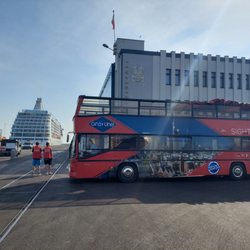
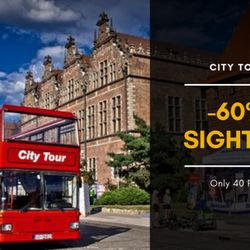




gdansk old town - historicaltours - Updated July 2026
Browse Brands
Browse Articles
Related Cost Guides
People who viewed gdansk old town also viewed

Elitours & Guides Eliza Wasiewicz
1 review

Dworzec PKP Gdańsk Główny
10 reviews

Courtyard Gdynia Waterfront
1 review
$$$

Klub Pisarza - Riviera Literacka
2 reviews

Villa Alfa
1 review
$$

Dworzec PKP Sopot
3 reviews

Port Lotniczy Gdańsk im. Lecha Wałęsy
19 reviews

Hop On Hop Off Gdańsk
1 review

Brama Wyżynna
2 reviews

Dwór Oliwski
2 reviews
$$$$