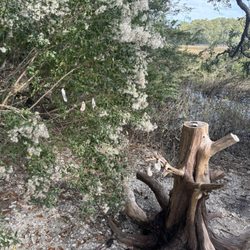
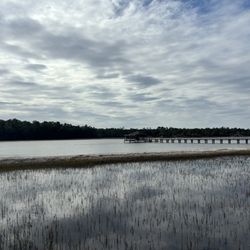
Green Swamp Preserve Photos


You might also consider

More like Green Swamp Preserve
Recommended Reviews - Green Swamp Preserve
Start your review...



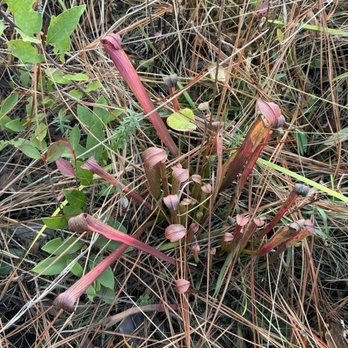
The name isn't special, but the environment is. This wildlife preserve is notable for offering a glimpse into the world of carnivorous plants. These are generally found in swamps where nutrients are hard to come by, and the sandy soil of North Carolina seems an ideal habitat. As a vegetarian, I always feel a special bond to my mirror image (a plant that eats animals, as opposed to an animal that eats plants). The Venus Fly Trap, while well known and often found in captivity, is apparently native to a relatively small area of Southeastern North Carolina. Unfortunately, I visited on a winter day, and I assume the Venus Fly Trap is seasonal, because I did not find any. Nonetheless, it is a fascinating environment. Pitcher plants, some withered away but some living, were found in patches and they do make for an interesting sight. The boardwalk and subsequent path start off being easy to navigate, but the trail becomes overgrown towards the end. Signage suggests that you can see the rare plants without going to the more rugged part. At the end of the trail, more signage states that people who wander off the trail sometimes need to be rescued, which I am inclined to believe given the hazardous-looking sinkholes and other obstacles I observed even within view or the manicured trail. Since carnivorous plants eat bugs, my guess is that the place is full of biting insects during the summer, and I would prepare accordingly. As a preserve, this isn't meant for those seeking creature comforts and there are plenty of less rugged activities near the beach, but the atmosphere is unique and the more I travel the more I appreciate distinctive local flora and fauna. read more


More info about Green Swamp Preserve
673 Green Swamp Rd NW
Supply, NC 28462
Directions
Hours
Outdoor Amenities