Kingsland House Photos


More like Kingsland House
Recommended Reviews - Kingsland House
Start your review...



13 years ago

10 years ago
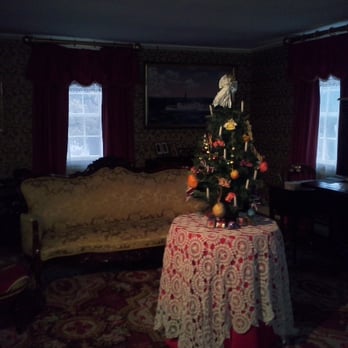
This wonderful treasure of a house from 1774 currently has a charming exhibit on toys, a period Victorian room upstairs and a terrific gift shop with interesting and inexpensive items plus great selection of books dedicated to many neighborhoods of Queens. Be sure to check out the cool weeping beech tree behind the house. read more

More info about Kingsland House
Ask the Community - Kingsland House














Kingsland House - landmarks - Updated August 2026
Best of Flushing
People found Kingsland House by searching for…
Police Departments in Flushing, NY
Courthouse Wedding in Flushing, NY
Fun Things to Do in Flushing, NY
Places to Visit in Flushing, NY
Places to Take Pictures in Flushing, NY
Public Services & Government in Flushing, NY
Tourist Attractions in Flushing, NY
Observation Deck in Flushing, NY
Browse Nearby
BEST of Flushing, New York Restaurants near Kingsland House
BEST of Flushing, New York Coffee near Kingsland House
BEST of Flushing, New York Things to Do near Kingsland House
BEST of Flushing, New York Breakfast near Kingsland House
BEST of Flushing, New York Photo Spots near Kingsland House
BEST of Flushing, New York Scenic Drive near Kingsland House
BEST of Flushing, New York Hotels near Kingsland House
BEST of Flushing, New York Sightseeing near Kingsland House
BEST of Flushing, New York Visitor Centers near Kingsland House


