Lickey Hills Country Park Photos


Recommended Reviews - Lickey Hills Country Park
Start your review...


Reviews With Photos


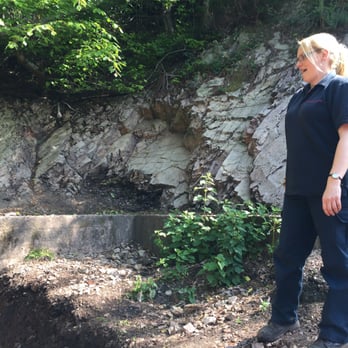
Today I went on a volunteer day with my colleagues from work as we are meant to do one community/ charity day each year. I arrived at 9.30am ahead of our 10am start and there is plenty of parking in the visitors carpark. The park rangers are really organised and usually have a team of people helping out on a regular basis. There were 10 of us so the ranger explained what we would do. We worked opposite the visitor centre in an enclosed area. She told us the various tasks we could do and went through the health and safety of using the tools. Most of us ended up spending all day in the bunker they had found covered in soil etc and other corporate groups had started to dig out. After knowing a competitor company had done so much of it, it spurred us on to finish it!! Lol We dug out soil and rubble, well I shovelled it in to the wheel barrows. I tried moving one and it wouldn't budge lol it was funny! It was a lovely hot day!! We did bring refreshments but they do supply hot water so we had tea and coffee during our break. We shared out our biscuits etc with the other group. If you are looking to do a group or corporate team building or volunteer day you should consider this as they are well organised. They do say don't leave anything in your car or don't open your boot and show that you are putting anything in as it is known that cars been broken into. I did open mine to put shoes in and did have bag of things in there and did worry bout it. But few colleagues went back to their cars to get stuff and didn't report any damage. They do have a room where you can lock stuff in but I recommend not to take and leave valuables in the car!


For the most stunning views across the whole of Birmingham take a trip up the Lickey Hills. Ever since my first visit on a school trip as a nipper this place just gets better. Popular with dog-walkers, runners, ramblers and site-seekers, you won't be disappointed with whatever you visit for. The area is steeped in history and there are plenty of plaques with information on from which to educate yourself. It's easy to turn a visit here into a whole day out, I've often taken a picnic to enjoy with a group of friends on a hot summers day, or on other occasions I've taken advantage of the various pubs and coffee shops dotted around. Parking is free so a urge you to get out and enjoy this spectacular venue.
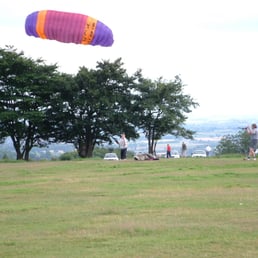


If you're looking for the best views of Birmingham, Lickey Hills Country Park is the place you should go! This very popular landscape, placed between Rednal and Barnt Green areas, is a 524 acres park with a visitor centre, golf, tennis and bowls and also a wonderful view provided from the top of the Beacon Hill, the highest point of Lickey Hills. It's a huge public space that is perfect for walkers not afraid of a bit of adventure and also families that can have a good use of its recreation park. There is a cafe nearby the recreation area and you may need some food and drinks after walking through the park. I have been to Lickey Hills with a group of very enthusiastic friends and I can tell that in the end of the journey to Beacon Hill we were all tired but happy because the perspective we have of some parts of Birmingham from that point is quite impressive. If you thinking about making some walking, make sure you have plenty of water and comfortable trainers to face this hilly walk. We had a lovely picnic up there and it was really a good idea to have some food to compensate all energy spent during the journey. We worth it! There is a free car parking at Lickey Hills. The bus number 62 service from the city centre and the Barn Green train station are the other options to get there. read more


How can this not be 5*?! Beautiful rolling countryside, amazing views, woods and generally stunning scenery. I actually don't have much more to say for a change!! If you are looking for a place for a hike, romantic walk, dog walking spot or just generally a spot to get out of the city without going too far then check this place ut. I have been coming here since I was a kid and think ill be coming back for some years! Lovely. read more

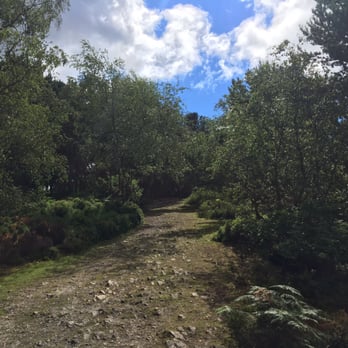

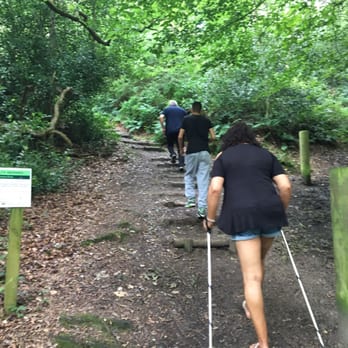
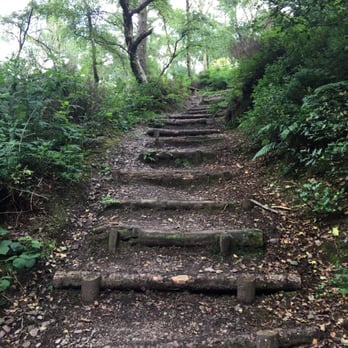


Today I went on a volunteer day with my colleagues from work as we are meant to do one community/ charity day each year. I arrived at 9.30am ahead of our 10am start and there is plenty of parking in the visitors carpark. The park rangers are really organised and usually have a team of people helping out on a regular basis. There were 10 of us so the ranger explained what we would do. We worked opposite the visitor centre in an enclosed area. She told us the various tasks we could do and went through the health and safety of using the tools. Most of us ended up spending all day in the bunker they had found covered in soil etc and other corporate groups had started to dig out. After knowing a competitor company had done so much of it, it spurred us on to finish it!! Lol We dug out soil and rubble, well I shovelled it in to the wheel barrows. I tried moving one and it wouldn't budge lol it was funny! It was a lovely hot day!! We did bring refreshments but they do supply hot water so we had tea and coffee during our break. We shared out our biscuits etc with the other group. If you are looking to do a group or corporate team building or volunteer day you should consider this as they are well organised. They do say don't leave anything in your car or don't open your boot and show that you are putting anything in as it is known that cars been broken into. I did open mine to put shoes in and did have bag of things in there and did worry bout it. But few colleagues went back to their cars to get stuff and didn't report any damage. They do have a room where you can lock stuff in but I recommend not to take and leave valuables in the car! read more




14 years ago

14 years ago


14 years ago
For the most stunning views across the whole of Birmingham take a trip up the Lickey Hills. Ever since my first visit on a school trip as a nipper this place just gets better. Popular with dog-walkers, runners, ramblers and site-seekers, you won't be disappointed with whatever you visit for. The area is steeped in history and there are plenty of plaques with information on from which to educate yourself. It's easy to turn a visit here into a whole day out, I've often taken a picnic to enjoy with a group of friends on a hot summers day, or on other occasions I've taken advantage of the various pubs and coffee shops dotted around. Parking is free so a urge you to get out and enjoy this spectacular venue. read more


17 years ago
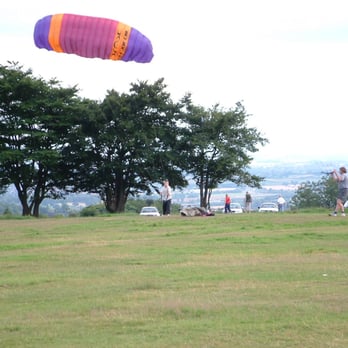
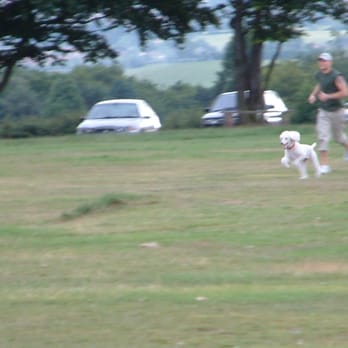
This place is beautiful. Surrounded by greenery. You can view Birmingham city from top of the hill. Car park is free. Its nice place to have a nice walk along the track and admire the nature's beauty. Good place for dog walk, kiting, and for taking good photos of the panoramic view of birmingham city. read more



14 years ago

14 years ago
More info about Lickey Hills Country Park
Review Highlights - Lickey Hills Country Park











Why does Yelp recommend reviews?
2 reviews that are not currently recommended
The reviews below are not factored into the business's overall star rating.

14 years ago

11 years ago