Cancel
Open app
Search
Sign Up
Log In
Nearby
Bookmarks
Start a Project
Add a Business on Yelp
Add Review
Call
Directions
+7
Start your review...
Get app
7 years ago
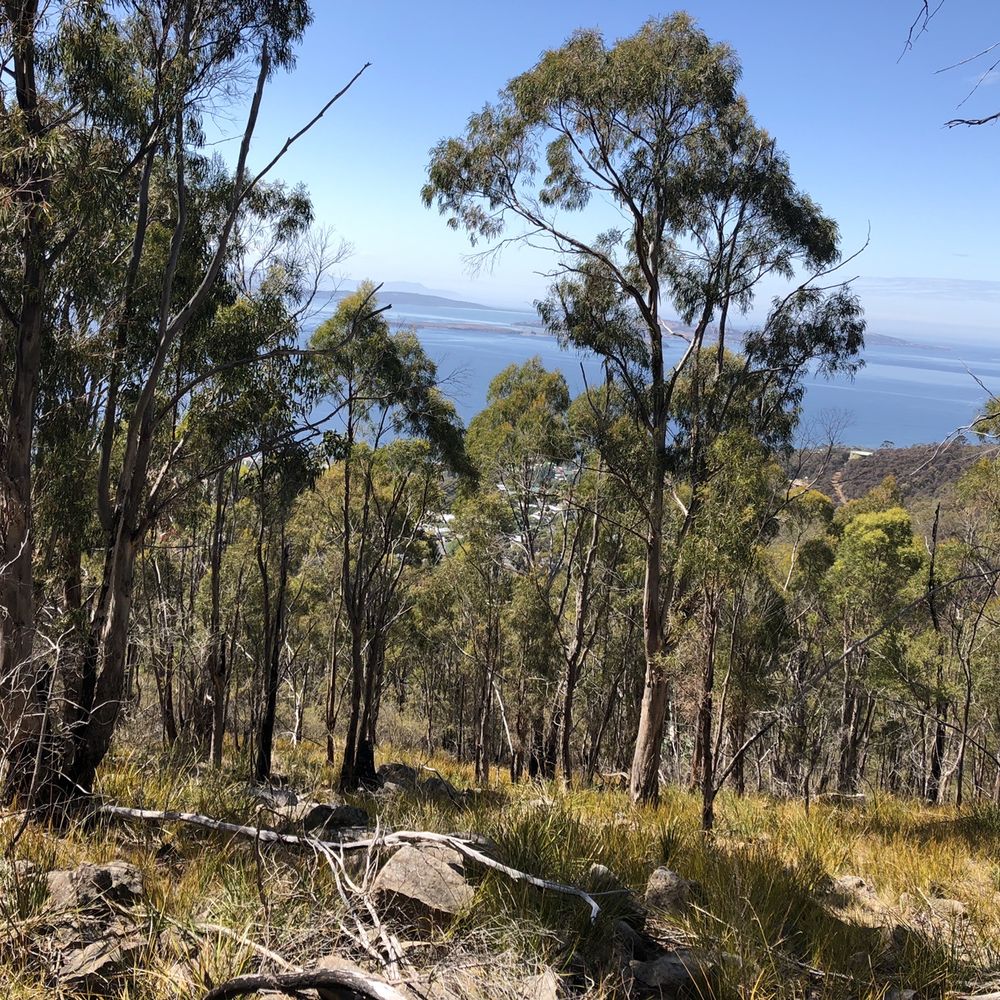
Average hike up but views are stunning. There are loud birds that are freaky. You can take public transit which is nice. Value 5/5 Atmosphere 4/5 Service 3/5 Quality 3/5 15/20 read more
See all
Nelson Rd
Hobart Tasmania 7007
Australia
(03) 6230 8233
Call Now
Hours
What time does Mount Nelson Lookout open?
Mount Nelson Lookout is open 24 hours on Monday, Tuesday, Wednesday, Thursday, Friday, Saturday and Sunday.
What time does Mount Nelson Lookout close?
Mon-Sun Open 24 hours
It's a giant tower! Lots of steps to the top and if you…read morecount them correctly you get a 'prize'. New owner is a huge Doctor Who fan and is refurbishing a Dalek to go in the tea rooms! He also sells Doctor Who merch in the shop at pretty good prices.
This site was our first introduction to the time when convicts were "exported" from the UK as part…read moreof the punishment for their crimes. Cascades Female Factory was sold off and mostly dismantled after it closed down. The government had to purchase back most of the property and return it to the original state to open the site for historical visits. We took bus 446 (free pending the outcome of the US-Iran war) from near our hotel and it got us there in around 15 minutes. There were two guided tour options offered (1) Notorious Strumpets and Dangerous Girls which was focused on specific women's stories and (2) Convict Women's Tour which provided an overview of life, hardships, conditions and more inside. Each focused on different parts of the factory so it was best to arrive at least 30 minutes early or stay after the tour to see the part of the factory not covered in the guided tour. Good signage were posted throughout the site along with many individual profiles of the women convicts. There wasn't much to see (mostly walls, building outlines and one original home) but the tour guides brought the history and the stories of some of the female convicts to life. Very harsh living conditions, extreme penalties, abuse and heartbreaking separation from the children were conveyed throughout the tour. Well worth a visit if you have time in Hobart. If you have the Port Arthur Historic Site Ticket of Leave (housed the male convicts) then you can visit this site for free.
This UNESCO World heritage site is the best place to connect with a lesser known stories of…read moreAustralia's female convicts. The story is told through bios and artifacts of the displacement, mistreatment and forced migration of convict women & girls, and their contribution to colonisation throughout the history of colonial Australia to the present day. On the journey women were divided into 2 groups depending on their behavior. The class system regulated clothing & jobs of the women while in the factory. The more trustworthy women were employed as cooks, task overseers & hospital attendants. Second class convicts made clothes for the establishment and prepared & mended linen. The crime class was sentenced to the washtub, laundering for the factory, the orphan school and the penitentiary; they also carded and spun wool. All of these tasks were subject to change at the discretion of the Principal Superintendent.
Matron's Home - the only original structure remaining
One of the women's profiles found throughout the site
Recreation of the solitary confinement cell
Battery Point is a historic waterfront suburb in Hobart, Tasmania, known for its colonial-era…read morecottages, narrow lanes, and close proximity to Salamanca Place. It sits just south of Hobart's CBD and is considered one of the city's most charming and well‑preserved neighborhoods. Gayle and I were here doing our recent visit to Hobart. It was named after an 1818 gun battery built to defend Hobart, now Princes Park where we started our explorations. From there we walked into the neighborhood, featuring Georgian & Victorian architecture -- tightly clustered sandstone and weatherboard cottages dating back to the early 1800s.
Brands by name
Articles by date
We passed beautiful wineries & sheep cheese farms on route to Richmond. This charming old historic…read moretown was filled with restaurants, coffee shop & charming handmade gift shops. We enjoyed wandering around on a beautiful Sunday afternoon. You have to love a town that has free clean restrooms, lots of free parking and even free Wi-Fi. Perfect!
This dock is basically for the two Mures fish restaurant and some fishing boats. Not much else to…read moresay about it, as it is otherwise uninteresting. I dined at the upstairs Mures restaurant, which was excellent.
Brooke Street Pier is a unique, four-story floating building and ferry terminal located at…read moreSullivans Cove on Hobart's waterfront. Completed in 2015 for approximately A$13 million, it was Australia's largest floating structure at the time. It serves as a major "tourism transport hub," most notably as the departure point for ferries to Mona (Museum of Old and New Art). Gayle and I wandered through during a morning walk along the Hobart waterfront. I came out with a nice Huon Pine Magnet from the good folks at Tiger Ina Papera Unique Woodcraft, who also has a gallery in the Salamanca Art Centre.
Pier has restaurants & pubs in the evening. During the day local artists, winemakers & distillers…read morehave tables with their wares. But tonight we saw people looking like pirates preping an old ship. From what we read this historic ship is traveling around Australia & will be back next year. Colorful!
Based in the original New Town Post Office. This is a unique space in Hobart. Combining, art, hand…read morecrafts, art, paintings, jewellery, books, furniture, and art classes and so much more. Not only that it's a massive space with a first floor as well, with numerous rooms filled with local artists pieces. Even a room or 2 for meetings? Specialised Art classes out the back of the original post office in another separate building as well. Oh did I mention they do food as well? Open early (7:30am!!!) for coffee and more their hours seem to be far from consistent. It might be an idea to define far more consistent hours IMO. The menu is extensive and we only had pizzas on our visit. We will be back for sure. They do sandwiches, cakes, scones and so much more. Haven't had a coffee there and let's hope it's good. Early days yet and the concept is great. Let's hope it works!!! They deserve everyone to vist and the locals are already embrassing it.
The Denison Canal a historic 895-metre human-made waterway opened in 1905, connecting Blackman Bay…read moreand Norfolk Bay to allow safe passage for vessels between the east coast and Hobart. It acts as a shortcut, saving roughly 24 nautical miles, and features an electrical swing bridge operated for local traffic and leisure vessels. At Dunalley and the canal, our tour group was able to see the unique canal swing bridge in action before we noticed the scars that remain from enormous fires that raged through the area for days in January 2013 razing over 50% of the town leaving devastation in its wake. Australia often suffers from boom and bust, flood and fire. This season being no different with huge bush fires in NW Victoria and the current floods across the country covering a land mass the size of Texas. The internet sensation Neil the Southern Elephant Seal however has clearly enjoyed the rebuilt town and is often seen stopping traffic and causing general havoc on his occasional visits.
It's the best corner shop. they stock a large range of products and have a fantastic range of…read morequality bread.
Welcome to your local corner store slash newsagency slash post office! West Hobart Express is a…read morelittle from each column, and means it acts well as an all-in-one for a weekend run. It's a little pricier than a normal grocery run but perfect for ducking into for some milk or bread, and there are often some fairly excellent specials bins that feel a bit like a lucky dip. The staff are super lovely and the store is open until 8pm seven days a week, including the post office bit. Remarkable.
One of the most iconic landmark associated with Tasmania was the Port Arthur Historic Site. After…read moreoriginally being sold off after it shutdown down the government has repurchased then renovated some of the historic buildings to recognize Australia's convict history. The parking lot was free and plentiful over three rows plus an overflow lot. The visitor center was modern and contained sit down and casual restaurants, gift shop and the museum. Here they sold all the tickets and guided tours. Every ticket included a cruise around the bay and to the Island of the Dead and full access to the site. The museum itself was small but packed with artifacts, history and profiles of those incarcerated or oversaw the prisoners. A good introduction. Talks were scheduled throughout the day at different buildings and lasted for a few to 20 minutes or so. All except one was well worth catching and all were free. Those definitely helped since we didn't pay for a guided tour. We wandered the ground at our own pace with roughly half restored while the other half just the shells. My recommendations on what to see would be the Commandant's House, Penitentiary, Asylum's Prison, Government Garden and Separate Prison. Tickets were valid for two consecutive days so that added flexibility to our visit since we stayed overnight in the area.
With the assistance of our guide Rob, we unveiled the dark past of the Port Arthur historic site…read morevisiting the site of the mill and tiered prison (Level 1, 2 or 3 convicts) and the horrific separate prison before a ferry to Point Puer and The Isle of the dead rounded out the story of Port Arthur (1830 through to 1870). Robs incredible knowledge base and ability to make Port Arthur come to life and reflect on its impact at the time and since was amazing. His explanation of the conditions that existed in England via industrialization of London, Manchester and Birmingham and the 4 main cogs of control - Religious coercion, Punishment, Separation and classification and industry and training utilised to control the prisoners was particularly enlightening.
When I planned to do this adventure cruise with my wife I was in dilemma about which touring…read morecompany to choose but a simple call to Kevin from this company sorted it all for us. I chose the full day tour from Hobart including Tasman island adventure cruise and Port Arthur historic site. You are picked up in a small tour bus from Hobart and taken to their booking office in Eaglehawk Neck, Arthur Hwy. Here you have to make your payment for the cruise, they have a deal running at the moment where buying of 1 full trip ticket will get you the second ticket at 50%. You can have your breakfast here (I suggest otherwise if you have the tendency to throw up on boats). You are provided with wet suits which is a life saviour if the sea get rough and some ginger root tablets to help your stomach adjust to the waves. You are joined with the rest of the group who decided to drive their own from Hobart and taken on a bigger bus to the jetty. Here you meet skipper Craig who is just great behind the wheel. You make your way to as the website suggests "NEWEST and ULTIMATE 4WD of the SEA". This baby can surprise you at times with the power of its Yamaha engines. The 3hr cruise is the best experience if you are not a frequent one on the sea. I had an amazing time of my life on that cruise and we even spotted a humpback whale. If not anything you will surely see some seals who are seen often on the coastline. The amazing features made from dolerite and sea stacks such as candlestick, the totem pole and cathedral rock is a treat to the eyes and added to that the journey into carved caves will stay in memories fora long time. After the cruise you are back to the blue seal cafe where your pre-booked lunch is served. Kevin had taken special care to get our meal specially prepared by his chef as we are vegetarians and had indicated this to him during the time of booking. After that we'll deserved lunch you are dropped off at the Port Arthur historic site where you can look around and enjoy the scenic beauty and history associated with this site. There is an entry fee to this site which your covered in your booking. You are the collected from there for a trip back to your accommodation. All in all this is a great package, Kevin, Roshan and the rest of the staff are just a great bunch of guys and this trip will be in the list of my most memorable adventure trips ever....
Awesome gorgeous coastline and they do a really good job with the tour. It's nice that they do it…read moreone way and bus back or else it would be a long and choppy boat ride back. And really nice that they rotate lots so both sides of the boat very a view. They are also very conscious of and helpful to people with sea sickness. Only wish is that they would add Cape Raoul on to the tour.