Mt Samat National Historical Monument Photos



Recommended Reviews - Mt Samat National Historical Monument
Start your review...



7 years ago

10 years ago
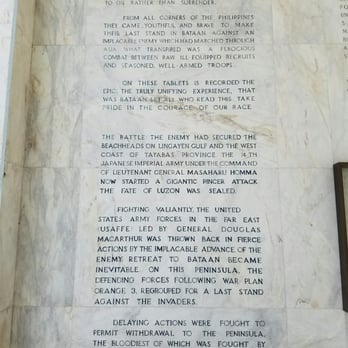
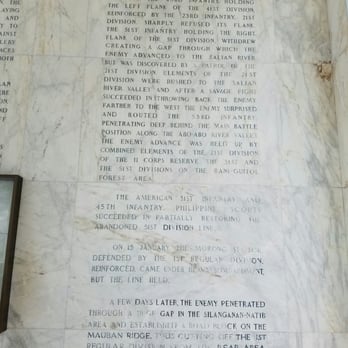
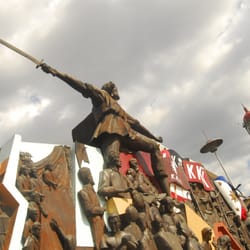
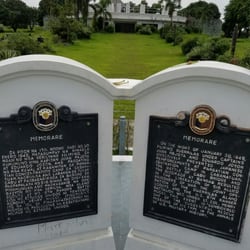
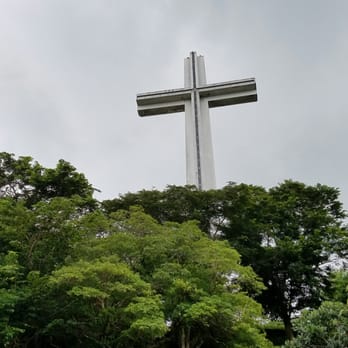
Found atop the mountain of the 20th kilometer mark of the Bataan Death March is a large cross marking this National Historic Monument. This was the site of one the most vicious battles during the last days the American and Philippine forces attempt to hold off the Japanese invaders. I spent the day touring the lower peninsula of Bataan. I envisioned the area as one great battlefield, similar to that of Gettysburg. Battles upon battles were won and lost which eventually led to the full surrender of the American and Philippine forces as they found themselves trapped in Bataan peninsula surrounded by the Japanese. Today sits a monument describing some of the battles and providing a glimpse of the significance of that loss. It marked the beginning of Japanese occupation and the end of American presence in the south Pacific. There's a museum that shows a history of the war in the Pacific. It does not filter the atrocities that took place during the war. I highly recommend if you ever have the opportunity to make it this far. Spend extra time in the museum and absorb everything it has to offer. This place holds a great significance in my family history. Having a Grand Father that was the first Americans stationed in the Philippines under T. Roosevelt 1st Cavalry. A father who was part of the American Forces fighting side by side with the Filipino guerrillas and an uncle, a survivor of the Bataan Death March. I was struck with awe at the sight of this place. Seeing firsthand and combining that with the stories I had heard of the war growing up from the very people that lived it. It was enough to bring me to tears. read more