NAS Miami Pan Am Seaplane Base Photos


More like NAS Miami Pan Am Seaplane Base
Recommended Reviews - NAS Miami Pan Am Seaplane Base
Start your review...



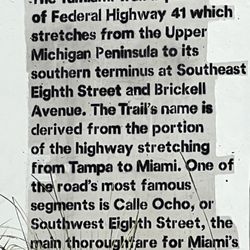
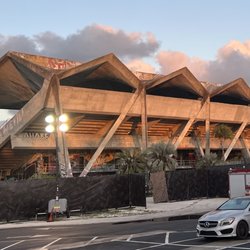
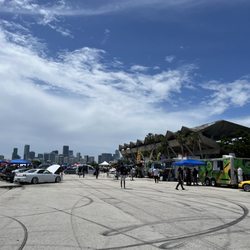
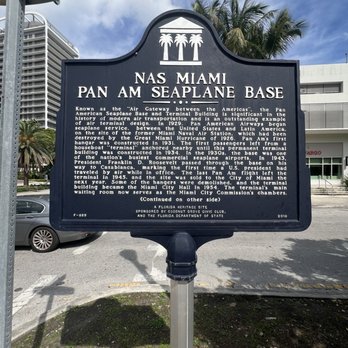
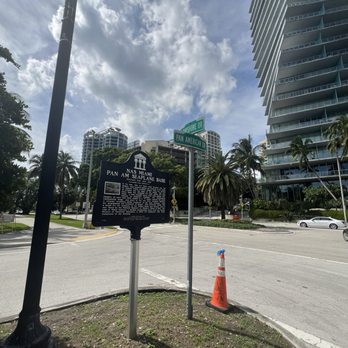
The Florida Historical Marker Program is one of the Division of Historical Resources' most popular and valued public history programs. It raises awareness of Florida's cultural history while enhancing the enjoyment of historic sites for residents and tourists. The blue historic markers tell the stories of the people and places that were important to Florida's history and they can be found in front of churches, schools, roads, archaeological sites, battlefields, and historically important buildings. I discovered this historic marker in the median across from Regatta Park on Dinner Key in Coconut Grove. Through the years Dinner Key was used as a base of operations for the U.S. Navy, Pan American World Airways, and the U.S. Coast Guard. During WWI Dinner Key was used as a Naval Air Base. In 1929, Pan American Airways began seaplane service from the United States to Latin America, on the site of the Miami Naval Air Station. The first passengers left from a houseboat used as a terminal. In 1931, Pan American World Airways built their first terminal. In the 1930's this was the one of the nation's busiest commercial seaplane airports. This Art Deco style building was constructed in 1934 as the most modern marine air terminal in the world with both air and land views. The entry drive with median was designed to look like an airplane's fuselage while the angled maintenance hangers on each side represented the wings of a plane. In 1943, President Franklin D. Roosevelt became the first President in office to travel by air when he passed through the base on his way to Casablanca. The last Pan Am flight left the terminal in 1945. In 1975 the terminal was added to the National Register of Historic Places in 1975. The City of Miami received a historic preservation grant from the Florida Division of Historical Resources in 2007 for assistance with their restoration of the building. The site was sold to the City of Miami in 1946. Miami City Hall that was created from the Pan American terminal in 1954. The terminal's main waiting room is now the Miami City Commission's chambers. One of the Pan American hangers was turned into the Dinner Key Auditorium where Jim Morrison of the Doors was arrested in 1969 for indecent exposure. Today three of the four Pan American hangars are used for boat storage and Dinner Key is now a marina. read more