
Rote Flora Photos


Recommended Reviews - Rote Flora
Start your review...


11 years ago
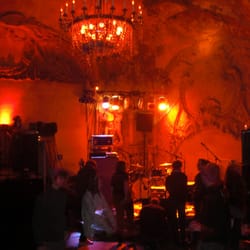
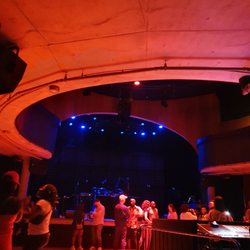
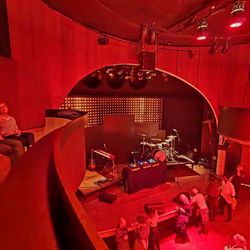
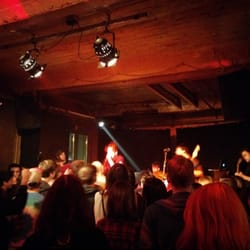
I had so few expectations of this place. I'd walked past this graffiti-clad monolith before and was pretty convinced it was a smack den. So imagine my surprise when a band from back home came to town and announced they were playing a show there. What I found was a phenomenal space for music and art in general. Surprisingly decent acoustics, awesome DIY setup, cheap beer, relaxed door policy (feel free to pop in and out, check out the bowl outside if the weather's nice), cool staff happy to put up with my broken German...the whole place just had a great vibe. The fact they wanted to knock this place down is crazy. This place is nuts. read more


18 years ago
The Rote Flora is, in my opinion, a must-see when you come to Hamburg. Even though it's in the Schanze area, it seems to be tied with the Kiez as half of the cultural heart of St. Pauli. The place is basically the centre for left-wing politics and also anarchists. It's where the yearly riot happens, with the nearby Haspa bank getting continually destroyed. It used to be a theatre, but now you'll find practice areas for bands, a café-type-thing and a dirty dirty electro club. I still haven't been for one of the club nights, but I really want to. It's pretty high on my list of things to do in Hamburg read more


15 years ago
More info about Rote Flora
Schulterblatt 71
20357 Hamburg
Germany
Sternschanze
Directions
040 4395413
Call Now
Visit Website
http://www.rote-flora.de
Hours
Food & Alcohol
Indoor Amenities
Outdoor Amenities
Other Amenities
Rote Flora Reviews in Other Languages


















Why does Yelp recommend reviews?
8 reviews that are not currently recommended
The reviews below are not factored into the business's overall star rating.

19 years ago

12 years ago

12 years ago

10 years ago

12 years ago

15 years ago

13 years ago

14 years ago


