Tate Modern Photos


Recommended Reviews - Tate Modern
Start your review...


Reviews With Photos


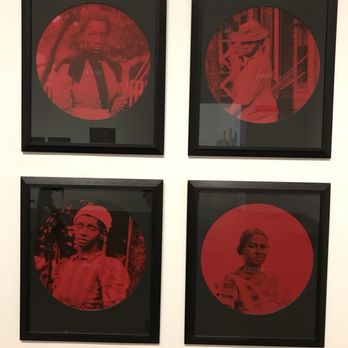
Partially free, certainly worthwhile. Spent about two hours speed running through the highlights at the Tate. I really loved seeing The Fountain (Marcel Duchamp, replica). We talked about the ready-made era SO much in my art history classes. Cool to see. The pop art section featuring the Guerilla Girls was also super interesting, with lots of content topical to me as an American. It was quite crowded the day I was here. Something to keep in mind. A quiet museum can be really magical. There were a couple of specific sections that were new shows that required a ticket. There is plenty to see to spend a few hours here that's free, though.


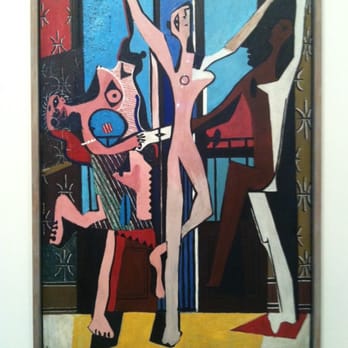
I confess, I don't really have a refined appreciation for modern art. But I did want to visit the highly rated Tate Modern and see the Picasso exhibit. The Museum is huge with an industrial feel. Security quickly inspected my bag and there was no admission fee. The museum does request donations and maps of the exhibits are available for £2. The entry way is massive. We found a large gift shop near the entrance. We wondered through several exhibits of sculptures and fabric art. We did a lot of walking before we saw art. The volunteer staff is friendly and normally runs tours, but they were short staffed during our visit so there were no tours. We finally made our way to the Picasso exhibit and there was an entrance fee but we didn't know or purchase tickets in advance. Dang, what was I thinking? There is a cafe at the top of the building where you can sip wine and enjoy views of the city (if you are lucky to get seat). We left a bit disappointed but happy to at least experience the museum.


The first museum we visited on our trip to the UK. The modern art stretched our minds and made us think, but I admit some of it was beyond my understanding. The African and Persian artists were some of my favorites. There were a couple of galleries (which talked about and showed horrific death from human trafficking) that we stopped our younger child from entering. Would be happy to return.


Absolutely free ! If you have time, check it out. Small security check upon entrance. Floors were well marked with free areas and paid exhibits. I'm not a huge fan of modern art, but there were sone interesting pieces. Some not so interesting. There were plenty of seated areas, restrooms, souvenir shops, and a museum restaurant.


Tate Modern is a FREE museum along the Thames River. You can easily walk in without a reservation, making it a potential victim to overcrowding. This art gallery features a collection of national and international works of arts that are modern or contemporary. Honestly, that's my least favorite... However the rain was coming down and it was a FREE activity that was convenient to our plans.


If you're a fan of modern/contemporary art, the Tate Modern is definitely for you. (The National Gallery is where you'll find the classic/historic art.) The Tate Modern has pieces that are truly modern, like created within the past few years - but also has some classic "modern" artists like Roy Lichtenstein, Matisse, Picasso, Judith Rothschild, Degas, and Kandinsky. Those are the big names that you will find, but there are hundreds of others to discover, including paintings, sculptures, interactive experiences, murals, and more. The Tate Modern is free to visit for most of the museum pieces. When we visited (Fall 2024), they had a paid exhibition of Expressionist works, which many of the more modern pieces were housed in. I think that was cool, but the paid exhibits are definitely not cheap for non-members, so sticking with the free exhibits is definitely an okay way to visit the Tate. If you're a London resident, or visiting for a long time, it may be worth it to get the Tate membership because you get free access to any of the limited time exhibits. The Tate is definitely worth a stop for a few hours or more when you're in London, especially if you are a big fan of modern art. There is a ton to see and experience - and best of all, it's free!


As an art lover, London can be overwhelming with its endless offerings. After several trips to the ornate grand buildings of classical architecture filled with paintings from the Renaissance and Victorian eras and beyond, the stark, Brutalist Tate Modern structure full of challenging works from 1900 to now is the must go to reset. The free museum (special shows have admission fees) is astounding. Plan to spend at several hours. The industrial concrete floors mean comfortable shoes and frequent rest stops should be part of the plan.


I have been to countless museums in my day, and I can say without a trace of exaggeration that this is the biggest and best art museum I have ever been to. Housed in the former Bankside Power Station and opened in 2000, the building itself is remarkable and a stunning achievement in urban redevelopment. But the art housed within is truly next level. So much to do inside, so much to see, one could easily spend an entire day there and still barely scratch the surface. The good news is it is completely free (though donations are solicited and of course gratefully accepted, and certain exhibitions require a purchased ticket). They are also family friendly. I was there with my girlfriend and ten-year-old son, and a museum docent let me know about a free family tour starting soon. There was also a large play area for little kids with sculptures and art installations built just for them. We only stayed about two hours, but I could have happily spent more time. I will definitely return on my next trip to London and will recommend this as a must see for any visitor to the city!


If you've an afternoon free, Tate Modern is a good choice to leisurely while away a spare hour or two. The museum offers many hours of free entry to the public. Nice touch for locals or families needing low-cost outings. The souvenir shop was colorful and held a great assortment of nick-knacks, books, some apparel, art supplies, and more. Children are definitely welcomed and areas are set up for supervised play. Schools can connect with organizers for more in-depth planning. If you should tire of looking at modern art, there is also a lovely cafe in the upper corner of the building with a fantastic view of landmark or two across the Thames.


10 years ago

The Tate Modern is a place of exquisite beauty. I will unapologetically write this totally fanboy review. Comparisons with other modern art museums like MoMA in New York are inevitable, but whereas the others may sometimes have more on display, I have always found the Tate to be dare I say it better curated. And this should be a must-visit destination for any tourist visiting London and the whole setup with the Millennium Bridge going across the river, and into the gigantic exhibition hall in the building is a fabulous experience. Admission is free but the Tate will charge for special exhibitions. read more


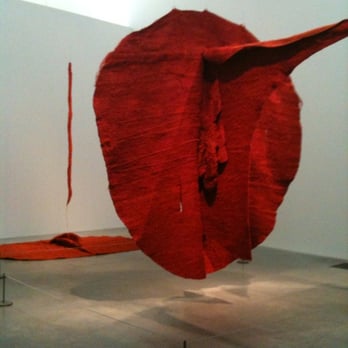

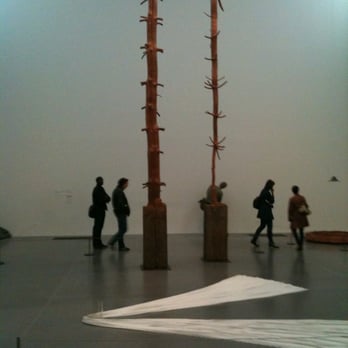


I'm not a fan of art work, so this may be biased, but I was not too impressed with this museum. I spent just over an hour walking through the free exhibits since the other ones were rather expensive. A couple artists did have an impressive display. But a lot of others did not seem interesting to me. There were also some displays for mature audiences. Like an odd computer animated video about sex chats. The upstairs viewing area is great to see the city. Don't skip that. It's free! If I didn't make it here on my trip, I wouldn't feel like I missed any thing important to trip to London. On the plus side, nice free restrooms and the design of building fits very well with the type of art they have. read more


17 years ago
I visited London, November of last year and despite the rain, I was determined to see the city by foot. I was strolling along the bank, shoes and knees soaked, bladder about to burst when I saw Tate Modern. It looked like a big warehouse from the outside and when you get closer, the grayish/brownish/bare building starts to brighten up from Andy Warhol's huge and loud banner. Inside was even louder. It was a multi-level museum which had a vast amount of collection of contemporary modern arts. It has has that MoMA or MoCA or Mingei (local San Diego museum) feel but larger. Most of the exhibitions were free. This place can be packed because it's free. Lots of students. Definitely worth visiting when you're in the city. read more


Probably one of my favorite places in London to hang out. The exhibitions are smartly set and you will find them stunning even if you don't understand contemporary art. Some artworks are classic ! The second and fourth floor are free, but I'd advice you to check the other exhibitions as well as they are stunning at the moment !! read more

16 years ago
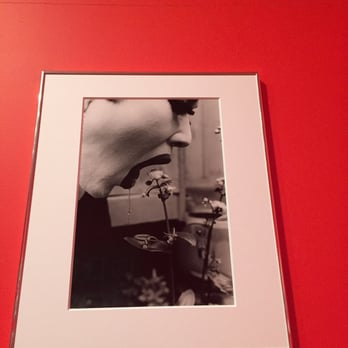
I absolutely love this place. It's my favourite gallery in London - and, honestly, in the world (I find it even more fascinating than the Louvre!) The place's great architecture and location aside, I love post-modern art specifically, and the Tate has some of our generation's best pieces (including works by my all-time favourite rabble-rousers, the Guerrilla Girls). Sparing any other commentary already given in other reviews of this awesome gallery, there's two other things I love about this Tate. a) the vast majority of it is free - enough to spend an entire day browsing and getting inspired without having to pay anything. The paid exhibits are good too - but definitely not necessary. b) it has two really great gift shops with awesome book collections, postcards and posters, and oddities/gifts/gimcracks of every kind. Definitely a must for every artist and post/modern art lover. Galleries like this one are what makes me proud to be an urbanite. read more


14 years ago


8 years ago
Interactive galleries, impressive works of art consistently on display, and the occasional rare pieces like that of Mondrian or even Dali are here. This gallery has a modern focus so if you are looking to avoid family crowds and tend to lean more towards a sophisticated art display with little physical interaction with the artwork, check out the national gallery instead (they have pieces by Van Gogh and more) if you have children, the Tate is your place, they even have an indoor swing set on display at this time! read more
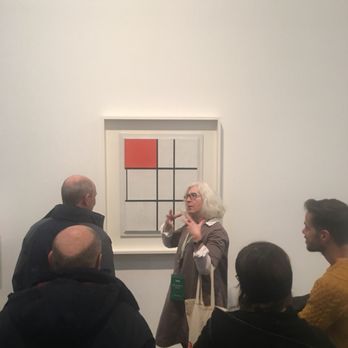


The Tate Modern is a cool museum. Even for a non-art aficionado like myself. Atmosphere - Big, industrial, modern, hip, cool...artsy (ha!) Inside - The works of art are located on several different themed floors of this former electrical power generating plant. The art is international modern and contemporary. The ground floor is an ever changing exhibit. On my inaugural visit to the Tate, the first level where the temporary exhibits are located was curtained off as they were installing a new exhibit. When I came back, I noticed they did a poor job in the installation process, as they left a huge crack in the floor!!! (ha.) Seriously, the place is great! It has everything from Monet's Sea-Roses to a big crack in the floor. Price - Most of it is free!! Donations are encouraged and paying for the other levels is definitely worth it. Overall - I have been here twice and will go again the next time I am in London. read more


11 years ago
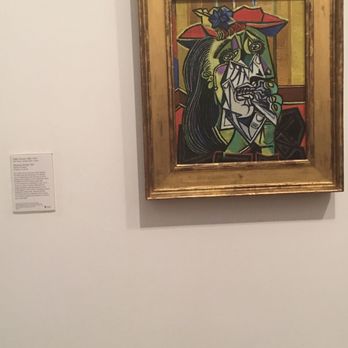
A very spacious art gallery with a fabulous collection of artworks, sculptures, interactive art and many other things to suit everyone's tastes. On our visit (22/07), I particularly liked the communist propaganda prints and Picasso's works on show, namely the "Nude Woman with Necklace". Another highlight was definitely the amazing gift shop. They sell a wide range of books, art prints, cards and stationery. I picked up an Andy Warhol print of Marilyn Monroe (have secretly always wanted one), plus a few gifts for family and friends. Highly recommend if you enjoy art and are in the area. read more


18 years ago
This is one of the most amazing museums I've ever been to. They were having a street art display on the building which meant huge graffiti paintings all over the outside of the building. They have all sorts of different art that would satisfy anyone. The multimedia pieces with video were some of my favorite, along with the Jackson Pollack's and Monet's Waterlilies. I could believe that you could walk right up to these amazing works of art. And of course the best part is that it's free! Yes, they do have exhibits that you can pay to see, but most of the museum is free to walk around in. You could spend more than 1 day here and still not see everything. Amazing! read more


12 years ago
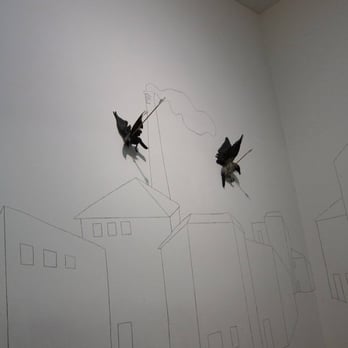
This was my favorite museum in London. One of the best things about being a tourist in London is that a lot of museums are FREE! And I came across this museum on accident because I wanted to see the famous Harry Potter bridge where the dementors flew by in the movie. You can easily see that bridge from the museum. The museum itself is huge and you can easily lose yourself in this place for hours! I think I spent at least 2-3 hours in this place, just examining all the modern art pieces. They also have really cool live body art, where humans act out stuff and you watch them from a bird's eye view. I definitely would want to come back here if I am ever in London again. read more



18 years ago
There is so much to say about The Tate Modern. It's possibly one of my favourite places to visit in London on a rainy day, a sunny day, solo, with friends or a partner. I love it! This is the place to be if you are a culture vulture and art fanatic. There's a veritable feast for the eyes from the outside in - the most impressive thing that hits you first is obviously the building but when you step inside... wow! The Tate Modern is a huge, huge building. There are floors and floors of art, a super cool book shop and also has a cafe and a restaurant. So first... the art! My favourite exhibition at The Tate was the Edward Hopper exhibition - one of my favourite artists! All of his best pieces were on display and, despite how busy it was, I really enjoyed it. There's something really atmospheric about The Tate, which adds to the depth of each exhibition. If you want to save your pennies though, you can wander around the free exhibitions on offer. You can view everything from expressionism, impressionism, post modernism and the avant-garde. You could spend hours and hours getting lost in art. Once your done with the art, the bookshop is the next stop. There are tonnes of books on all the artists and movements exhibited at the gallery. There are also postcards, key rings, stationary and "art on demand", whereby you can order any poster you want from the shop database. Awesome! Now, my favourite part - the food! I've eaten at the Tate Cafe, which is situated by the entrance. The day I came here, I was quite happy to eat on my own. This was a solo trip, as I had nothing to do that afternoon. I had a beautifully fresh mozzarella ciabatta. The price was, however, a little too high for me to fully enjoy everything the cafe had to offer but I still had a great lunch! Whether you are a London local or just a visitor, you need to visit the Tate Modern, it's so much fun and has layers and layers of art and photography and little nooks and crannies that will hold your interest for hours on end. read more


You can see why the Tate Modern is the most visited modern art museum in the world just by walking around inside for an afternoon. Large, vibrant spaces with lots of color, inspiration and creativity abound. The special exhibitions are particularly compelling - both the Alighiero Boetti and Yayoi Kusama exhibitions are absolutely fantastic. I highly recommend them both. read more
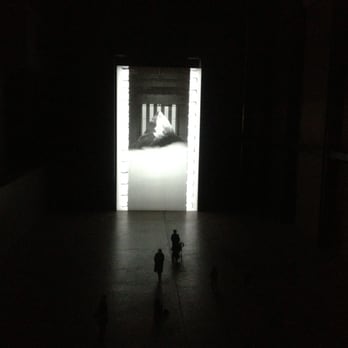
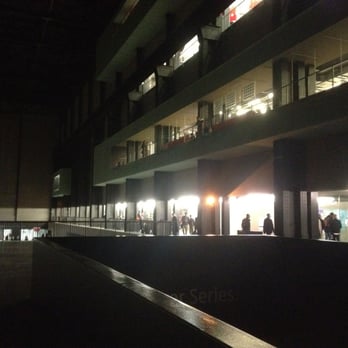


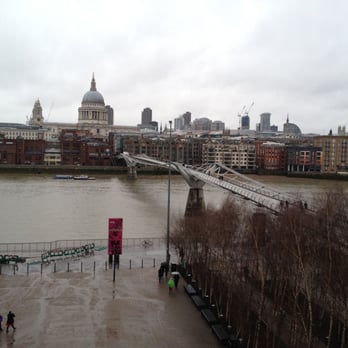

14 years ago
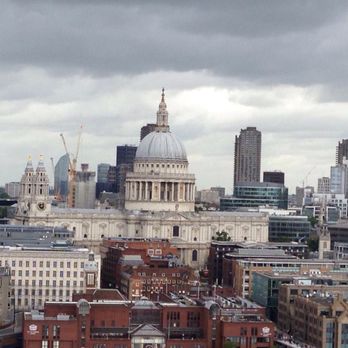
Over the years Ive been blessed with the opportunity to travel and whenever I do, I always seek out the art & architecture that each city has to offer. In a city like London where seemingly everything is expensive, I appreciate all the free museums, particularly the Tate museums. The Tate Modern is perhaps my favorite modern art museum in the world. It has been known to be a bit controversial as many of the pieces it houses are misunderstood or flat-out disapproved of by the public. I guess an argument can be made that "Beer Can Wrapped in Kleenex" is borderline... But overall, the collection is fantastic. And, it's a photographer's dream. I enjoy a museum with a lenient photography policy. The space itself is quite amazing too--the perfect setting for a modern art museum. I believe the building was an old power plant. You get that feeling as you are in the main foyer area where you can see all the way to the ceiling. It also offers great views of the surrounding Bankside area from the upper levels where you can see St. Paul's Cathedral across the Thames River. Pros: Located near many other attractions, great views, awesome collection, layout and interior are fantastic, it's FREE Cons: Some of the modern art might be a bit too modern for some people's liking, gets busy at peak times read more


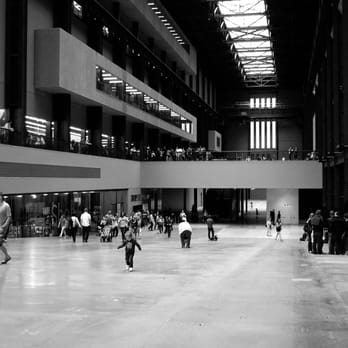

One of the largest modern museums in the world, the Tate has a diverse range of modern art from artists around the world. The museum is free, but you must pay foe the special exhibits. All in all, I would say this is a must see for those traveling to London...especially those on a budget looking for a free activity! read more


18 years ago
I had been here years ago when it first opened but was too overwhelmed by the size of it then. I went back on my own yesterday which was so much better because I could take my time and skip things I wasn't interested in. The place is really well laid out. On the riverside entrance level is the shop, cafe and a small gallery space. Then on the next level is the Surrealists and Post-war U.S and European painting. The next level is for temporary exhibitions which at the moment are Cildo Meireles (£8 adult) and Rothko (£12.50 adult). Above this floor is the most outrageous modern art of the collection, so if your not crazy about modern art I wouldn't go past level 3! Up here there is cubist works by Picasso and Braque, Futurists, minimalists and conceptual artists. The cafe on level two has completely glass walls and is a lovely place to people watch along the river bank on a Sunday. When you enter on level two make sure to take a look over the balcony to the lower floors where you have an aerial view of the large instillation exhibitions downstairs. This is one of my favourite galleries in the world and have not a single bad word to say about it! read more


18 years ago
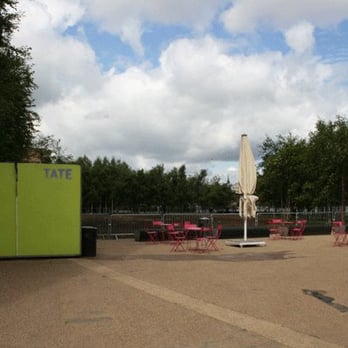
I once had an eccentric art teacher in New Zealand insistent on keeping her students apace of the building of the Tate Modern gallery in London, and rightly so. This extraordinary gallery, designed by architectural powerhouse Herzog and de Meuron, is the primary destination for modern art lovers in the capital. An expansive, beautifully designed space flooded with light and filled with some of the twentieth century's most significant art, Tate Modern is that rare thing: a wholly accessible art gallery with not an ounce of pretension. I think it was when I was 'tsked' by one too many yummy mummies at the Tate Modern's stuffy sister, the Tate Britain, for deigning to step in front of their push chairs to see some Impressionist masterpiece, that I fell out of love with that particular outpost of the Tate brand. Indeed, in comparison to the sometimes detectable elitism of Tate Britain, Tate Modern is, it feels, accessible to everyone. A great beacon of populism with its clearly themed wings and plethora of entrances, its relaxed atmosphere, and, like all public galleries in the capital, its free entrance. For all that and more, Tate Modern is my favourite London gallery. Period. read more


18 years ago
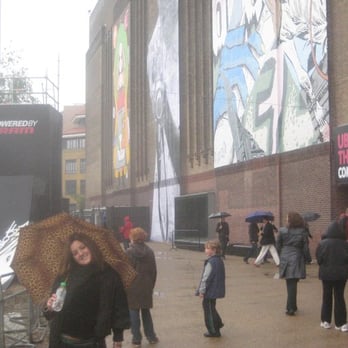
The Tate Modern is THE place for Modern Art in London. Set on the Thames, its is an absolute must-see for visitors and citizens of London! There is an ever-changing parade of exhibitions, while their permanent collection is a solid range of contemporary pieces on an international scale. They also have really quirky things on - last time I was there checking out the Street Art exhibition there was a choir parading through the gallery and then singing a range of songs in the massive auditorium while people crowded the mezzanine and floor levels to check it out. Just another day at the Tate Modern. Amazing. read more



18 years ago
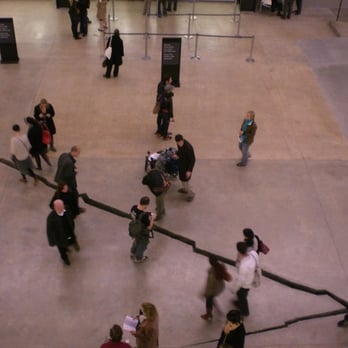
The Tate Modern is the best Modern Art institution in Britain. Located in an old power station alongside the Thames, it is very lucky to be able to have one of the best spaces for big shot art installations. The Turbine Hall has been able to host some of the most exciting installations by some of the greatest artists such as Olaffur Eliasson, Doris Salcedo, Louise Bourgeois, and Carsten Höller. The Tate Modern is a mandatory destination on every tourist's London itinerary and should be seen by all Londoners as well. With one of the most impressive permanent collections of Modern and contemporary art, the gallery offers something for every age and art preference. Some of the best artist retrospectives have been exhibited here and if you are a regular visitor I would highly recommend having a membership since the shows are expensive and this will cut your spending down. The Tate is also in charge of commissioning special talks and performances that are often interactive and exciting. The views from the cafes are stunning and I highly recommend heading here from the millenium bridge side, since it is the most awe-inspiring sight of the building itself. I sole-heartedly support the Tate Modern and believe that it is the best art institution of the moment. read more


9 years ago
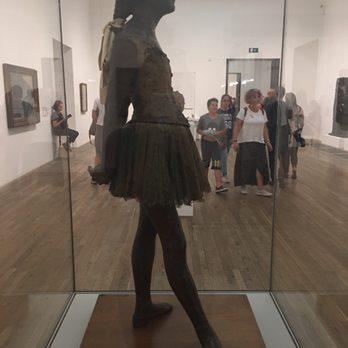
Entrance is free, go up to the observatory deck to see awesome views of London. Modern art from the famous as well as the new. Dali, Picasso, replicas of Duchamp, and much more art to easily fill a half day. Just in front of millennium bridge, a London landmark. read more



![Tate Modern - Twenty Questions [a sampler] - Art Museums Near Me - London, XGL](https://s3-media0.fl.yelpcdn.com/bphoto/5SzUSbfbrdUO9O5ZfrJ2Rw/348s.jpg "Tate Modern - Twenty Questions [a sampler] - Art Museums Near Me - London, XGL")


13 years ago
I loved Tate modern museum! I went .. I want to say on September 22d and it was a fun experience. There were interactive drawing stations and available audio tours. There was a place to store our belongings and a cute cafe. I had a physical tour with a very humerus guide. He knew his stuff and talked about the bigger pieces. I was disappointed that when I went there wasn't a piece that took up the giant gallery because I hear some wonderful stuff happens there. I would def go again read more



12 years ago
Not sure why people like this so much. There are like 3 free exhibits and maybe a total of 5 pieces of art. Gotta pay for the rest of it. The best thing about it is the view of the river on the third floor. But then again i think modern art is BS read more


18 years ago
Tate Modern is the jewel of London, everyone should go here. The only problem with it is everybody does go here, so it is the most hilariously crowded art gallery you will ever go to. there is rarely enough space to stand back and admire individual paintings, you just have to kind of dodge your way through and take it all in on the hoof. Best is obviously whatever giant product of a madman's mind is on display in the turbine hall, but you have to wonder if some of the space couldn't be taken up with another floor to create a bit more space for exhibits? My favourite stuff in here is probably the anselm kiefer works and the larger pop art stuff, but even if you don't like art you should go for the views of st paul's which are great. Or you could go to the top of st paul's and look down on the tate! read more


16 years ago
If you love contemporain art or if you want to stir up your art senses, it is the gallery you have to visit in London. Its exhibition on the ground floor are always amazing and changing often. The permanent as the temporary exhibitions are excellent, even the interior design and architecture are a piece of art! LOve Love love this place read more


8 years ago
Lots of great art , excellent food, and a huge space that alone is worth the price of admission, which actually is FREE! read more


18 years ago
After spending considerable time in New York, I think I have been spoilt and therefore was a little underwhelmed with the collection at the Tate Modern. I was expecting pop artor rather, a room full of it, seeing as Britain is home to world's best pop artists like Hirst, Opie etc. Also, where are all the Warhols? Surely a museum of such grandeur could afford it? That said, the gallery space is quite unique and thus beautifuland a visit to the gallery is worth it just for the views from the cafe at the top. read more


16 years ago
Give yourself a full day and come rested. They have a massive collection. The place is huge! Man, some of the modern art holdings they have are incredible. I wanted so badly to use my camera but like all museums I had to keep it in my bag. I did get a few shots in the entry and will put them up. I think this was one of the only destinations I didn't have to shell out a ton of cash to get in. I can't wait to come back. read more


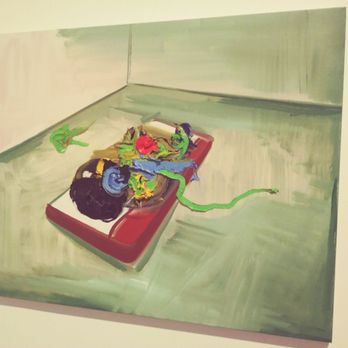
Forgot my glasses on a bench in one of the art installation rooms. The next day someone asked who the artist is and if they can buy the art piece for a mere 10,000 pounds. You certainly need to have a mind open for interpretation when you look at some of these objects. Some installations make no sense, one had a picture of steak and fries, next to pictures of an open fridge and then a toilet. Some rooms with short videos. One floor has some weird bright yellow lights. Some parts are just huge hallways and then a massive room and like a 10x10 inch frame on its own. They have some nice sofa chairs where you can hang out. The bathrooms are surprisingly clean, I wasn't sure if they were an art exhibit at first, you can never be too sure, but everything flushed as it should. Don't forget to go to the 10th floor, if you can manage to squeeze into the elevator filled with loud Italian school groups. There you have the best free views of London. You can walk all around the building for a 360 view of London at your own pace. Admission to the museum is free and they have Wi-Fi. read more




18 years ago
The Tate Modern is right up there with the Museum of Modern Art in New York as one of the very best modern art museums in the world. There is something for everyone here in terms of the permanent art collection, and there are many unique exhibits and special attractions to keep everyone coming back again and again. (Do they still have those Video link: http://www.youtube.com/watch?v=LcyCl3AvxU4&feature=related ?) I particularly appreciated the depth of the American Abstract Expressionist painters displayed here, from Hans Hoffman to Jackson Pollock to my all-time personal favorite, Mark Rothko. In fact, the Mark Rothko room with the paintings that were originally commissioned for a restaurant in NY and then deemed "too intense" for display there is my favorite room in the museum. Where else except for the Mark Rothko chapel (http://www.rothkochapel.org/) can you sit surrounded by this genius' artwork? And wouldn't you rather come have this experience in London rather than Houston, Texas? I know I would. read more


15 years ago
If you get no other membership,get the Tate's. You have so many benefits. Private members room, free entry + friend to all exhibitions openings & as many times as you care to visit any of the 5 Tates in Britain. (two in London,St Ives, Liverpool & Margate) Bang up to date it is superb read more


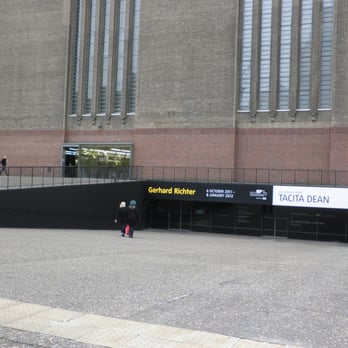

I'm not too familiar with the world of fine art although I had studied Art in secondary/ high school so I have minimal background knowledge, which I felt helped somewhat in navigating this museum and understanding the explanations of various art movements. Each floor and section seems to be categorised into a specific style and art movement, like surrealism, rococo and the various categories of modern art. Tate is largely free in that there are three floors plus the lower ground floor with free exhibitions and the rest is paid, but you can easily spend about 2 hours on the free stuff. Some of the art was very interesting, some a bit odd and hard to appreciate for someone like me from the world of science, and some quite radical like the feminism one which I found to be quite interesting. However, I found the majority of the explanations to be long and would take a lot of time to read, but it does give a nice background to help understand what the pieces are about. The museum layout is easy to follow, the map costs one pound (however I was lucky in that I found one lying around near the lockers) but is not necessary; I hardly if at all used it. The layout of all the floors is printed one the walls near the stairs/ elevators of every floor, and all the explanations of each art style and piece of work are in the gallery right when you enter each area. There is free WiFi throughout, cafes, gift shops and there are also lockers and a cloakroom on the ground floor. Be aware that the coin lockers only accept the old and not the new pound coin. Overall, has a huge range of varying art styles all in one gallery with plenty of stuff to see for free. If you see one art museum in London, I would say go for Tate Modern. read more




9 years ago
Another great museum in London. You can get amazing views from the 9th floor. Be prepared to spend a few hours there to get the full experience. read more



More info about Tate Modern
Bankside
London SE1 9TG
United Kingdom
South Bank, Southwark
Directions
020 7887 8888
Call Now
Visit Website
http://www.tate.org.uk/modern
Hours
Services
Indoor Amenities
Other Amenities
Tate Modern Reviews in Other Languages
Review Highlights - Tate Modern

















Why does Yelp recommend reviews?
95 reviews that are not currently recommended
The reviews below are not factored into the business's overall star rating.

2 years ago

17 years ago

12 years ago

18 years ago

16 years ago

19 years ago

16 years ago

16 years ago

18 years ago

18 years ago

18 years ago

9 years ago
10 years ago
18 years ago
12 years ago

3 years ago

17 years ago

12 years ago
14 years ago

12 years ago
Tate Modern - artmuseums - Updated August 2026
Browse Brands
Browse Articles
People who viewed Tate Modern also viewed

The National Gallery
548 reviews
Trafalgar Square

Victoria and Albert Museum
498 reviews
Knightsbridge

The British Museum
1273 reviews
Bloomsbury

Design Museum
83 reviews
Holland Park

The Wallace Collection
124 reviews
Marylebone
£

The Natural History Museum
551 reviews
Knightsbridge

Tate Britain
147 reviews
Westminster
£

White Cube
18 reviews
Borough

Churchill War Rooms
254 reviews
Westminster

Royal Academy of Arts
64 reviews
Mayfair