The Bolling Haxall House Photos


More like The Bolling Haxall House
Recommended Reviews - The Bolling Haxall House
Start your review...


Reviews With Photos


The Bolling Haxall House is a beautiful historic venue in downtown Richmond. My friend was married here and we were well looked after from the rehearsal dinner, to getting ready the morning of the wedding, and through departure. The building itself is stunning and doesn't need much decor. It was spotlessly clean and I loved wandering around to take in all the details. The staff worked hard to make sure the event went smoothly and that the bride and groom had a day to remember.
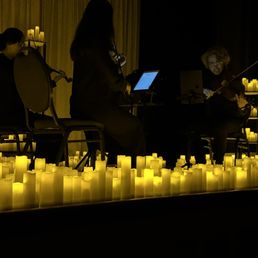

Went to a Adele tribute concert there. Not the best acoustics but ok for not being a covert Hall. Chairs are the padded folding chairs so not as comfortable as we would have like. Lots of steps and bathrooms were filled with more down even more steps! The floor is wooded so I could feel the person behind me aggressively tapping his foot. Kinda of funny as he lady beside me was loudly humming along with the music. Don't get me wrong, a string quartet playing Adele songs with lots of extended cords hardly makes anyone want to light up their Bic Lighter and pull their top off.... The ambiance there is still old Richmond and beautiful. But the should stick to Cotillions and not live music venues!


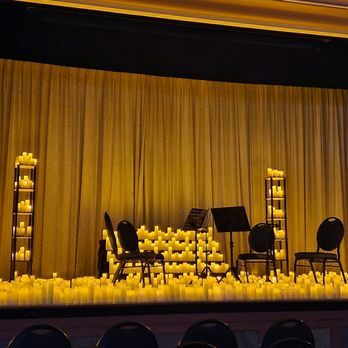
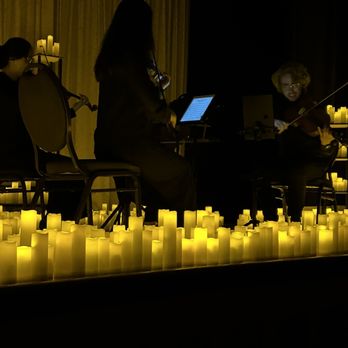
We attended a Candlelight Concert featuring a quartet of strings performing Vivaldi's "The Four Seasons" at Bolling Haxall House in Richmond. This beautiful concert was just over one hour long, and it was a real treat! The foyer and concert hall were lit with about 2,000 candles. The sound was crisp and clear. Tickets are sold by section, with Section A being the closest rows to the stage. We lucked out with front row seats. While they performed classical music tonight, we learned they also perform renditions of music by contemporary artists as well. We highly recommend! read more


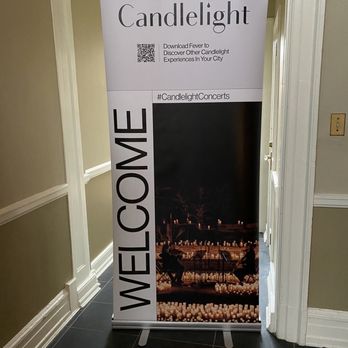

I enjoyed attending a candlelight concert at The Bolling Haxwell House. It was great!!! Parking however is VERY VERY difficult to find! The venue has a very small parking lot that's nowhere near big enough to accomodate guests. The venue is beautiful, however and very well kept. read more
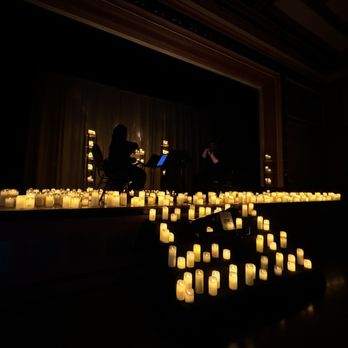

We attended a Fever Candlelight Concert at the Bolling Haxall House and really enjoyed the event and atmosphere. I had never heard of the venue before. The house was built in the 1800's and has that Victorian Era charm. I can see it as a great event/wedding atmosphere if you love the antiquity. The woodworking is stunning as well as the decorative glass windows. Unique in all the different rooms/spaces. The toilets did not flush properly though Plenty of street parking and a garage across the street. read more



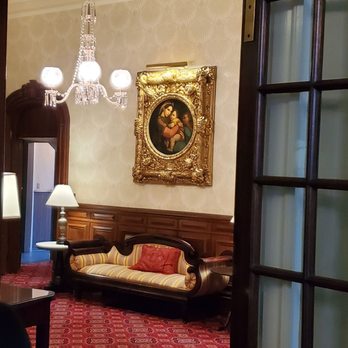


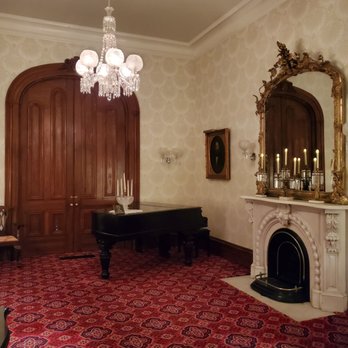

The Bolling Haxall House is a beautiful historic venue in downtown Richmond. My friend was married here and we were well looked after from the rehearsal dinner, to getting ready the morning of the wedding, and through departure. The building itself is stunning and doesn't need much decor. It was spotlessly clean and I loved wandering around to take in all the details. The staff worked hard to make sure the event went smoothly and that the bride and groom had a day to remember. read more


3 years ago
Went to a Adele tribute concert there. Not the best acoustics but ok for not being a covert Hall. Chairs are the padded folding chairs so not as comfortable as we would have like. Lots of steps and bathrooms were filled with more down even more steps! The floor is wooded so I could feel the person behind me aggressively tapping his foot. Kinda of funny as he lady beside me was loudly humming along with the music. Don't get me wrong, a string quartet playing Adele songs with lots of extended cords hardly makes anyone want to light up their Bic Lighter and pull their top off.... The ambiance there is still old Richmond and beautiful. But the should stick to Cotillions and not live music venues! read more


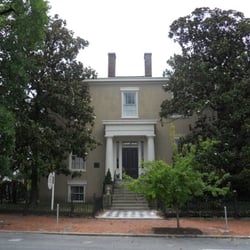
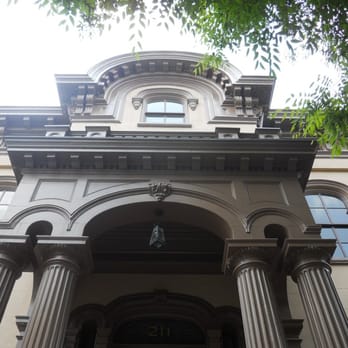
I found out about the Bolling Haxall house while in college studying architectural history at VCU. I later learned it was the family home of my roommate who's mother was named Mary Haxall. My roomie, who later became on of my best friends first name, was Bolling Haxall but he went by his middle name, Scott. I don't know why I am telling you this but I guess I wanted to make sure that people knew I wasn't just doing random Yelp reviews and that I am trying to make people stop and take notice of some of the locally and nationally famous architecture our city is known for. So why is the house famous? Well, it is considered to be one of the finest and best examples of Italianite Architecture left in Richmond. The house was built in 1858 by Bolling W. Haxall who was one of Richmond's most wealthy industrialists owning what was then considered the largest flour mill in the world, The Haxall Mills. Some of the architectural features of the home that make is so impressive are: The elongated cupola, semicircular pediment over the central third story window, and heavy bracketed cornice are all characteristic features for this transitional period in architecture in the mid-1800s. Finely detailed cast iron window arches, balcony railings, and an exquisite locally made cast iron property fence-attributed by some sources to Richmonder George Lownes, others to William Cook is another example of fine Richmond Ironwork. The two cast iron, horse-head hitching posts in the front of the house once stood on Capitol Street, where state legislators used them for their horses. The home, with the addition of an auditorium and second story ballroom to the rear, has been owned and operated by the Women's Club since it was bought by them in 1900. A Virginia Historic Landmark, The Bolling Haxall House is also listed on the National Register of Historic Places. read more



16 years ago


11 years ago