Alex Haley Museum and Interpretive Center Photos



More like Alex Haley Museum and Interpretive Center
Recommended Reviews - Alex Haley Museum and Interpretive Center
Start your review...


Reviews With Photos


Mr. Griffin was a fantastic guide during our visit to the Alex Haley Museum. He has a wealth of knowledge about the Murray/Haley family and made our group feel just as if we were a part of the family. Definitely worth the visit! Just to see where Alex Haley and his ancestors sat to discuss their genealogy was quite the experience.


1 month ago
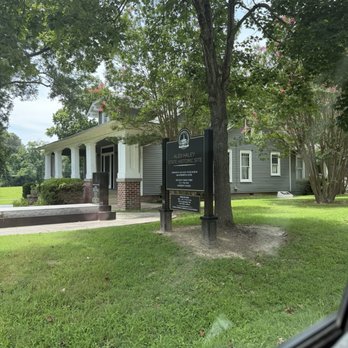
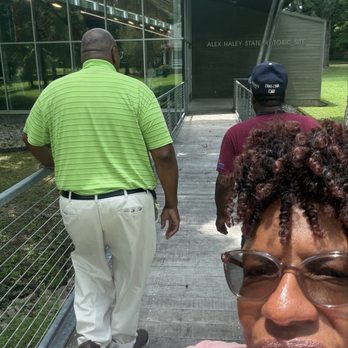
I don't remember our tour guides name. He made it a bit animated, enjoyable and very interesting. My husband and I enjoyed the visit to the family home. Each room represented how life was for young Alex Haley. I would visit again when I'm in Tennessee. I highly recommend locals to visit as often as you can. For tourist put the Alex Haley Museum on your list to visit. read more


2 months ago
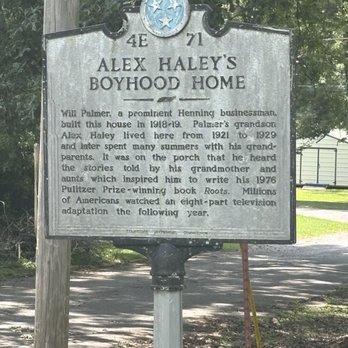
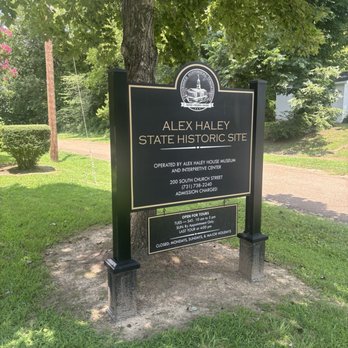
We had a fantastic experience at the Alex Haley Museum. About an hour drive from Memphis, the museum was a great trip from start to finish. Very informative and we learned so much about Alex Haley that we didn't know before. Highly recommend. read more


2 years ago
I admired Alex Haley's work. I desired to meet him before he passed. I love how the movie Roots was received by the world, and was not produced from an African-American's point-of-view. Staff were knowledgeable about Alex Haley's professional work and family lineage. They presented facts in an enthusiastic and welcoming manner. Mr. Richard, Mr. Lawrence, and Ms. Elaura were super. They gave me nuggets of knowledge to share with others. I recommend this museum. It is a local gem on a back road in the small, dated town of Henning, TN. I drove through heavy rain and flooded roads to tour the museum. The experience was worth the drive! I am still in awe of Alex Haley's Boyhood home. This museum is to be praised. "Find the good, and praise it!"-Alex Haley read more
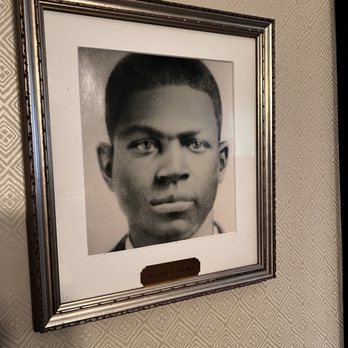

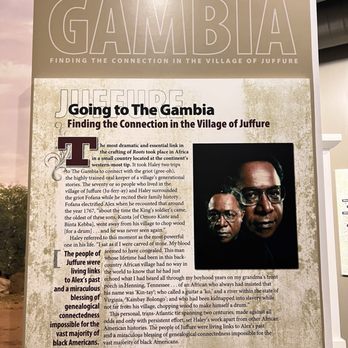

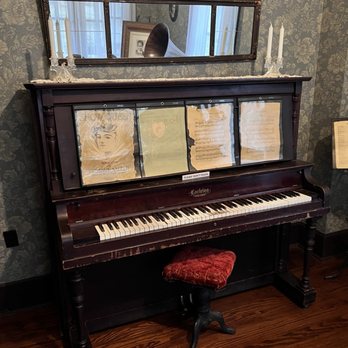


Mr. Griffin was a fantastic guide during our visit to the Alex Haley Museum. He has a wealth of knowledge about the Murray/Haley family and made our group feel just as if we were a part of the family. Definitely worth the visit! Just to see where Alex Haley and his ancestors sat to discuss their genealogy was quite the experience. read more


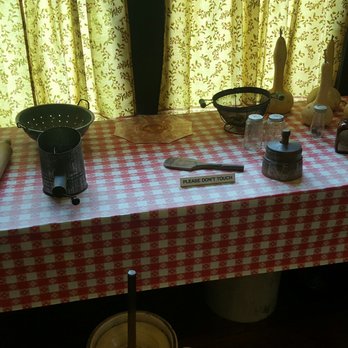
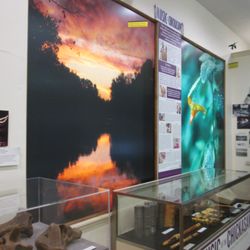
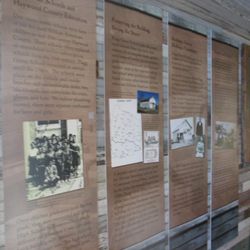
This was a very informative tour about Alex Haley and the evolution of Roots. The museum includes a tour of his childhood home, a 15 minute film and a small exhibit in the interpretive center. The staff was friendly and welcoming. Definitely worth a short road trip and you pass by the original Gus's Chicken, which adds some incentive. read more




14 years ago

10 years ago
More info about Alex Haley Museum and Interpretive Center

Ask the Community - Alex Haley Museum and Interpretive Center



















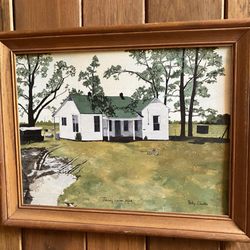
Alex Haley Museum and Interpretive Center - museums - Updated September 2026
Best of Henning
People found Alex Haley Museum and Interpretive Center by searching for…
Children's Museums in Henning, TN
Arts & Entertainment in Henning, TN
Off Road Trails in Henning, TN
Historical Tours in Henning, TN
Movies Now Playing in Henning, TN
Tourist Attractions in Henning, TN
Fun Things to Do on Date Night in Henning, TN
Performing Arts in Henning, TN
Museums for Kids in Henning, TN
Indoor Attractions in Henning, TN
Trending Searches in Henning, TN
Elementary Schools near Alex Haley Museum and Interpretive Center
Hair Stylists near Alex Haley Museum and Interpretive Center
Nail Technicians near Alex Haley Museum and Interpretive Center
Nurseries & Gardening near Alex Haley Museum and Interpretive Center
Browse Articles
Browse Nearby
Browse Brands
Related Searches in Henning, TN
Best Jobs for 15 Year Olds Hiring in Henning, Tennessee
Best Things to Do on a Rainy Day in Henning, Tennessee
Browse Top Hotels in Henning, Tennessee for Your Stay
Discover Charming Historic Homes in Henning, Tennessee
Discover Fun Things to Do Alone in Henning, Tennessee
Discover the Best Dinosaur Park Experiences in Henning, Tennessee
Discover the Best Interactive Museum in Henning, Tennessee
Discover the Best Military Museum in Henning, Tennessee
Discover the Best Music Museum in Henning, Tennessee
Enjoy Hiking Adventures in Henning, Tennessee
Enjoy the Best Night View Spots in Henning, Tennessee
Enjoy the Best Walking Trails in Henning, Tennessee
Explore Beautiful Parks and Green Spaces in Henning, Tennessee
Explore Free Things to Do Around Henning, Tennessee
Explore Fun Field Trips in Henning, Tennessee
Explore Interactive Science Museums in Henning, Tennessee
Explore Kids Library Options in Henning, Tennessee
Explore Landmarks & Historical Buildings in Henning, Tennessee
Explore Popular Picnic Areas Around Henning, Tennessee
Explore Private Party Venues in Henning, Tennessee
Explore Sunday Fun Things to Do in Henning, Tennessee
Explore Top History Museums in Henning, Tennessee
Explore the Rich History in Henning, Tennessee
Explore the Top Car Museum in Henning, Tennessee
Find Top Art Museums in Henning, Tennessee
Find Top Libraries to Visit in Henning, Tennessee
Find Top Restaurants in Henning, Tennessee for Every Taste
Find a Public Library Near You in Henning, Tennessee
Find the Best Scenic View Locations in Henning, Tennessee
Find the Best Shopping in Henning, Tennessee Today
Fun Indoor Activities to Try in Henning, Tennessee
Fun Rainy Day Activities to Try in Henning, Tennessee
Must-See Tourist Attractions Around Henning, Tennessee
Plan Exciting Kids Field Trips in Henning, Tennessee
Plan a Scenic Drive Route Near Henning, Tennessee
Popular Indoor Attractions to Visit in Henning, Tennessee
Popular Places to Take Pictures in Henning, Tennessee
Popular Things to Do in Henning, Tennessee
Popular Things to See in Henning, Tennessee
Top Hiking Trails to Explore in Henning, Tennessee
Top Museums for Kids to Visit in Henning, Tennessee
Top Places to Take Pictures Indoors in Henning, Tennessee
Top Things to Do With Kids in Henning, Tennessee
Top Things to Do With Teenagers in Henning, Tennessee
Top-Rated Factory Tours to Explore in Henning, Tennessee
Visit Dinosaur Museum Attractions in Henning, Tennessee
Visit a Free Museum Near You in Henning, Tennessee



