
Battleground National Cemetery Photos


More like Battleground National Cemetery
Recommended Reviews - Battleground National Cemetery
Start your review...



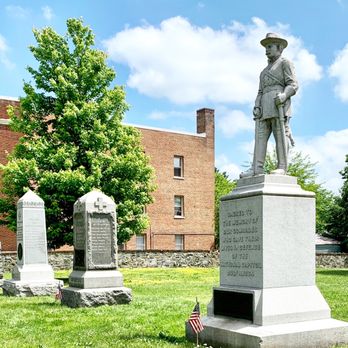
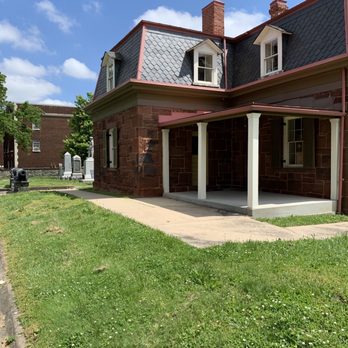
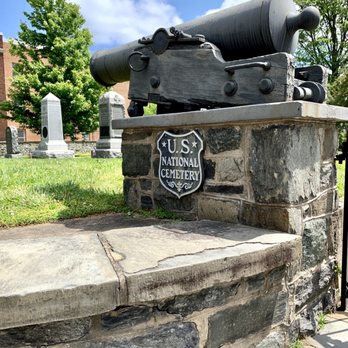
Along the Takoma-Brightwood border in Northwest DC is one of the country's smallest national cemeteries on one acre of land. It was created and dedicated by Abraham Lincoln himself after the Battle at Fort Stevens. It was there that the Union stopped the attack on Washington, DC and the only time Lincoln came under direct fire from the Confederacy. 41 Union soldiers gave their lives that day and this cemetery honors them. The cemetery is easy to miss, but once you're through the gate, you won't soon forget it. Take time to read the signs about its history and walk through the grass remembering the soldiers who defended Washington, DC at Fort Stevens nearby. The cemetery is run by the National Park Service so entry is free. read more



11 years ago
One of America's smallest national cemeteries, specially commissioned by President Lincoln for Union soldiers who fought at the Battle of Fort Stevens - the battle that saved Washington. 41 soldiers were eventually buried here; the last veteran was interred in 1936. The cemetery really is tiny; you'd never know it was here unless you happened to see it while driving on Georgia Ave. It's well maintained, although picnicking is discouraged. Fort Stevens - one of 68 Civil War forts that once surrounded the District - is only a short drive away, and worth a visit as well. In July 1864, these soldiers held the fort against a surprise attack from Jubal Early, who was hoping to scare General Grant enough to abandon the Union siege of Petersburg and rush to defend Washington. Early's plan didn't work, in no small part to their sacrifice. What's poignant about the casualties is some of them weren't 'combat' soldiers; Grant pulled most of Washington's garrison away from 'easy duty' guarding the forts into the Army of the Potomac, which was suffering heavy casualties. All that were left to defend the city were trainees, semi-invalids, and a small number of veterans, augmented at the last minute with reinforcements sent by Grant. Despite that, they fought off a larger enemy force. Had Early even temporarily captured Washington, it potentially could have caused Grant to end his siege, scared the northern public enough to sue for peace, and ended Lincoln's hopes for reelection. US history would have been different. So...respect. read more


6 years ago

14 years ago
More info about Battleground National Cemetery








Battleground National Cemetery - landmarks - Updated September 2026
Best of Washington, DC
People found Battleground National Cemetery by searching for…
Abandoned Buildings in Washington, DC
Places to Take Pictures in Washington, DC
Free Things to Do in Washington, DC
Tourist Attractions in Washington, DC
Historic Restaurants in Washington, DC
Secret Spots in Washington, DC
Historical Sites in Washington, DC
Walking Groups in Washington, DC
Scenic Overlook in Washington, DC
Historical Tours in Washington, DC
Public Defender in Washington, DC
Urban Exploration in Washington, DC
Grave Stones in Washington, DC
Browse Nearby
BEST of Washington, DC, District of Columbia Restaurants near Battleground National Cemetery
BEST of Washington, DC, District of Columbia Coffee near Battleground National Cemetery
BEST of Washington, DC, District of Columbia Things to Do near Battleground National Cemetery
BEST of Washington, DC, District of Columbia Breakfast near Battleground National Cemetery
BEST of Washington, DC, District of Columbia Photo Spots near Battleground National Cemetery
BEST of Washington, DC, District of Columbia Museums near Battleground National Cemetery
BEST of Washington, DC, District of Columbia Hotels near Battleground National Cemetery
BEST of Washington, DC, District of Columbia Campgrounds near Battleground National Cemetery


