
Boott Cotton Mills Museum Photos


You might also consider

More like Boott Cotton Mills Museum
Recommended Reviews - Boott Cotton Mills Museum
Start your review...


Reviews With Photos


As a history teacher I love to be able to visit the sites of the places I talk about in my class. I've always wanted to be able to visit Lowell and be able to visit the mills and today I was able to visit this museum to help make history come alive for me. In essence the birthplace of Industrialization in America. This museum provides the opportunity to see how the textile mills revolutionize the way people worked in America. As you walk in you actually see the machines working on the first floor. When you move to the second floor you are able to enter the museum and understand the inner workings of the textile mills. On the second floor they have a theater which goes through the history of how the City of Lowell was started and why as well all the textile mills and the history of how and why they started in Lowell. The great thing about this place is you can go as quick or slow as you want. One of the i thing about the museum is the explanation of how the Textile mills flourished in Lowell but also they go through the demise of the industry and how Lowell has also built itself back from the closure of all the mills.


This is an awesome museum especially for people with kids! The fact that they have an actual weaving floor with working looms is AMAZING! You will definitely need some ear plugs but it is worth it. There is usually someone there actually working the machines and making dishcloths that you can then buy at the museum store...how cool is that! They are literally bringing history to life and they do it in a fun and interactive way. You will not be disappointed if you come here. They have another display upstairs that will have you rethinking your clothing purchases...you gotta check it out! I loved every aspect of this museum and love that it is also a National Park so I got to get a stamp in my passport!!!!


This museum is worth a visit and gives a great look at the history of Lowell. Admission is cheap ($6 for adults, $3 for students) and it took us about 45 minutes to work our way through the exhibitions. The highlight was definitely the actual working mill on the ground floor - very cool to see in action, especially after reading about the mill and working conditions in this museum and also in the visitors center a few blocks away (about a 10-minute walk). The upstairs exhibits provide more background on the history of mill towns, cotton production, and some hands-on displays on weaving. If you collect National Parks Service passport stamps, you can get a stamp for the general Lowell site here, as well as a specific stamp for this museum. There's also a gift shop with lots of NPS and Lowell-specific items.


1 year ago
Coming from a place where cotton and hand looms were pretty much the life of the people, a lot which was stolen by the British imperialists back 300 years away I was still amazed. Yes, I have seen enough of high quality cotton stuff and carding and converting them into threads still this place amazes me. It's a part of the industrial revolution of the west especially a teenage USA. The drop in the water, opportunities for growth etc and then how a planned city nearly dies and coming back while thriving on the diverse culture of immigrants is fascinating. Not to be missed. Park in the visitor center and take the free trolley. Won't take one more than 2-2.5 hours to and from the visitor center. read more


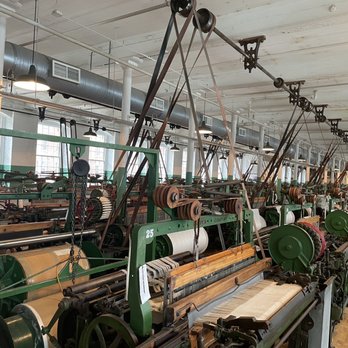
Beautiful restored cotton mill with running power looms/weavers. This is part of the National park service and is a two floor museum dedicated to the Lowell cotton mill era of the late 19th century to early 20th century. The highlight is the running looms that workers operate daily and create simple cotton fabric that they sell a portion of as dish cloths in the store. Super cute! Upstairs is a traditional museum showing the lives of people in the mills and the guides are more than enthusiastic to tell you more. It's a very nicely restored mill and very cool to see it in operation. Worth the visit and if you're a student, it's just $3 for entry! read more


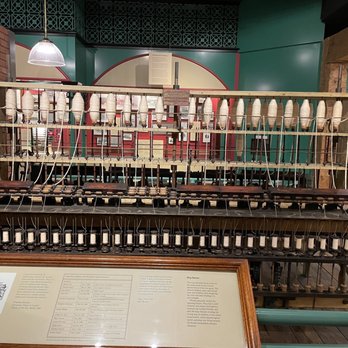
As a history teacher I love to be able to visit the sites of the places I talk about in my class. I've always wanted to be able to visit Lowell and be able to visit the mills and today I was able to visit this museum to help make history come alive for me. In essence the birthplace of Industrialization in America. This museum provides the opportunity to see how the textile mills revolutionize the way people worked in America. As you walk in you actually see the machines working on the first floor. When you move to the second floor you are able to enter the museum and understand the inner workings of the textile mills. On the second floor they have a theater which goes through the history of how the City of Lowell was started and why as well all the textile mills and the history of how and why they started in Lowell. The great thing about this place is you can go as quick or slow as you want. One of the i thing about the museum is the explanation of how the Textile mills flourished in Lowell but also they go through the demise of the industry and how Lowell has also built itself back from the closure of all the mills. read more





8 years ago
This is an awesome museum especially for people with kids! The fact that they have an actual weaving floor with working looms is AMAZING! You will definitely need some ear plugs but it is worth it. There is usually someone there actually working the machines and making dishcloths that you can then buy at the museum store...how cool is that! They are literally bringing history to life and they do it in a fun and interactive way. You will not be disappointed if you come here. They have another display upstairs that will have you rethinking your clothing purchases...you gotta check it out! I loved every aspect of this museum and love that it is also a National Park so I got to get a stamp in my passport!!!! read more

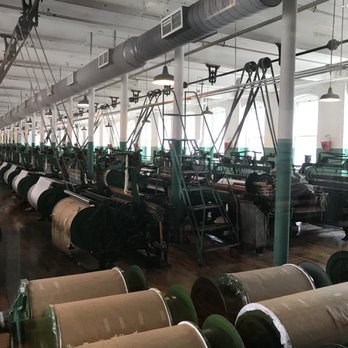




This museum is worth a visit and gives a great look at the history of Lowell. Admission is cheap ($6 for adults, $3 for students) and it took us about 45 minutes to work our way through the exhibitions. The highlight was definitely the actual working mill on the ground floor - very cool to see in action, especially after reading about the mill and working conditions in this museum and also in the visitors center a few blocks away (about a 10-minute walk). The upstairs exhibits provide more background on the history of mill towns, cotton production, and some hands-on displays on weaving. If you collect National Parks Service passport stamps, you can get a stamp for the general Lowell site here, as well as a specific stamp for this museum. There's also a gift shop with lots of NPS and Lowell-specific items. read more


14 years ago

16 years ago


12 years ago
The Boott Mills Textile Museum in Lowell, MA. was an experience to remember. The Museum layout allow you to get a general feel for the life of Textile workers in the late 19th and early 20th centuries. The accompanying documentaries recorded the high noise, humidity and pollution. A must see site to appreciate sacrifices made to create our modern world. read more


11 years ago

10 years ago

13 years ago

15 years ago

11 years ago
More info about Boott Cotton Mills Museum
Ask the Community - Boott Cotton Mills Museum
Review Highlights - Boott Cotton Mills Museum












Boott Cotton Mills Museum - museums - Updated September 2026
Best of Lowell
People found Boott Cotton Mills Museum by searching for…
Fun Things to Do With Kids in Lowell, MA
Children's Museums in Lowell, MA
Fun Things to Do on Date Night in Lowell, MA
Free Things to Do in Lowell, MA
Arts & Entertainment in Lowell, MA
Things to Do on a Rainy Day in Lowell, MA
Fun Places for Teens in Lowell, MA
Historical Tours in Lowell, MA
Places to Take Pictures in Lowell, MA
Historical Sites in Lowell, MA
First Date Ideas in Lowell, MA
Stadiums & Arenas in Lowell, MA
Trending Searches in Lowell, MA
Apple Orchards near Boott Cotton Mills Museum
Apple Picking near Boott Cotton Mills Museum
Barbershop near Boott Cotton Mills Museum
Barn Wedding Venues near Boott Cotton Mills Museum
Bike Shop near Boott Cotton Mills Museum
Casinos near Boott Cotton Mills Museum
Cheap Party Venues near Boott Cotton Mills Museum
Consignment Shops near Boott Cotton Mills Museum
Cultural Center near Boott Cotton Mills Museum
Ear Piercing near Boott Cotton Mills Museum
Estheticians near Boott Cotton Mills Museum
Eyebrow Threading near Boott Cotton Mills Museum
Eyelash Extensions near Boott Cotton Mills Museum
Factory Tours near Boott Cotton Mills Museum
Fun Kid Friendly Restaurants near Boott Cotton Mills Museum
Hair Braiding near Boott Cotton Mills Museum
Historic Homes near Boott Cotton Mills Museum
Indoor Attractions near Boott Cotton Mills Museum
Kids Activities Indoor near Boott Cotton Mills Museum
Kids Haircut near Boott Cotton Mills Museum
Landmarks & Historical Buildings near Boott Cotton Mills Museum
Museums For Kids near Boott Cotton Mills Museum
Photo Spots near Boott Cotton Mills Museum
Private Schools near Boott Cotton Mills Museum
Public Art near Boott Cotton Mills Museum
Rainy Day Activities near Boott Cotton Mills Museum
Things To Do This Weekend near Boott Cotton Mills Museum
Toddlers Fun Places near Boott Cotton Mills Museum
Browse Articles
Browse Nearby
BEST of Lowell, Massachusetts Restaurants near Boott Cotton Mills Museum
BEST of Lowell, Massachusetts Coffee near Boott Cotton Mills Museum
BEST of Lowell, Massachusetts Things to Do near Boott Cotton Mills Museum
BEST of Lowell, Massachusetts Botanical Gardens near Boott Cotton Mills Museum
BEST of Lowell, Massachusetts Breakfast near Boott Cotton Mills Museum
BEST of Lowell, Massachusetts Zoo near Boott Cotton Mills Museum
BEST of Lowell, Massachusetts Hotels near Boott Cotton Mills Museum
BEST of Lowell, Massachusetts Visitor Centers near Boott Cotton Mills Museum
BEST of Lowell, Massachusetts Star Gazing near Boott Cotton Mills Museum
Browse Brands
Related Searches in Lowell, MA
Best Sightseeing Experiences Available in Lowell, Massachusetts
Book Engaging Historical Tours in Lowell, Massachusetts
Discover Beautiful Garden Spots in Lowell, Massachusetts
Discover Charming Historic Homes in Lowell, Massachusetts
Discover Family-Friendly Aquariums in Lowell, Massachusetts
Discover Historic Sites and Places in Lowell, Massachusetts
Discover Spooky Ghost Tour Options in Lowell, Massachusetts
Discover a Library Near You in Lowell, Massachusetts
Discover the Best Interactive Museum in Lowell, Massachusetts
Discover the Best Kids Museum Experiences in Lowell, Massachusetts
Discover the Best Military Museum in Lowell, Massachusetts
Discover the Best Music Museum in Lowell, Massachusetts
Discover the Best Planetarium Shows in Lowell, Massachusetts
Enjoy Arts & Entertainment in Lowell, Massachusetts
Explore Beautiful Botanical Gardens in Lowell, Massachusetts
Explore Children's Museums Near Lowell, Massachusetts
Explore Family-Friendly Zoos and Wildlife in Lowell, Massachusetts
Explore Free Things to Do Around Lowell, Massachusetts
Explore Fun Activities to Do in Lowell, Massachusetts
Explore Fun Field Trips in Lowell, Massachusetts
Explore Historical Landmarks in Lowell, Massachusetts
Explore Interactive Science Museums in Lowell, Massachusetts
Explore Kids Library Options in Lowell, Massachusetts
Explore Landmarks & Historical Buildings in Lowell, Massachusetts
Explore Top Art Galleries Located in Lowell, Massachusetts
Explore Top History Museums in Lowell, Massachusetts
Explore Top Walking Tours in Lowell, Massachusetts
Explore the Rich History in Lowell, Massachusetts
Explore the Top Car Museum in Lowell, Massachusetts
Find Exciting Tours to Take in Lowell, Massachusetts
Find Museums Open Late in Lowell, Massachusetts Tonight
Find Top Art Museums in Lowell, Massachusetts
Find Top Libraries to Visit in Lowell, Massachusetts
Find Top Movie Theater Options in Lowell, Massachusetts
Find Top-Rated Cinema Experiences in Lowell, Massachusetts
Find a Public Library Near You in Lowell, Massachusetts
Must-See Sights to Explore in Lowell, Massachusetts
Must-See Tourist Attractions Around Lowell, Massachusetts
Popular Things to Do in Lowell, Massachusetts
Popular Things to See in Lowell, Massachusetts
Top Entertainment Options in Lowell, Massachusetts
Top Museums for Kids to Visit in Lowell, Massachusetts
Top Things to Do With Kids in Lowell, Massachusetts
Tour Popular Historical Sites in Lowell, Massachusetts
Visit Dinosaur Museum Attractions in Lowell, Massachusetts
Visit a Free Museum Near You in Lowell, Massachusetts
Visit the Best Art Gallery Experiences in Lowell, Massachusetts
Visit the Best Gallery in Lowell, Massachusetts Today


