
Camp Santanoni Photos


More like Camp Santanoni
Recommended Reviews - Camp Santanoni
Start your review...



We had an incredible horse and wagon ride to reach the great camp. We found an out of date website that says "free for seniors." It's not, but it WAS worth the cost. Others rode bicycles in and out. Then it's free. We loved our visit for the beauty and the nice intern who lead our tour of the buildings. There is no food or drink onsite. Take a picnic with you. The views are tremendous. read more
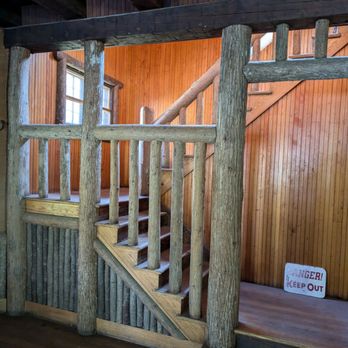


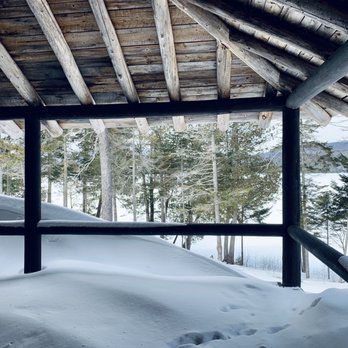
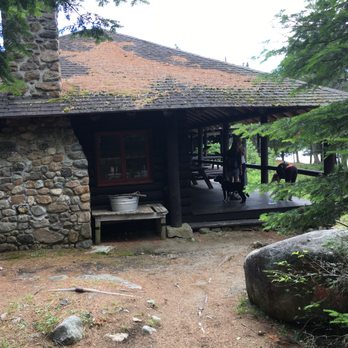
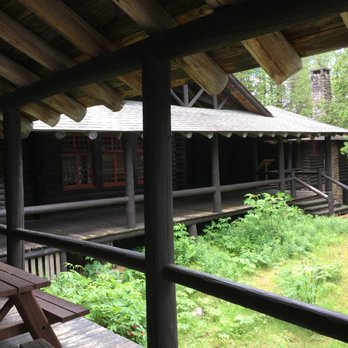
If you're an ADK enthusiast with a penchant for Albany history, visiting Great Camp Santanoni (GCS) is an absolute must! Santanoni is one of the last remaining Adirondack "Great Camps." What's a Great Camp, you ask? The name refers to a rugged architectural style generally associated with the Great Camps within the Adirondack Mountains in New York; the builders of these camps used native building materials and sited their buildings within an irregular wooded landscape. Think: rustic log cabin on steroids. Some even had all the comforts of home, and then some, like a movie theater and a bowling alley. Furthermore, making GCS even more badass is its designation of being a National Historic Landmark; so not only does it have ties to the Capital Region, but it's grandeur and historic significance is also recognized by 'Murica. Preach. Now, for the Capital Region-connection: Santanoni Preserve was established by Robert C. Pruyn, a prominent Albany, NY, banker and businessman. Acquiring about 13,000 acres in the Town of Newcomb, just south of the Adirondack High Peaks, Pruyn employed the distinguished architect Robert H. Robertson to design a summer residential complex. Yeah, that's right, I said complex -- some of us are lucky to have a tiny patch of land to pitch a tent on a crowded lake in upstate New York, but Albany's Pruyn family had a residential complex (at one time, complete with 27 structures!) By the late 1880s, the Pruyns had amassed enough wealth to begin planning a country estate like families of similar social status, but rather than choosing a resort area like Newport, Rhode Island, or New York's Hudson Valley, they chose Newcomb, New York, described in one publication as "the heart of the wilderness." Camp Santanoni has three main groupings of buildings: The Gate Lodge Complex, the Farm Complex, and the Main Camp; to witness its true glory and splendor, one must persevere and make the 5 mile trek from the Gate Lodge to the Main Lodge and hit all three. I've made two attempts to hit the trifecta, with ultimately one success, and both were during winter 2019. I basically trudged uphill -- both ways -- in a pair of snowshoes to get a glimpse of this beauty. The first attempt was snuffed out by fading daylight (we got a late start), and the second attempt was the luckiest, as we made on St. Paddy's Day. GCS is open to the public year-round, 365 days/year, 24 hours/day, and is accessible (depending on the season) on foot, by bicycle, on cross-country skis or snowshoes, and via a horse-drawn wagon (by reservation). (Okayyy!) From the Gatehouse, it is approx 5 miles to the Main Camp on gently rolling terrain, making for a 10-mile round trip Although the Santanoni Preserve is open all year round, many of the buildings are only open during the summer months; however, the camp is staffed and the buildings are open on their designated Winter Weekends (MLK and Presidents' Weekends, and again right around St. Patrick's Day), but it's also a beautiful spot for a self-guided tour any day. The highlight of the Winter Weekends? A roaring fire and hot cocoa in the Artist's Studio. This is when I made my treks, and it was extra special being able to tour the Main Camp with a guide, and warm up with some hot cocoa and chat with fellow hikers. Not feeling the 10-mile round trip hike? Take an easy 1-mile snowshoe or ski to the Farm for a winter picnic. Honestly, I can't wait to visit Great Camp Santanoni in the summer and fall, and even take an official tour, but there was something so magical about my winter visit that I recommend everyone who has the equipment and stamina plan a winter adventure! We are so lucky to have these morsels of American architectural history essentially in our backyard, and kudos to the AARCH (non-profit Adirondack Architectural Heritage) for their dedicated preservation work! Thanks to them, this camp, which is owned by the state of New York, and by association, its citizens, is accessible to all those curious enough to wander. May GCS and it's contemporary ADK cultural sites continue to be a beacon of preservation, and shine a spotlight on ADK life in simpler times, regardless of its grandeur. read more




Camp Santanoni is GREAT! A truly unique experience to get to walk/ride bikes down a 4.5 mile road, and then this Great Camp is at the end, which you get to explore - free reign over the property - for FREE! There are boats you can take out ... again free of charge ... you have full use of the camp buildings to explore or enjoy your picnic lunch. Be sure to find an intern and ask questions about the history of the camp. We got to interact with Maria, who was knowledgeable, gave *just* the right of information without overwhelming, had a photo album to accompany the answers to our questions. And she unlocked the artist studio for us, which is well worth seeing. We're grateful to the 3 organizations who are managing the upkeep of Camp Santanoni, and plan to make a donation, to help keep it going for others to enjoy. We rented bikes to ride in and out (see my review of Cloudsplitter Outfitters rental) and enjoyed that. But if walking is your preference, it's a beautiful walk, too. Extraordinary experience and one we highly recommend during your visit to the ADK! read more

More info about Camp Santanoni




Camp Santanoni - nonprofit - Updated August 2026
Best of Newcomb
People found Camp Santanoni by searching for…
Donation Center in Newcomb, NY
Scenic Overlook in Newcomb, NY
Historical Tours in Newcomb, NY
Beautiful Views in Newcomb, NY
Tourist Attractions in Newcomb, NY
Hiking Trails With Waterfalls in Newcomb, NY
Donation Drop Off in Newcomb, NY
Free Picnic Areas in Newcomb, NY
Off Road Trails in Newcomb, NY


