Desert View Watchtower Photos



More like Desert View Watchtower
Recommended Reviews - Desert View Watchtower
Start your review...


Reviews With Photos


This historical landmark offers breathtaking views of the Grand Canyon and the Colorado River from its watchtower, It's was an absolute worth it of our visit to the South Rim! The tower entrance is inside the gift shop with unique souvenirs, and restrooms. There is no additional fee to go to the top but there will probably be a line unless you arrive early. They only allow 25 people at a time into the tower, so the line can build quickly if people are taking their time inside the tower. Climbing the tower was such a cool experience. Each level offers something unique, with historic wall drawings, murals, and architectural details that tell a story as you go up. These impressions cannot be conveyed in pictures. You have to experience it for yourself. I think it's beautiful going for sunrise or sunset. It's very convenient parking , Ample parking is available, and for those opting for public transport, a convenient bus service is also offered.


This tower was a good spot to visit on our trip , it is a pretty unique building with very nice views of the canyon and has an observation deck . Also has a small gift shop inside and has a bigger gift shop next door and a place to grab some food and coffee and ice cream. One thing to keep in mind they limit the number of people allowed so there might be a bit of a wait involved . If you have a group of x number of people before they let you in x number of people have to leave. Deck and ground floor has reflectoscopes mounted around. Check it out.


The view was fantastic of course! It wasn't too busy when I went early Sunday and a Monday Afternoon. Definitely stop by the Desert View Watchtower! Nice little store inside too.


The Desert View Watchtower is a great place to check out the views of the Grand Canyon. There's plenty of parking, and the views are absolutely beautiful. On the day I went, they opened up the tower entrance to the upper floors at about 9 am. There is a little market and restrooms located outside of the tower.
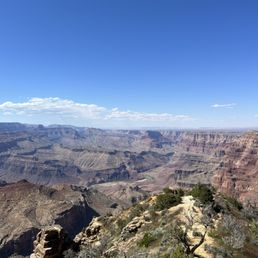

The Desert View Watchtower was one of my favorite places to get a glimpse of the Grand Canyon. It's approximately a 30-45 minute drive from the Grand Canyon Village, but it's well worth the journey. The drive to this destination was heavenly, with numerous lookout points along the way. While we stopped at a few of them, if you're pressed for time, I recommend skipping those and heading directly to the Desert View Watchtower, as it offers the best view along that route. In contrast to the viewpoints within the Grand Canyon, the Desert View Watchtower provides ample parking space. The path from the parking lot to the tower is ADA accessible. There is only one restroom, and the line can become quite long. The view itself is mesmerizing, offering a sweeping vista of the canyon and the Colorado River that flows through it. During my visit, it was quite windy, but I can only imagine how hot it might be on other days. The tower appeared to be blocked off (though I'm not entirely sure if access is available by purchasing a ticket).


Beautiful tourist attraction on one's way to the Grand Canyon South Rim. Just be sure you're stopping by during regular business hours, or they won't let you in to check out the inside of the Watchtower. Free access and free parking (after paying the required $35 fee to enter the Grand Canyon vicinity). Restrooms and water nearby.


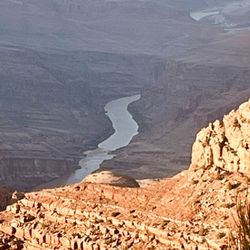
A scenic view worth stopping when you're in the southern rim of Grand Canyon. Excellent views of the canyon and distant river along with the historic desert watchtower.


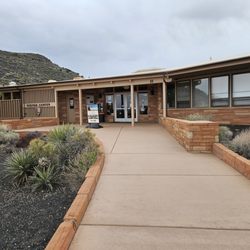
I've been making frequent trips to the Grand Canyon ever since I got a national park pass a couple years ago. I usually drive to the South Rim through Tusayan, but wanted to change things up on my most recent trip to get a different perspective. Desert View is a small settlement on the South Rim that is located about 20 miles east of Grand Canyon Village. This area gives you some of the first views of the Grand Canyon from the East side. The Desert View area has parking for both cars and RV's, restrooms, an outdoor visitor center, gas pumps, a trading post and a market. Nearby is also a campground. The Desert View Watchtower is an iconic structure that can be seen from quite a distance away. It was built in 1932 and designed by architect Mary Colter. You are able to enter and explore the lower level of the tower called the Kiva Room. Just outside the watchtower is Desert View Point. At this viewpoint you can see the Colorado River make a sharp 90-degree turn to the west. If you drive west on Desert View Drive, there are quite a few other beautiful viewpoints along the way until you get to Grand Canyon Village. If you are traveling on the on US 89, you can get to Desert View by turning west onto State Route 64 in Cameron, AZ. Then travel about 25 miles until you get to the East Entrance. The Desert View area is after you enter the park.


Another fantastic feature in GCNP. Built in 1932 this four story tower allows expansive views of the Eastern portion of the park. The tower has a gift shop on the first floor and there are surrounding building and structures. There are also services at this location. In addition there is a memorial plaque for the 1956 Grand Canyon mid-air collision in which over 120 people died which occurred near, but in a closed off section of the park. This spot tends to not be as crowded as the majority of people stay near the Grand Canyon Village area. For my money it is a good way to exit the park as the road will eventually take you back to Flagstaff. In addition once you leave the park there are non GC related places to stop like the Wupatki National Monument etc.
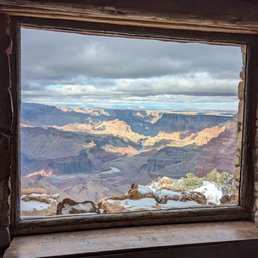

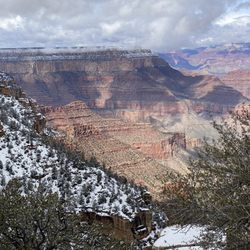
The Desert Watchtower offers a downright amazing and unique views of the Grand Canyon and the Colorado River. I would say that it rivals the views you can see from the South Rim. It is worth a stop if you have the time to take the back road across from the South rim entrance. Or you could always enter through the other gate. There are a couple small gift shops, a cafe, and the Watchtower itself to explore in the area. There are also a couple nice trails that go around the edge and you can get some pretty awesome views in places that are not as crowded as some of the main photograph areas. As for the Watchtower, on the inside there are some pretty amazing windows with killer views, and there is a gift shop. You can go upstairs to explore as well. On the outside of the Watchtower, there is an observation deck where you can get it even better. View of the canyon below. When we came here in late December 2021, it was freezing cold. There was snow on the ground and the surrounding mountains. It was absolutely beautiful. Next time we're down this way, will definitely explore some of the trails that start from this location as they look to be pretty epic. Five stars!


This place is a must stop if you're in the South Rim. We drove from the Village, took about 25 minutes. Many stops along the way. The tower has a gift shop with t-shirts, etc. The tower has several levels you can look out windows along the way. The top is simply epic. I could have stood there all day. I can't recommend it highly enough. The gift shop and cafe on site has more gifts. The hot coffee was welcome on this snowy day.


Absolutely breathtaking and worth the drive out!! Try to come when you are able to go up into the watchtower!
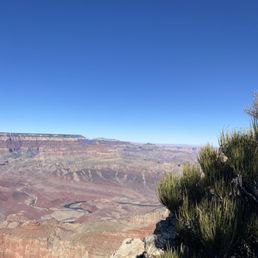

absolutely must see! amazing spot with outstanding views. as for the watchtower itself it's organized so it's a huge wait for folks walking up. only certain amount of ppl per time for a certain window and the line accumulated was for waiting another 20 minutes to see the top


6 months ago
What a great experience, the Staff is so gracious and helpful, even at the end of their busy shift. The views are astonishing. Don't miss the opportunity! read more


4 months ago
From the east gate it's your first stop just a quarter of a mile away. They have restrooms and a deli (good variety) and Starbucks and ice cream. Not many people too. Entrance to the tower is free and timed read more


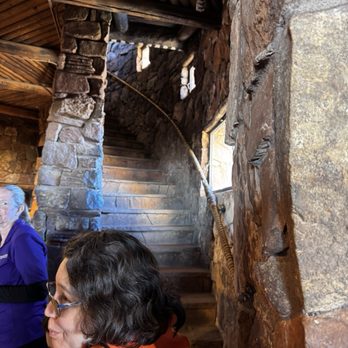
Located about 32 miles east of the famous Grand Canyon south entrance. The Desert View Watchtower is also a must see. The watchtower interior is built like a castle with a 3 level circular staircase with only one way up and one way down. You will also enjoy some spectacular views of the G.C. The lot has restrooms, souvenir shops, ice cream, and believe it or not a Starbucks. read more


This historical landmark offers breathtaking views of the Grand Canyon and the Colorado River from its watchtower, It's was an absolute worth it of our visit to the South Rim! The tower entrance is inside the gift shop with unique souvenirs, and restrooms. There is no additional fee to go to the top but there will probably be a line unless you arrive early. They only allow 25 people at a time into the tower, so the line can build quickly if people are taking their time inside the tower. Climbing the tower was such a cool experience. Each level offers something unique, with historic wall drawings, murals, and architectural details that tell a story as you go up. These impressions cannot be conveyed in pictures. You have to experience it for yourself. I think it's beautiful going for sunrise or sunset. It's very convenient parking , Ample parking is available, and for those opting for public transport, a convenient bus service is also offered. read more


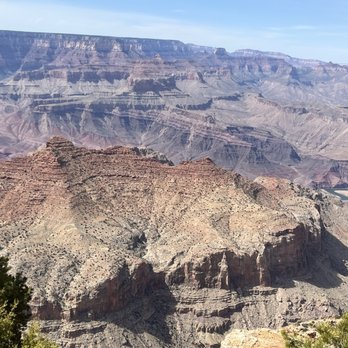


This tower was a good spot to visit on our trip , it is a pretty unique building with very nice views of the canyon and has an observation deck . Also has a small gift shop inside and has a bigger gift shop next door and a place to grab some food and coffee and ice cream. One thing to keep in mind they limit the number of people allowed so there might be a bit of a wait involved . If you have a group of x number of people before they let you in x number of people have to leave. Deck and ground floor has reflectoscopes mounted around. Check it out. read more


1 year ago

The Desert View Watchtower is a great place to check out the views of the Grand Canyon. There's plenty of parking, and the views are absolutely beautiful. On the day I went, they opened up the tower entrance to the upper floors at about 9 am. There is a little market and restrooms located outside of the tower. read more


The Desert View Watchtower was one of my favorite places to get a glimpse of the Grand Canyon. It's approximately a 30-45 minute drive from the Grand Canyon Village, but it's well worth the journey. The drive to this destination was heavenly, with numerous lookout points along the way. While we stopped at a few of them, if you're pressed for time, I recommend skipping those and heading directly to the Desert View Watchtower, as it offers the best view along that route. In contrast to the viewpoints within the Grand Canyon, the Desert View Watchtower provides ample parking space. The path from the parking lot to the tower is ADA accessible. There is only one restroom, and the line can become quite long. The view itself is mesmerizing, offering a sweeping vista of the canyon and the Colorado River that flows through it. During my visit, it was quite windy, but I can only imagine how hot it might be on other days. The tower appeared to be blocked off (though I'm not entirely sure if access is available by purchasing a ticket). read more
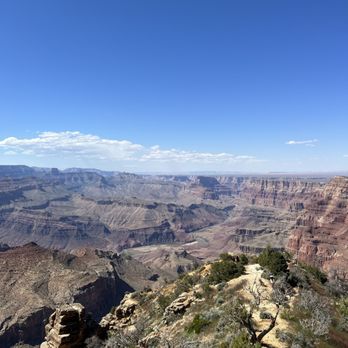


Beautiful tourist attraction on one's way to the Grand Canyon South Rim. Just be sure you're stopping by during regular business hours, or they won't let you in to check out the inside of the Watchtower. Free access and free parking (after paying the required $35 fee to enter the Grand Canyon vicinity). Restrooms and water nearby. read more


I've been making frequent trips to the Grand Canyon ever since I got a national park pass a couple years ago. I usually drive to the South Rim through Tusayan, but wanted to change things up on my most recent trip to get a different perspective. Desert View is a small settlement on the South Rim that is located about 20 miles east of Grand Canyon Village. This area gives you some of the first views of the Grand Canyon from the East side. The Desert View area has parking for both cars and RV's, restrooms, an outdoor visitor center, gas pumps, a trading post and a market. Nearby is also a campground. The Desert View Watchtower is an iconic structure that can be seen from quite a distance away. It was built in 1932 and designed by architect Mary Colter. You are able to enter and explore the lower level of the tower called the Kiva Room. Just outside the watchtower is Desert View Point. At this viewpoint you can see the Colorado River make a sharp 90-degree turn to the west. If you drive west on Desert View Drive, there are quite a few other beautiful viewpoints along the way until you get to Grand Canyon Village. If you are traveling on the on US 89, you can get to Desert View by turning west onto State Route 64 in Cameron, AZ. Then travel about 25 miles until you get to the East Entrance. The Desert View area is after you enter the park. read more

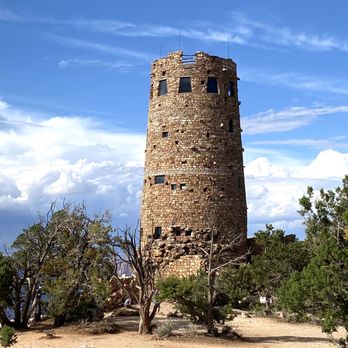


Another fantastic feature in GCNP. Built in 1932 this four story tower allows expansive views of the Eastern portion of the park. The tower has a gift shop on the first floor and there are surrounding building and structures. There are also services at this location. In addition there is a memorial plaque for the 1956 Grand Canyon mid-air collision in which over 120 people died which occurred near, but in a closed off section of the park. This spot tends to not be as crowded as the majority of people stay near the Grand Canyon Village area. For my money it is a good way to exit the park as the road will eventually take you back to Flagstaff. In addition once you leave the park there are non GC related places to stop like the Wupatki National Monument etc. read more


5 years ago
The Desert Watchtower offers a downright amazing and unique views of the Grand Canyon and the Colorado River. I would say that it rivals the views you can see from the South Rim. It is worth a stop if you have the time to take the back road across from the South rim entrance. Or you could always enter through the other gate. There are a couple small gift shops, a cafe, and the Watchtower itself to explore in the area. There are also a couple nice trails that go around the edge and you can get some pretty awesome views in places that are not as crowded as some of the main photograph areas. As for the Watchtower, on the inside there are some pretty amazing windows with killer views, and there is a gift shop. You can go upstairs to explore as well. On the outside of the Watchtower, there is an observation deck where you can get it even better. View of the canyon below. When we came here in late December 2021, it was freezing cold. There was snow on the ground and the surrounding mountains. It was absolutely beautiful. Next time we're down this way, will definitely explore some of the trails that start from this location as they look to be pretty epic. Five stars! read more
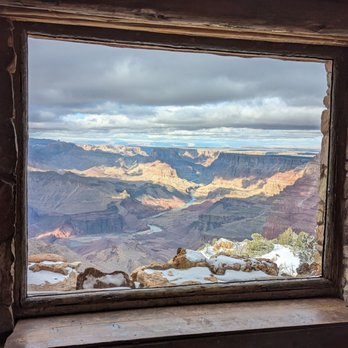
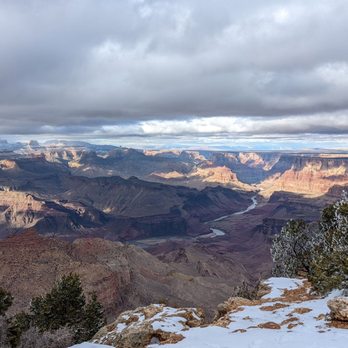


3 years ago
This place is a must stop if you're in the South Rim. We drove from the Village, took about 25 minutes. Many stops along the way. The tower has a gift shop with t-shirts, etc. The tower has several levels you can look out windows along the way. The top is simply epic. I could have stood there all day. I can't recommend it highly enough. The gift shop and cafe on site has more gifts. The hot coffee was welcome on this snowy day. read more


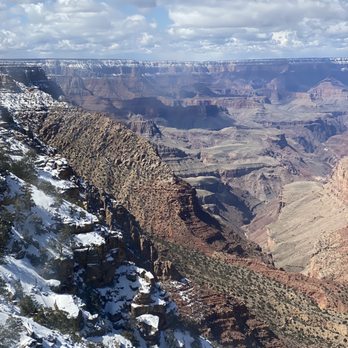


2 years ago
absolutely must see! amazing spot with outstanding views. as for the watchtower itself it's organized so it's a huge wait for folks walking up. only certain amount of ppl per time for a certain window and the line accumulated was for waiting another 20 minutes to see the top read more
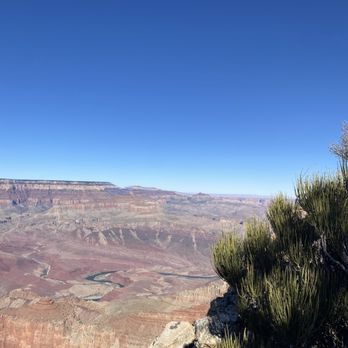


3 years ago
What a beautiful place to check out. Being from Alaska, this was something crazy for my bf and I.we loved every minute of it and would 100% come back. The little stores are nice and the views of course are breathtaking read more


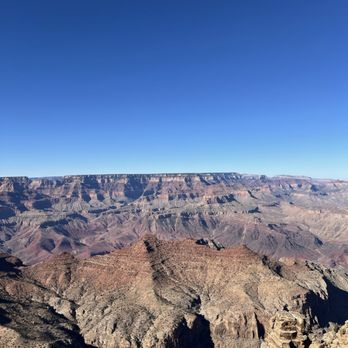

We came in early to beat the crowds on a Saturday. Due to pandemic the road is closed that goes into Cameron Arizona. You have to come from Tusayan. There were less than a dozen cars in the parking lot. That was good. We enjoyed the near solitude to admire the iconic Tower. All buildings were closed. Toilets were 4 ports potties in the parking lot. Views from the overlook are some of the best in the canyon. You can see a couple of long sections of the Colorado river. On the way here we saw Cow Elk, Deer and wild Turkeys. read more


2 years ago

5 years ago
Great viewpoint to see the Grand Canyon and the Colorado River snaking through. It's not as crowded as the rest of the park either which is a plus. read more


8 years ago
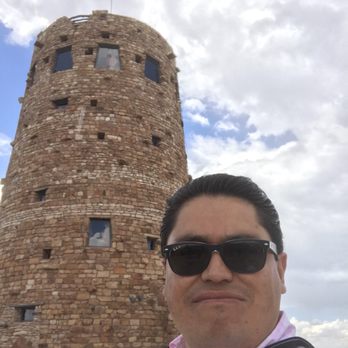
Beautiful place! We drove over here and it was a 45 min drive. They had construction going, but worth the wait. They have several stores and the access to the tower is free! read more


5 years ago
This was our first stop on our Grand Canyon trip. Beautiful views from inside the building too. The stairs were closed. read more


07/29/17 - We came down from Page AZ on the way to Sedona and went west on Highway 64 to the entrance of the south rim of The Grand Canyon. As we passed through the hallowed gates in The heart of Navajo country We passed the entry marked by a sign "Grand Canyon National Park" as you enter on the SE end of the Grand Canyon. The Grand Canyon is 277 mile east to west and 18 miles north to south at its widest point (and we complain about potholes in Chicago). The first lookout into the Canyon is defined by the Landmark "Desert View Watchtower". This is the first observation point in the south rim of The Grand Canyon. The Watchtower is a 70 foot masonry tower with multiple levels that you can access via a staircase inside. After our initial awe of the splendor that is the Grand Canyon we spent some time inside the Watchtower. The first photos show the inside of the tower. To think that the Grand Canyon was created over millions of years as the Colorado River slowly worked its way through the canyons eroding the red rock and creating this work of God. How else can you explain something that is as awe inspiring as The Grand Canyon. This is something that needs to be seen first hand as pictures don't begin to do it justice. You can get a feel for the size, but unfortunately pictures can't recreate the magnitude & depth of the Canyon. read more

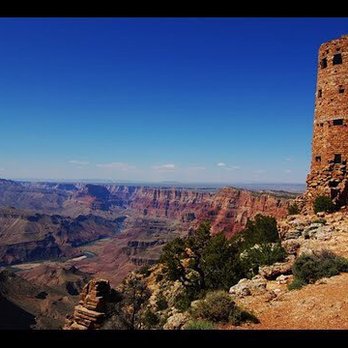


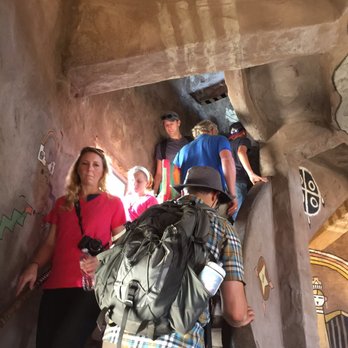

If you've been to the Grand Canyon but haven't been up in the Desert View Watchtower ... you really haven't been to the Grand Canyon. Designed by Mary Colter and opened in 1932, it is part of the first viewing point seen from those entering through the Grand Canyon's eastern end -- but, oddly enough, it's at the southern end of the GC. Colter did a great job designing the tower. First, the tints of brown in its stone masonry fit perfectly among the backdrop of the canyon. Designed to resemble an Ancient Pueblo Peoples' watchtower, the interior has drawings by Hopi artist and mural painter Fred Kabotie and definitely give that Ancient Pueblo vibe. While at the bottom level, don't forget to look up! It's a great view of the spiral staircase and the ceiling mural enveloped in the design of a sun. It feels somewhat like a British castle as you wind up from level to level. The staircase walls have little windows to view the canyon and each level provides a panorama of unique views. Depending on the time of year and wind, you may be able to go out on the roof. It's really a must-see. BEAUTIFUL VIEWS! They've also found a way to put what IMHO is the best Grand Canyon gift shop (and bookstore) at the bottom level. I'll see you at the Watchtower ... be on time! read more




4 years ago

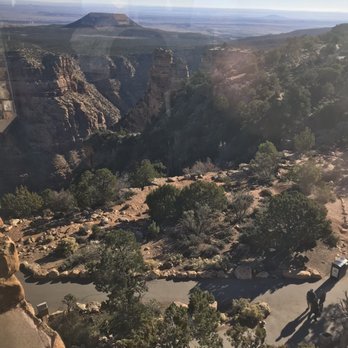
We only scheduled a 1/2 day visit to the Grand Canyon so pinpointing only a few stops was imperative. After reading Roger H's review the Desert View Watchtower it seemed like the best bang for the buck. You get to climb up into the tower and there are also plenty of views of the Canyon. This areas also seemed less crowded than the Visitor Center area. This might be because of it's remote location and the fact there are no trams that go here. We got several great pictures from this location. Recommended stop, and should be mandatory if you enter the South Rim Park from the East Entrance. They also sell food and previsions. Tips - There is a snack bar here. Do not get the pre-made sandwiches, grab a fresh made sandwich from their deli. - Check out the free Tusayan ruins and museum on your drive from the tower to the Grand Canyon Village. read more


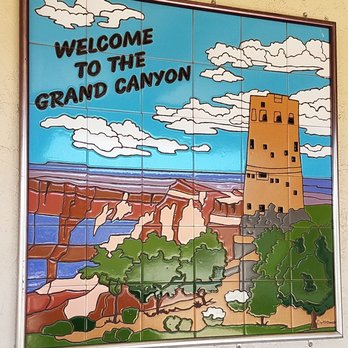


4 years ago

If you're not doing a one day bus tour, and have your own transportation, definitely head east to the South Rim east entrance. Not only will you pass by less crowded, yet still spectacular vantage points, you'll get to see the Desert View Watchtower. The Watchtower is a Mary Colter building, who designed some of the other buildings in the park. It is reminiscent of a Pueblo - style structure. Inside the tower there are murals and a gift shop. Sometimes they have guest speakers and tours. You can go up the tower to the very top, or to a little lookout area outside in the middle. It's a great stop if you have more than a day at the South Rim. read more


5 years ago
Really a beautiful piece of history to explore. Take the time to go and set your eyes on a piece of history. read more


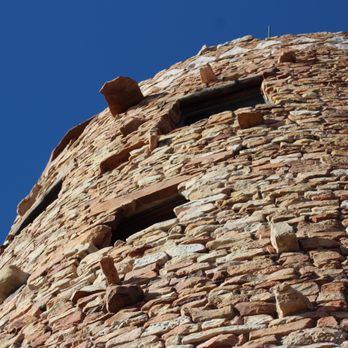

10 years ago
A great place to stop either on your way in or out of the national park. There's no extra fee for this place. Great view. Good exercise walking up all the stairs. :) Nice historical tower. Highly recommend! read more


6 years ago
The most amazing view at the south rim. We walked here since the entrance is closed and it was worth it. The view is breathtaking, there was no people yayy lol it was so beautiful and peaceful. This is a must if you visit the South Rim of the Grand Canyon read more


8 years ago
I loved this place. It was amazing. The details were so provocative telling the stories of the people that were here long before us. Mary Colter was an amazing female and so ahead of her time. It's a must on your visits to the Canyon. read more


7 years ago
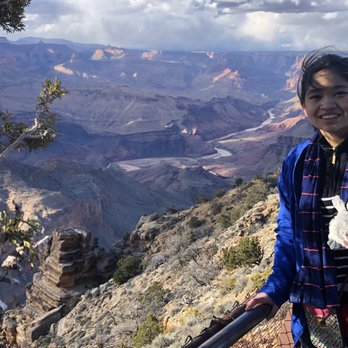
We had an awesome experience. Arrived at the golden hour of 4:30pm and it wasn't a crowded afternoon. The views and just being there is a life-changing experience. It aspired me to travel more, take that trip, just go - pedal to the metal. read more
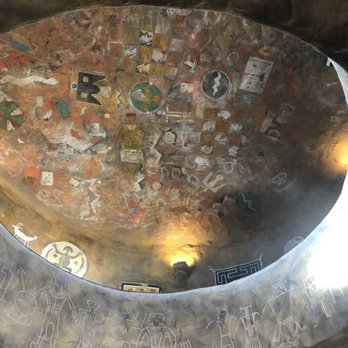

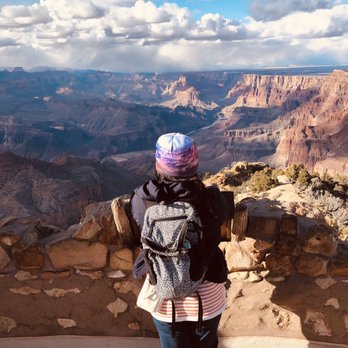



12 years ago
Wow, this is one of the best places to go when you are visiting the amazing Grand Canyon! The Watchtower is located along Desert View Drive. It is at the Desert View Visitors Center stop. Not as busy as most of the other stops along the South Rim. There is a nice gift shop inside the Watchtower. Learn about the history of the Grand Canyon and the Watchtower. Best reason to visit is for the fantastic views and photo opps! Beautiful! read more


11 years ago
Grand Canyon National Park, South Rim. Extremely busy when we went in the afternoon. It's a nice view in the surrounding areas, the exterior.. but going inside amongst crowds of people, it was uncomfortable. I did brave the crowds indoors and went all the way up as well as the outdoor deck on the second floor. I felt a bit of anxiety inside. Too many people. There's a store and restrooms onsite. It's nice to see and walk around, learn the history of it.. It gets crowded but you don't have to spend an incredible amount of time there.. but at the same time you can if you want to. read more




Page 1 of 2
More info about Desert View Watchtower
Desert View Watchtower Reviews in Other Languages
Ask the Community - Desert View Watchtower
Review Highlights - Desert View Watchtower


















Desert View Watchtower - landmarks - Updated September 2026
Best of Grand Canyon
People found Desert View Watchtower by searching for…
Things to Do in Grand Canyon, AZ
Attractions in Grand Canyon, AZ
Scenic Night View in Grand Canyon, AZ
Tourist Attractions in Grand Canyon, AZ
Swimming Holes in Grand Canyon, AZ
Sunrise View in Grand Canyon, AZ
Picnic Areas in Grand Canyon, AZ
Public Parking in Grand Canyon, AZ
Stair Climbing in Grand Canyon, AZ
Sightseeing in Grand Canyon, AZ
Places to Visit in Grand Canyon, AZ
View Points in Grand Canyon, AZ
Watch Sunset in Grand Canyon, AZ
Sunset View in Grand Canyon, AZ
Observation Deck in Grand Canyon, AZ
Points of Interest in Grand Canyon, AZ


