I love a history museum, especially one that's free, and the Brevard Museum of History and Natural…read moreScience checks both boxes. With more than 3,000 fascinating artifacts in its permanent collection, there's so much to learn and explore.
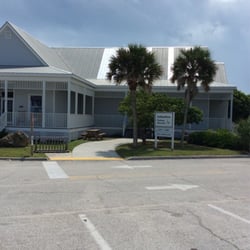
The Brevard Museum, Inc. was formed in 1969. The museum is currently operated by the City of Cocoa in a building tucked away in the quiet College Green Estates housing subdivision. If you didn't know it was there, you could easily drive right past it.
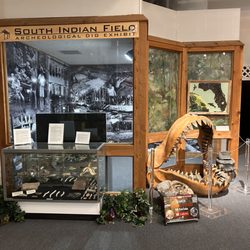
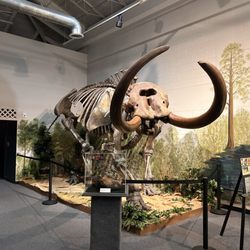
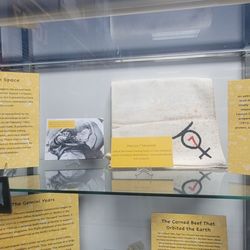
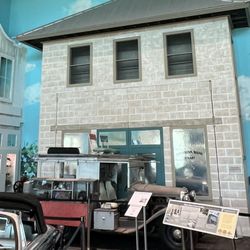
The museum has two wings to explore. One focuses on Florida's natural history, featuring Ice Age fossils, including a giant ground sloth and mastodon, along with exhibits that recreate life in 1800's Florida. The other wing traces the region's human history, beginning with indigenous people, the Spanish colonization of Florida, and continuing through pioneer life, before ending with the Space Age.
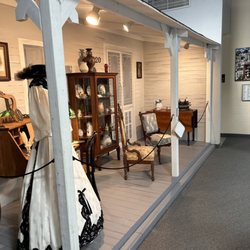
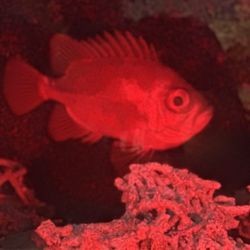
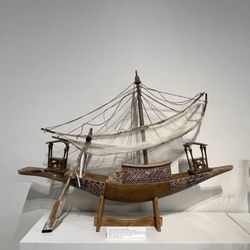
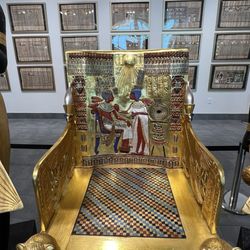
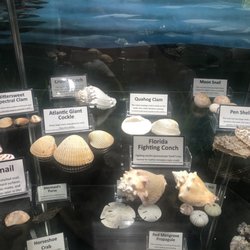
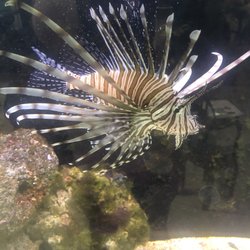
Exhibits cover a wide range of topics, including Florida's Indigenous peoples, Ice Age and modern wildlife, early Brevard settlers, Spanish ships, the citrus and turpentine industries, Flagler's railway, space exploration, arrowheads, artifacts from the Seminole, Miccosukee, and Ais peoples, shells, and casts of prehistoric and modern animal fossils. The Albert and Grace Taylor exhibit displays the personal effects of pioneers Albert and Grace Taylor. Grace Webster Taylor was a resident of the City of Cocoa, who passed away on December 27, 1945. There are also replicas of a one-room schoolhouse, a general store, and the Cape Canaveral Lighthouse.
The exhibit that fascinated me most was about the Windover archaeological site. In 1982, a bulldozer excavating a pond for a new housing development uncovered several human skulls. Archaeologists soon determined that the remains belonged to an ancient Indigenous community that had lived in the area approximately 7,000 to 8,000 years ago. Over time, researchers recovered the remains of 168 individuals from the peat at the bottom of the pond. The peat created remarkable preservation conditions, protecting not only the skeletons but also soft tissues, including some brain tissue. Research conducted by Florida State University revealed a wealth of information about Florida's earliest inhabitants. Textiles recovered from the burials provided rare insights into ancient weaving techniques, while preserved stomach contents offered valuable clues about their diet. The museum exhibit displays a preserved skeleton, a bust of the "Windover Woman," and a recreation of the unique wet archaeological excavation.
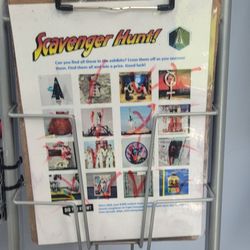
Unlike many local history museums I visit, this one has activities for kids making it more family friendly. There is a Discovery Room designed for children, where there are toys and a rocket capsule they can climb into along with other hands-on activities to enjoy.
Behind the museum is a nature preserve and the Johnnie Johnson Nature Trails. The winding network of paved and natural-surface trails meanders through 22 acres of native Florida upland and wetland ecosystems surrounding Clear Lake, making it a fun way to extend a visit.
There is so much local history packed into this small, free museum. The exhibits on archaeology, Florida history, natural science, and the Space Age are interesting for all ages. This is a wonderful budget friendly activity outside of the typical tourist destinations.