Jefferson Memorial Photos


More like Jefferson Memorial
Recommended Reviews - Jefferson Memorial
Start your review...


Reviews With Photos


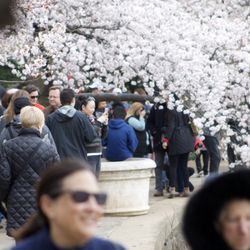
The Jefferson Memorial is a must-stop on your downtown DC itinerary. There is plenty of space on the grounds for a number of activities other than meandering the rotunda including photography, lounging, or taking a break on the marble steps. The memorial is situated along the Tidal Basin, offering a scenic and iconic view of the Washington Monument. In the spring, the Jefferson Memorial is a top destination to experience the cherry blossoms along the Tidal Basin. It is not too crowded and there is plenty of space to walk around. Like the Lincoln Memorial, the Jefferson Memorial is basically a life-size statue with personal quotes of the nation's forefather inscribed in the marble walls. The value is in the open space and iconic photo ops. There isn't much parking in the area and of all the memorials on the National Mall, the Jefferson Memorial is mostly accessible by foot. After rain, be careful on the stairs and platforms as they are constructed of marble and granite, making for a slippery surface.


This was one of the last of the monuments that we visited on our 'monument day' in D.C. It was crisp, blue-sky, Chamber of Commerce Day, so we took advantage of a full day of monuments. Definitely a monument worthy of a five star rating.
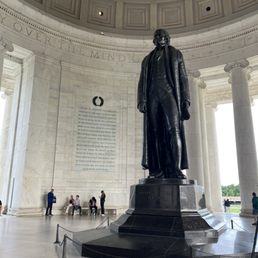

Huge and beautiful architecture of Rome's style rotunda next to the man-made reservoir known as the Tidal Basin. The views are stunning from every angle of the building


Rich in history and reminders that all created equal with inalienable rights. Depending on when you go, could be crowded or just nice. So timing is important. We went mid morning on a cloudy day, so there was just a couple dozen of people.


On a clear day and also during cherry blossom season, the Jefferson Memorial is a spectator place to take in the skyline of Washington DC. From the monument you can see the White House, Washington Monument, MLK Memorial and so much more! If you have limited time in DC, make time for the Jefferson. If you plan to drive, give yourself 15 or so minutes to walk from the parking lot at 971 Ohio Dr SW, Washington, DC 20024 to the actual memorial.


The Jefferson Memorial building is a white marble, circular, open-air structure featuring a shallow dome supported by a circular colonnade composed of 26 columns. A flight of granite & marble stairs and platforms, lead up from the Tidal Basin. The bronze statue of Jefferson is 19 ft tall atop its pedestal, surrounded by columns, quotes from Jefferson with a coffered ceiling above. Four quotations from Jefferson's writings are carved into the walls of the memorial. An excerpt from the Declaration of Independence, which Jefferson is best known, is located on the southwest wall. The southeast wall features a statement on the evolution of law and the constitution, which was taken from a letter he wrote. The northwest wall is inscribed with a 6 quotations taken from Jefferson's "1786 Notes of Virginia" and "Summary Views," illustrating his beliefs in the evils of slavery and the need to educate the masses. The northeast wall contains a quote from the "Act of Religious Freedom," which was adopted in 1779 and eliminated the state church of Virginia; this quote expresses Jefferson's views on freedom of religion. A fifth quote encircles the memorial's interior. This quote "I have sworn upon the altar of God eternal hostility against every form of tyranny over the mind of man," is taken from a1800 letter. There is an elevator that leads from the monument down to a gift shop, restrooms and exit. Is monument is accessible to the handicap.


Currently undergoing renovations for 2025. Beautiful memorial and so excited to see what happens in taking this to the stage.


Beautiful shrine to capture the contribution and essence of Thomas Jefferson. It has a beautiful outlook to the Train basin. One of few spots that has its own parking, but very hard to get as its always packed. It's free to enter, has a small gift store, not much to do other than admiring the statue m, the art and the location. The of Jefferson's most famous quotes are engraved in the marble walls of the dome. A wonderful tribute to one of the founding fathers of the nation.


The monument is heavily under construction but it's still such a great place to visit! The monument is beautiful and has all of Jefferson great works on the walls in the rotunda. The dome is beautiful and the views of the tidal basin is great as well! This is one of the prettiest spots in all of DC especially during the cherry blossoms festival!


So beautiful in person! It's being remodeled but it's still open to the public. Be prepared to walk because there are a ton of steps. It's near the water and it's absolutely beautiful!


The Jefferson Memorial is yet another must-see landmark to include on your visit to the National Mall and Washington D.C. Jefferson Memorial is a little bit of a walk away from the rest of the landmarks in the National Mall since it is located on the other side of the Tidal Basin. We went on a Saturday morning and I was quite surprised to see that there were only maybe 8-10 other people there. Once you walk inside, in the center area you will be met by a 19-foot bronze statue of Jefferson himself. Excerpts from the Declaration of Independence, among other timeless Jefferson quotes, adorn the interior panels of the Memorial. It was fantastic being able to take it all in without a ton of people there. The pics really don't do it justice. A couple of fun facts: - One of the original plans for the site was a Memorial site for Teddy Roosevelt - FDR was a great admirer of Jefferson and was a large sponsor and proponent for the building of this landmark. He even laid the cornerstone on November 15, 1939! - The outer structure is directly influenced by the Pantheon in Rome. - In 2007, it was ranked fourth on the "List of America's Favorite Architecture" by the American Institute of Architects I've said it many times before and I will say it again: Any trip to the Washington DC area is incomplete without a visit to this beautiful and majestic landmark! 5 stars.


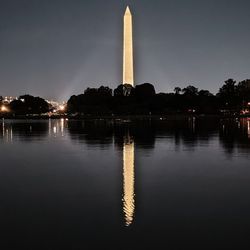
A beautiful area to explore, it works well with the Roosevelt Memorial if you are up for a walk around the estuary. I love the views of the Washington Monument and the park grounds, especially at night. You will find that the Jefferson Memorial isn't as busy (or rowdy) as Lincolns Memorial, bit there can still be a crowd at peak times (nights and evenings) If you are up for a bit of a wall, there is a foot bridge around the estuary west of the Memorial that is a great spot to make a panoramic photo of the Washington and Jefferson monuments. It's also the way to Roosevelt's memorial.
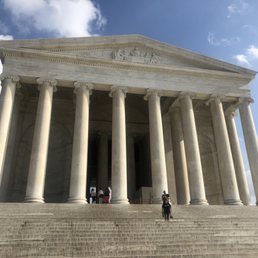

The Thomas Jefferson Memorial is out of the way from the National Mall which is where we were coming from but we knew that it was a stop we had to make. To get here, we walked south from the National Mall, past the MLK and FDR memorials along the Tidal Basin and crossing the bridge (known as the Ohio Drive Bridge) to get here. It requires a lot of walking so if you're not able you can take the D.C. Circulator bus for a small fee. It's majestic on the outside and beautiful on the inside. When you walk up the steps to get inside, you'll see a huge statue of Thomas Jefferson right in the center. All around the walls you'll see important quotes from him. From the steps of the memorial you can see the beaming National Monument. Unfortunately part of it was under construction when we went but we got to see enough. There's also a bookstore and gift shop at the top which was interesting (but not surprising) for such a historic monument. I've heard a lot of the Jefferson Memorial's popularity during the cherry blossom festival. If you get a chance to stop by during that time I'd take advantage of it!


Another memorial dedicated to one of the most influential presidents in history, Thomas Jefferson. To get the Jefferson Memorial is a bit long and might be out of the way when you see it on the map, but it is something all tourists must see. It's a nice statue of Thomas Jefferson and there are some quotes he has famously said. The bottom level has more facts about Thomas Jefferson, which tourists might not notice. During Cherry Blossom season, this is the ideal spot to see all the cherry blossoms and get a good view of it. The man who wrote the Declaration of Independence. One of original Americans and founding fathers. God Bless America!!! read more
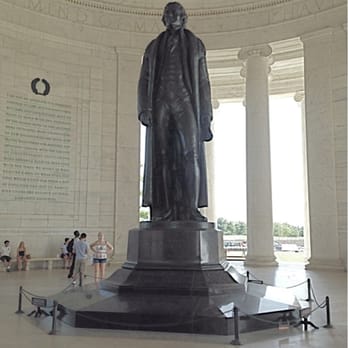


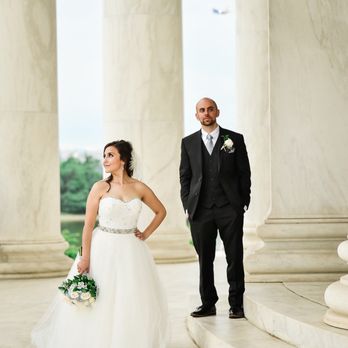
This is likely my favorite memorial to photograph in Washington DC. It is always beautiful, in any weather! They keep the facility very clean and well taken care of. It is always honor to document my families or couples at this historic place in DC. © Carol Solorzano - Wedding Photographer - www.dcorzo.com read more



16 years ago


13 years ago
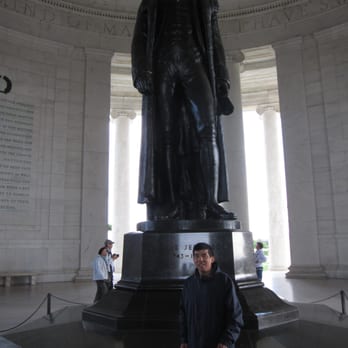
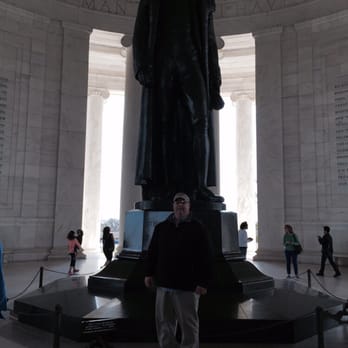
Now that I have visited the US CAPITOL there was another historic landmark that... I finally got to go and see which is the Thomas Jefferson Memorial!!! This was another dream come true famous land mark of Washington DC... And which I have waited for so many many years!!! read more






15 years ago
I went straight for the top to see the statue of Jefferson. It was okay... I don't know what I was expecting but at least I got to see it. read more


Terrific spot to people watch and take in the DC skyline while sitting on the memorial's many steps. The back sides of the memorial are often forgotten about but are beautiful less visited spots to also take in the views and architecture. read more


Many people come to DC and almost nobody misses the Lincoln Memorial, but poor Tom Jefferson, his Memorial, which is truly beautiful and in a lovely location right on the Tidal Basin, is undervisited. I took a sightseeing bus that stopped at Memorials to less important figures, but didn't even slow down for us to take a photo. I went back on my own, and I was glad that I did. This memorial is serene and majestic, paying homage to both Jefferson's most famous speeches and writings as well as a tacit tip of the hat to his Monticello home in the architecture of the building itself. It's a great place to take some photos at sundown or any time, so I would highly recommend you come and visit. read more


8 years ago
The Thomas Jefferson Memorial is a must see in person.The statue is insanely tall and the marble surrounding it is absolutely stunning.It has a great view of the tidal basin and also if you go on the elevator you are able to go down into a little museum.That is free and contains a gift shop and also History of Thomas Jefferson,It also contains a large timeline on the wall the describes his life and accomplishments. read more

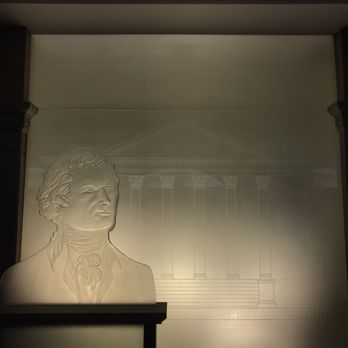

Such a beautiful memorial in such a fantastic location. I went on a Saturday expecting it to be extremely busy but it wasn't, partly because it was a little bit away from the rest of the National mall. Looking in is an enormous statue of Jefferson, looking out across the tidal basin is an amazing view. Being able to see the MLK memorial, as well as the Washington Monument, this is really such a great place to visit and remember one of America's most loved founding fathers! read more




6 years ago

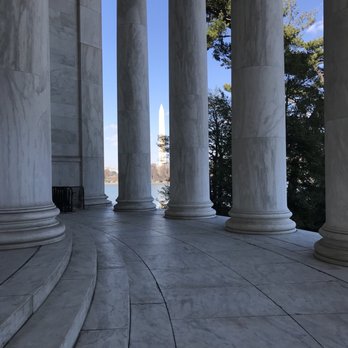
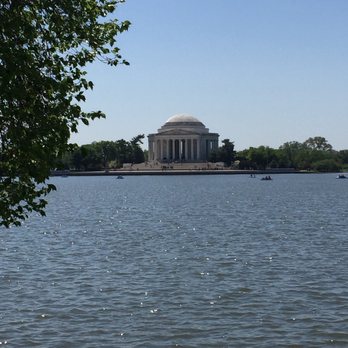
What a great sight to see while visiting in DC. It does sit a bit away from the National Mall and requires a bit of walking. There's steps leading up to see it. There's also an elevator but it's currently down. You have a great view of the water and the Washington Monument. A must see while in DC. read more



8 years ago
I'm glad I finally visited Thomas Jefferson Memorial. It's a beautiful piece of architecture along the Tidal Basin. It is simplistic, open, and airy. Standing on the steps you can view buildings and monuments and paddle boats. Thomas Jefferson Memorial is a little bit separate from the main stretch off the mall but it is definitely worth the short walk across the river. It is definitely awe inspiring as you walk up to it but it is truly fantastic as you walk inside. The memorial itself is beautifully done and invokes Thomas Jefferson in many ways, from the quotes engraved on the walls to the authentic Jeffersonian architecture. It is a peaceful place and a great tribute to the third President of US. A man of vision and liberty who owned slaves and fathered with a slave. I have such mixed feelings of admiration and awe for Jefferson, yet his treatment of property included denying the very freedom he envisioned and championed. NB: The Thomas Jefferson Memorial has no fees. recommended and 5/5 Tip: The monument is less crowded if you go early in the morning. read more


8 years ago

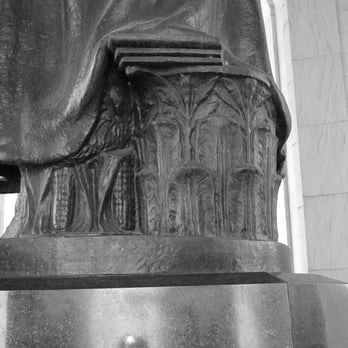
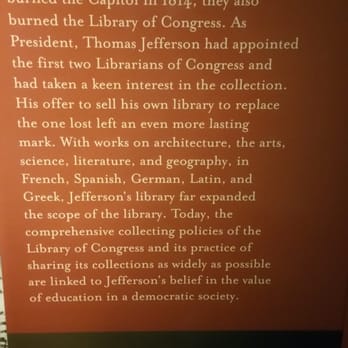
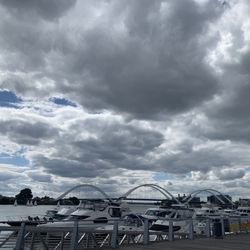
Given the enormous impact of Thomas Jefferson on the founding and early decades of the United States, I think it's a shame that his national memorial doesn't get more esteem, especially given that it's location is more beautiful than most. I accept my own portion of shame for being a wimp for many years and giving in to friends and guidebooks who noted that while pretty, the Jefferson Memorial is a long walk and not conveniently near a dozen other tourist sites or a Starbucks. For shame! (My personal guilt is doubled because he is a distant relative.) This trip, however, I decided it was time to buck up and visit. Timing necessitated a cab ride out to the memorial, but the $8 fare from Metro Center is entirely reasonable, especially considering the hot, muggy day and the cool, air-conditioned taxi. For those who need or want it, there's a small concession stand at the driveway selling ice cream, soda, and water bottles ($1.65); I recommend getting a water bottle if you plan to walk. The monument itself is impressive, to say the least. Beautiful architecture on a well-landscaped site, looks out over the tidal basin and Japanese cherry trees. (see photo) The massive bronze statue (see photo) faces north, keeping watch over the White House, as though the Sage of Monticello were offering oversight and advice to the occupant. Many of the tour buses DO come by here, so it's not surprising to see several groups of schoolkids visiting as I did. I certainly recommend pausing near them to admire the grandeur of the marble columns while eavesdropping on the history lesson provided by the teachers. (Example: Jefferson was widely considered to know everything there was to know at the end of the 18th century--scientific, philosophical, political, etc. Supposedly, JFK even remarked to a White House gathering of Nobel laureates and other top thinkers that no greater amount of living knowledge had been gathered in one place since Jefferson dined there alone.) The interior walls are engraved with excerpts from some of his great speeches, and the commanding statue fills the rotunda with Jefferson's gravitas. The clean, simple design has a power all it's own, even when inundated with rowdy teenagers. The tidal basin not only creates a beautiful backdrop, but along with the trees, it also cools the air, allowing for a very comfortable walk across the Potomac River inlet bridge, which offers nice panoramic views. (see photo) It's intrusive but impressive to watch the curving, low-altitude flight approach of major jets landing at nearby Reagan-National Airport. TRIVIA: According to NPS Ranger Dennis, the "most overlooked, under-appreciated aspect" of the memorial is the symbolism of the small features on the back of the statue. (see photo) The corn stalks represent his contributions to and respect for agriculture and agrarian society; the tobacco plants represent his strong work for the national economy (then based largely on tobacco); the books represent his scholarly endeavors, including selling his personal library of over 6500 books to the government to re-establish the Library of Congress after it was burned in the War of 1812; and finally, the vertical corn and tobacco combine with the horizontal books to form a Doric column, representing Jefferson's strong interest and influence in architecture. (He coordinated with George Washington, a surveyor, and Pierre L'Enfant to design and lay out Washington, DC.) read more




17 years ago

19 years ago


15 years ago


8 years ago
A beautiful tribute to one of our nation's greatest founders. This is definitely one of those "must see" attractions in DC. read more


8 years ago
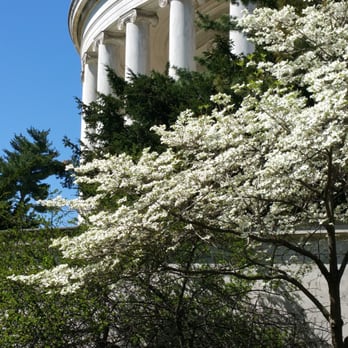
This is a historical place with no fee. Those people who want to have a look on this beautiful building and admire this great president would like to visit here. I have been there for twice, one was in the beginning of this year, the other was in the period that cherry blossom bloomed. This building seems like a temple, and the statue of Thomas Jefferson is inside. This site is built to memorize the third president of America. When the visitors enter the building, they can see a huge statue in the middle and the sentences on the wall. Then, you can know the idea and thought which came from Thomas Jefferson. The reason why I give this site five stars is that this is a really beautiful site to visit, especially when all the cherry blossoms bloom, the white building and the flower are combined together! read more

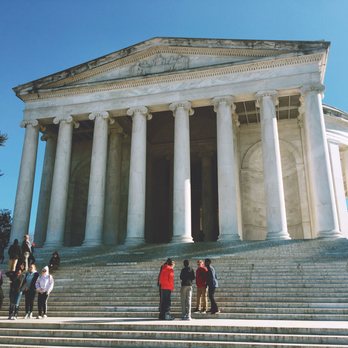


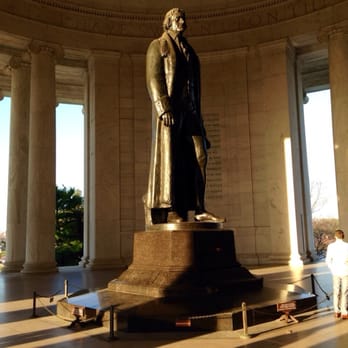
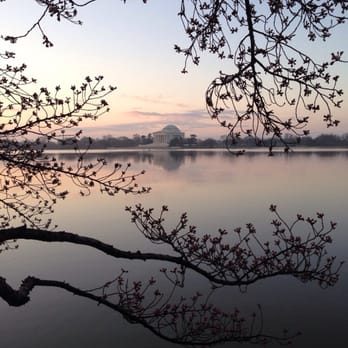


Been to Washington, D.C. Several times and finally got to come see Jeffersons memorial. It's so beautiful and the view is just breathtaking. It overseas the lake and you can see the Washington monument as well. A must see when you visit. Parking is hard to find and there is a lot of traffic. But it's worth the wait. You can probably see the memorial and museum all in 35 minutes. Gets a bit crowded and a lot of people like to sit on the stairs and relax. They have a snack bar nearby. Prices are pretty fair. read more


11 years ago
The Jefferson Memorial faces the tidal basin. To see it at night is breathtaking! To see it up close is humbling. To soak up the history of this monument is overwhelming! Thomas Jefferson was the second vice-president of the United States and the third President of The United States. He is credited with doing most of the writing for the Declaration of Independence and the Bill for Rights. Be sure to look up George Mason, as he was the key mentor to Jefferson and his writings. He too is remarkable and has a small memorial a few hundred yards from the Jefferson Memorial. Jefferson was also the Governor of Virginia! This is a wonderful memorial. Be sure to go to the downstairs area that has a display of quotations and more. There is also a gift shop filled with Jefferson memorabilia. The inscriptions are all worthy of thought and this is definitely a part of history for all of us! An Absolutely, Positively, Must see Memorial when in Washington DC read more



More info about Jefferson Memorial
Jefferson Memorial Reviews in Other Languages
Ask the Community - Jefferson Memorial
Review Highlights - Jefferson Memorial

















Why does Yelp recommend reviews?
40 reviews that are not currently recommended
The reviews below are not factored into the business's overall star rating.
10 years ago
11 years ago
10 years ago
7 years ago
8 years ago

10 years ago
10 years ago
11 years ago

8 years ago
10 years ago

10 years ago
11 years ago

9 years ago

13 years ago

10 years ago
9 years ago


9 years ago

16 years ago
Jefferson Memorial - landmarks - Updated September 2026
Best of Washington, DC
People found Jefferson Memorial by searching for…
Free Parking in Washington, DC
Open Late Museums in Washington, DC
24 Hour Library in Washington, DC
Scenic Night View in Washington, DC
Scenic Drive in Washington, DC
Sunrise View in Washington, DC
Scenic Overlook in Washington, DC
Abandoned Buildings in Washington, DC
24 Hour Study Spots in Washington, DC
Secluded Spots in Washington, DC
Places to Take Pictures at Night in Washington, DC
Public Shower in Washington, DC
Social Security Office in Washington, DC
Things to Do in Washington, DC
Indoor Public Space in Washington, DC
Browse Nearby
BEST of Washington, DC, District of Columbia Restaurants near Jefferson Memorial
BEST of Washington, DC, District of Columbia Coffee near Jefferson Memorial
BEST of Washington, DC, District of Columbia Things to Do near Jefferson Memorial
BEST of Washington, DC, District of Columbia Breakfast near Jefferson Memorial
BEST of Washington, DC, District of Columbia Photo Spots near Jefferson Memorial
BEST of Washington, DC, District of Columbia Scenic View near Jefferson Memorial
BEST of Washington, DC, District of Columbia Hotels near Jefferson Memorial
BEST of Washington, DC, District of Columbia Sightseeing near Jefferson Memorial
BEST of Washington, DC, District of Columbia Airport near Jefferson Memorial


