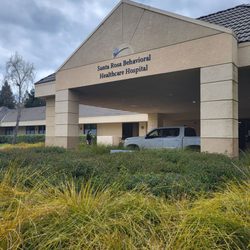
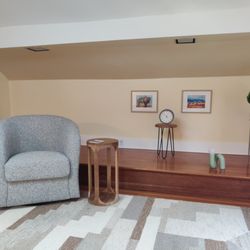
My recent stay at Santa Rosa Behavioral Health offered a revealing look into both the strengths and…read moreshortcomings of the facility. While food was provided in generous amounts, the nutritional value and reliance on snacks for emotional comfort raise concerns. For many patients, especially those forming new habits around coping and self-soothing, this can create or reinforce unhealthy associations with food. Beyond meals, television, brief therapy sessions, sleep, and basic coloring activities, there is very little available for meaningful engagement. Introducing a wider range of creative art projects, structured activities, and meditation practices would significantly enhance patients' ability to develop healthy coping mechanisms.
It's important to note that I participated in this week-long stay as part of a research experiment--a voluntary admission--however, staff were unaware of this distinction. Each division of the hospital appears to be run independently, which contributes to inconsistent communication and uneven patient experience.
Despite the facility's limitations, several staff members stood out for their professionalism, patience, and genuine care. My assigned team included Dr. Kuala, assistant and counselor Racquel, and Jordan and Dr. Blay, all of whom were attentive and highly professional throughout my stay.
In the 600 division, Maria, the head nurse, maintained a steady professional presence. Charles, the medical nurse attendant, was meticulous with medications and dosages. Conner, a therapist, brought levity and comfort through his guitar, singing voice, and calm, charismatic demeanor.
Among the MHTs, Edward and Teddy were especially thoughtful and supportive, and Ana's bright personality consistently lifted the atmosphere of an otherwise somber unit. These individuals work 12-16-hour shifts, often without meaningful breaks, yet they maintain composure, humor, and order--efforts that make a tremendous difference for patients who have little else to hold onto.
However, certain conditions deserve attention. Due to staffing shortages, I went nearly a week without any direct sunlight--something crucial for both mental and physical health. The mandatory quarter-hour checks at night, while necessary for safety, sometimes became grueling when doors were left fully open and harsh hallway lights made sleep difficult. Additionally, some phone messages were never passed along, which is distressing for patients whose only connection to the outside world is through loved ones.
Overall, Santa Rosa Behavioral Health has a dedicated and compassionate team working under difficult circumstances, but significant improvements in structure, activities, communication, and basic patient accommodations would greatly benefit those in their care. The staff named above deserve recognition for their exceptional commitment despite the limitations of the facility.