Limahuli Garden and Preserve Photos


You might also consider


More like Limahuli Garden and Preserve
Recommended Reviews - Limahuli Garden and Preserve
Start your review...


Reviews With Photos
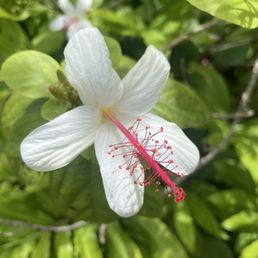

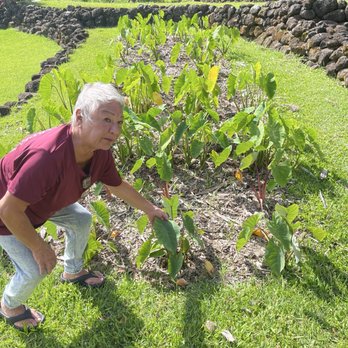
This was a very cool experience. We took the guided tour of the gardens and it was incredibly educational. Please understand that this tour will be about 2.5 to 3 hours long and it has a fair amount of walking including some uphill (but flip flops are fine). If you have young kids or teenagers, you might opt for the self-guided tour as their patience may run thin, which in turn will make your experience less enjoyable. Our guide was very knowledgeable about Hawaiian history, the local vegetation and other fun random knowledge (including showing us the hill that was the inspiration for the song "Puff the Magic Dragon"). She allowed us to touch, smell and even taste a few items including some edible flowers and a crazy hot pepper. Overall good experience especially if you are looking for something a little different.


During our honeymoon in Kauai, one of the goals my wife and I had was to better understand and respect Hawaiian history, culture, and the importance of preserving the islands. We felt that almost immediately when visiting Limahuli Garden & Preserve. From the moment you arrive and are asked to disinfect your shoes before entering, it becomes very clear how seriously they take the protection and preservation of their grounds. We chose to do the self guided tour so we could move at our own pace and fully take everything in, and we are so glad we did. As we worked our way through the guide booklet, we learned that the area visitors walk through is only a small portion of the overall preserve. Throughout the entire experience, you could genuinely feel that preserving native and endangered plant species is one of their highest priorities. It was even really special to see members of the garden staff actively working throughout different areas of the property during our visit. Supporting places like Limahuli is not only highly recommended, but incredibly important. Their mission to preserve Kauai's ecosystem, history, and natural beauty for future generations is something truly admirable. Overall, this was a beautiful, educational, and eye opening experience that gave us an even deeper appreciation for Hawaii's ongoing efforts to protect and restore the islands for generations to come.


Beautiful space to experience and learn about Kauai's ecology and nature. The preserve is large and includes a self guided tour. The trails are well maintained and the plants are easy to spot. The booklet includes lots of information about what you are looking at, whether it be plants, rock formations of the surrounding landscapes, or how the area was designed. The booklet includes a number and illustration of the plant, the plants have a little steaked number next to it to help identify it. Some are easier than others to identify. On your way in and out of the grounds are some bathrooms that are very clean and well maintained. The gift shop includes a variety of nature trinkets and art to help remember your time. Its worth the visit and a nice area to relax an dbe in nature.


This is a beautiful and relatively small garden that's doable in sandals (although we saw plenty of people in full on hiking attire). There are designated entry times upon ticket purchase due to parking limitations. Clean bathrooms and a booklet for those wandering the grounds without a guide thanks to clearly marked spots for stopping and looking up plants/flowers. Children and elderly friendly. We spent about 1.5 hrs going at a very leisurely pace.

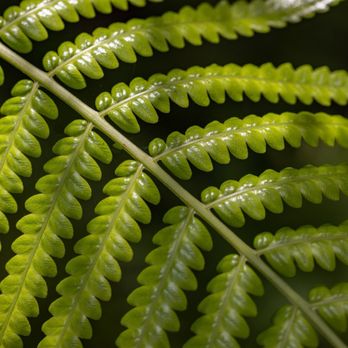
This is a must see and do for my wife and I when we visit Kauai. What a special place to experience. Staff are always friendly and courteous. I bring my camera and a macro lens and photograph the plants and surroundings. Make a reservation and walk the garden slowly and with your senses wide open. Even try walking the garden path without shoes.


This is one of the things you should not miss in Kauai. The garden and preserve has a lot of variety of trees, plants and flowers. As the name suggests, the place is well preserved. You need to make a reservation to visit which includes parking. The self guided tour is a loop trail that is 3/4 miles long and has a lot of steps. A visit here is definitely worth it with the beautiful landscape and wide variety of plants, many of which are endangered and can only be found here.


The Limahuli Garden and Preserve touts a biodiversity garden featuring native plants on 17 acres. Visiting this place was more than I expected. Walking the grounds: The trails were well maintained. Wheelchairs and walkers would not be a good idea. The gradual elevation change allows you to stroll along at a leisurely pace and without struggle. Beautiful views can be captured if you take the time to look beyond the plants. My only feedback is plant recognition. As a novice plant lover, I relied on the pamphlet or signage to educate me on what I was looking at. If I referred to the book, I was not able to identify which plant I was looking at. If I looked at the plant signage, i was unable to connect which plant the sign was referring to. An appendix at the end of the pamphlet would be nice. There were only a few sketches which were helpful, but More Pictures or sketches would be better for the patron. Bathrooms -super clean and a necessity for anyone! Gift shop: small selection of trinkets which is good enough to offer. 'Smart inventory management!' Affordability: I didn't mind paying $30 for such beauty. A family with children and seniors may struggle to pay the fees.


This was simply amazing throughout. It felt like you were in another world and it was absolutely beautiful. The book they give you before seeing all the trees, flowers, shrubs, mountains, etc. is so helpful and informative. We loved how they included all the Hawaii names and many legends as well. Some of the plants, flowers, and trees are no longer found in the wild. Overall, just fabulous. Take your time and enjoy the view from mountains all the way to the ocean. What a treat.
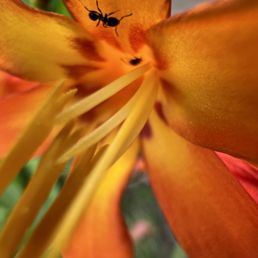

If you are interested in biodiversity, ecology, cultural history, or native species conservation then this garden and preserve is a beautiful way to spend a couple of hours on the north shore. We took a self-guided tour. However, if a guided tour had been available on the day of our visit, it would have been our preference. The preserve provides a pamphlet to read at various markers as you walk the loop. The booklet contains both botanical facts and cultural history of the plants and the area. My only critique is that the pamphlet and the loop markers don't have botanical sketches, so it can be difficult to know which plant they are referring to (and why I believe a guided tour would be better). As others have pointed out, you will need to make a reservation to visit and either reserve a parking space, or ride the north shore shuttle. Additoinally, this tour is a bit different from the other two options on the island. Its main focus is on cultural history of native plants, their various native historical uses, and on conservation of threatened island species. From what I've read, the other two garden tours are more focused on ornamentals and beautiful grounds / landscapes. We are glad we made it out to this remote spot on the north shore and we would likely visit again for a guided tour if we found ourselves staying on the north shore again.
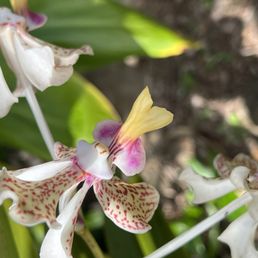

Best place to really know what it means for Kauai to be named as the garden isle. This place teaches you all about the history of all of the plants that make up Kauai Island and the rest of the other islands. It is truly a living classroom to learn about ancient Hawaiian plants and culture in the spectacular beauty of their natural setting. Make sure to reserve your spot for the self guided tour. It is $25 per person. Unfortunately, at this time guided tours with a docent is not currently offered. It would have been nice for this plant nerd to absorb their vast knowledge. Maybe next time. The self guided tour will take about an hour to hour and a half. Honestly though, one should time to learn about every single plant and to just enjoy the majestic mountain view's and just commune with nature.


It's a nice relaxing place to get to know about local plants of Hawaii. Tour takes about one hour , walking at a leisurely pace . Better to book online and reserve your time slot.


Wonderful sight to see along Kauai's north shore! Got to see a variety of biomes from dense forest to highland terrain to ocean views. Also got to see a wide variety of plants. It was very helpful to have a walking stick to go up the steep hills. A great place to visit if you enjoy nature and learning about plants!


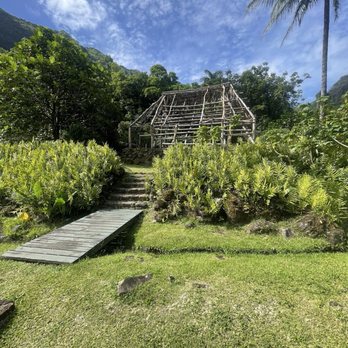
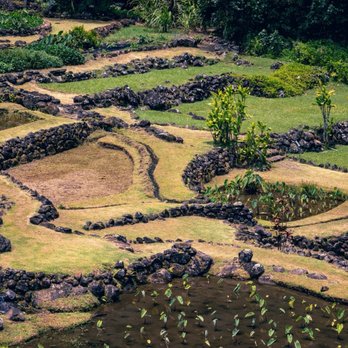
Whenever I travel, I find it important to experience and understand the culture of the place that I am going to in a respectful way. My friends say I am the queen of finding authentic experiences, many of them by coincidence because of getting to know local folk wherever we go. I think that people forget that the places that we travel to are not just about us escaping our winters or getting that perfect Instagram shot. They are somebody's home. So I try to be a good guest. Why am I talking about this? Because, the place that we visited this day is sacred in a lot of ways and is all about preserving and appreciating the past. What is so special about this 17 acre garden? I will start by saying that it wasn't the most striking, colorful or beautiful garden I have ever seen, but in the small ways it lacked to the common eye, it made up for it ten fold in history, spirit and overall experience. In 1997, Limahuli Garden was selected by the American Horticultural Society as the best natural botanical garden in the United States. This is because they focus on the original plants brought by settling Polynesians to Hawaii in canoes as well as indigenous plant species to the island. The property is sacred and offers a unique perspective into how original Hawaiian civilization cultivated the land. The stone walls that you see almost a thousand years old. Surprise, surprise, it was raining when we arrived, and a wink of the sun through the clouds had us exiting our car in the parking lot and entering for our reservation. SO brought the rain jacket that I had packed him; I decided that I was going to wing it. Note, you must leave your parking spot after your reservation and cannot walk across the street to also enjoy Tunnels Beach, but know that this tour combined with Tunnels is a perfect afternoon. This is what we did. When you arrive for your reservation, you walk through a mechanism that cleans your shoes so that you aren't bringing any harmful flora or fauna into their landscape. The self guided tour took about two hours, although you could spend more or less time there if you like. They also have guided tours, and I would love to do this next time I'm on the island. The tour requires some walking uphill, and may not be the perfect place to visit if you are looking for handicap accessibility or have mobility challenges. The ticket price is $30 per person which is well worth it. It includes a lovely paper book that helps you to be guided along and makes a great souvenir. Their collection includes the largest assembly of native Hawaiian plant species and breadfruit varieties in existence. Many of the species in their garden are threatened and endangered or have disappeared from their native habitats. The early Hawaiian people had very limited resources by today's standards. So to support a growing population, the indigenous people had to to develop an innovative system to manage what they had. On our self guided tour, we learned how ancient Hawaiians used terracing, river diversion, and other engineering techniques to preserve the valley's rich ecosystem. Link to experience-https://youtu.be/GGSLit7hcM4 We got to walk through these ancient farming systems and see the river and fruit trees, as well as herbs that were used as medicine. We also got to explore areas of indigenous plants, some that had single digit numbers in the wild or were not known to exist anywhere else than this garden! There are nearly 250 different varieties of native plants and birds in the Limahuli Valley and about 50 of them are on the verge of extinction. They also had an area that focused on plants that were introduced later or were invasive to native Hawaii. There were historic archaeological sites as well. Along the way, you got to read stories of the many different challenges that the Hawaiian islands faced when it came to leadership, settlement, rulers and invasions. You also got to understand the symbiotic relationship between nature, people and spiritual beliefs, something you still see today cherished by the native people. Hearing about how initially there were no large land animals to hunt and how very few of the native plants were edible was fascinating. It's incredible to think that voyaging Polynesians reserved space in there canoes for their most important plants. Our final stop was an ancient Hawaiian hale or house reconstructed in the footprint of an ancient Hawaiian housing complex. This hale was built in 2013, the construction led by cultural elders, and was utilized to pass on knowledge to a new generation, helping to preserve the culture. I highly recommend taking the time to make a reservation for this amazing garden. The education that they are providing and the preservation they are working on is absolutely incredible.


A must see place for anyone interested in nature and biodiversity. There is a huge emphasis on respect for the land, plants, and ancient burial grounds here. You get a guidebook that takes you through the 50 or so marked locations, and the entire self-guided tour takes about 90 minutes. This was one of my favorite stops during our trip. Takeaways: make a reservation to guarantee a parking spot, wear comfortable footwear, and do NOT sit on the rocks!! There are plenty of benches to sit on. read more


This was a very cool experience. We took the guided tour of the gardens and it was incredibly educational. Please understand that this tour will be about 2.5 to 3 hours long and it has a fair amount of walking including some uphill (but flip flops are fine). If you have young kids or teenagers, you might opt for the self-guided tour as their patience may run thin, which in turn will make your experience less enjoyable. Our guide was very knowledgeable about Hawaiian history, the local vegetation and other fun random knowledge (including showing us the hill that was the inspiration for the song "Puff the Magic Dragon"). She allowed us to touch, smell and even taste a few items including some edible flowers and a crazy hot pepper. Overall good experience especially if you are looking for something a little different. read more






1 month ago

4 months ago
During our honeymoon in Kauai, one of the goals my wife and I had was to better understand and respect Hawaiian history, culture, and the importance of preserving the islands. We felt that almost immediately when visiting Limahuli Garden & Preserve. From the moment you arrive and are asked to disinfect your shoes before entering, it becomes very clear how seriously they take the protection and preservation of their grounds. We chose to do the self guided tour so we could move at our own pace and fully take everything in, and we are so glad we did. As we worked our way through the guide booklet, we learned that the area visitors walk through is only a small portion of the overall preserve. Throughout the entire experience, you could genuinely feel that preserving native and endangered plant species is one of their highest priorities. It was even really special to see members of the garden staff actively working throughout different areas of the property during our visit. Supporting places like Limahuli is not only highly recommended, but incredibly important. Their mission to preserve Kauai's ecosystem, history, and natural beauty for future generations is something truly admirable. Overall, this was a beautiful, educational, and eye opening experience that gave us an even deeper appreciation for Hawaii's ongoing efforts to protect and restore the islands for generations to come. read more


Beautiful space to experience and learn about Kauai's ecology and nature. The preserve is large and includes a self guided tour. The trails are well maintained and the plants are easy to spot. The booklet includes lots of information about what you are looking at, whether it be plants, rock formations of the surrounding landscapes, or how the area was designed. The booklet includes a number and illustration of the plant, the plants have a little steaked number next to it to help identify it. Some are easier than others to identify. On your way in and out of the grounds are some bathrooms that are very clean and well maintained. The gift shop includes a variety of nature trinkets and art to help remember your time. Its worth the visit and a nice area to relax an dbe in nature. read more


2 years ago
This is a beautiful and relatively small garden that's doable in sandals (although we saw plenty of people in full on hiking attire). There are designated entry times upon ticket purchase due to parking limitations. Clean bathrooms and a booklet for those wandering the grounds without a guide thanks to clearly marked spots for stopping and looking up plants/flowers. Children and elderly friendly. We spent about 1.5 hrs going at a very leisurely pace. read more


1 year ago
10 months ago
1 year ago
This is a must see and do for my wife and I when we visit Kauai. What a special place to experience. Staff are always friendly and courteous. I bring my camera and a macro lens and photograph the plants and surroundings. Make a reservation and walk the garden slowly and with your senses wide open. Even try walking the garden path without shoes. read more





3 years ago
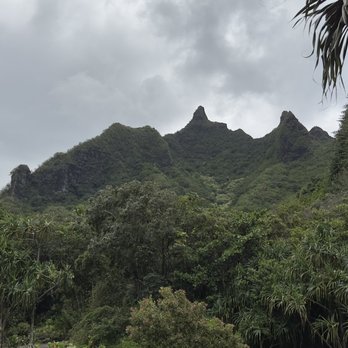
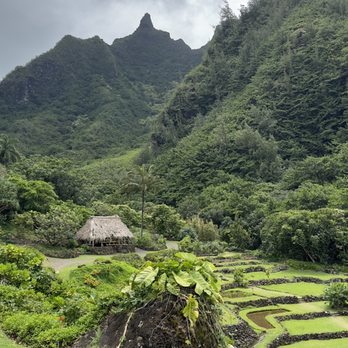
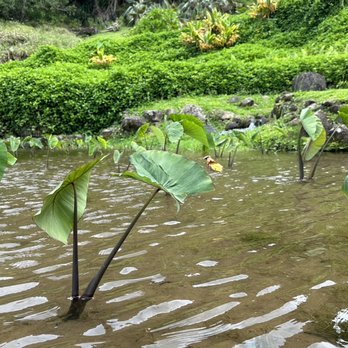
This is one of the things you should not miss in Kauai. The garden and preserve has a lot of variety of trees, plants and flowers. As the name suggests, the place is well preserved. You need to make a reservation to visit which includes parking. The self guided tour is a loop trail that is 3/4 miles long and has a lot of steps. A visit here is definitely worth it with the beautiful landscape and wide variety of plants, many of which are endangered and can only be found here. read more





1 year ago

3 years ago
The Limahuli Garden and Preserve touts a biodiversity garden featuring native plants on 17 acres. Visiting this place was more than I expected. Walking the grounds: The trails were well maintained. Wheelchairs and walkers would not be a good idea. The gradual elevation change allows you to stroll along at a leisurely pace and without struggle. Beautiful views can be captured if you take the time to look beyond the plants. My only feedback is plant recognition. As a novice plant lover, I relied on the pamphlet or signage to educate me on what I was looking at. If I referred to the book, I was not able to identify which plant I was looking at. If I looked at the plant signage, i was unable to connect which plant the sign was referring to. An appendix at the end of the pamphlet would be nice. There were only a few sketches which were helpful, but More Pictures or sketches would be better for the patron. Bathrooms -super clean and a necessity for anyone! Gift shop: small selection of trinkets which is good enough to offer. 'Smart inventory management!' Affordability: I didn't mind paying $30 for such beauty. A family with children and seniors may struggle to pay the fees. read more



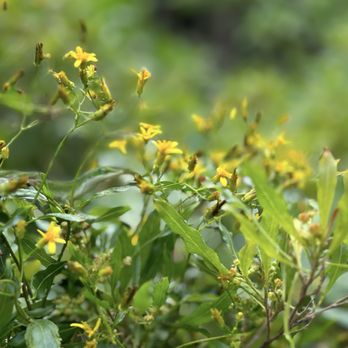

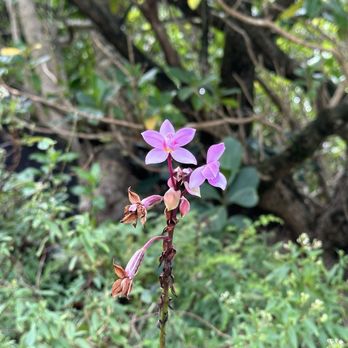
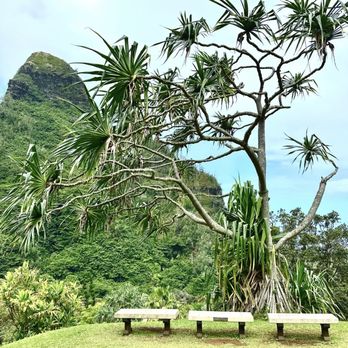


1 year ago

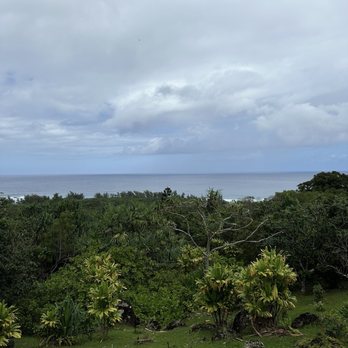
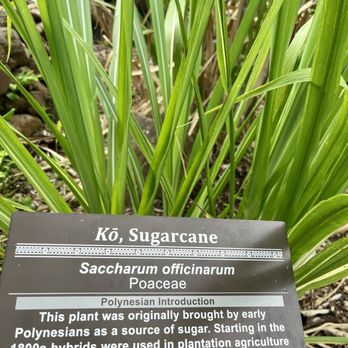
This was simply amazing throughout. It felt like you were in another world and it was absolutely beautiful. The book they give you before seeing all the trees, flowers, shrubs, mountains, etc. is so helpful and informative. We loved how they included all the Hawaii names and many legends as well. Some of the plants, flowers, and trees are no longer found in the wild. Overall, just fabulous. Take your time and enjoy the view from mountains all the way to the ocean. What a treat. read more

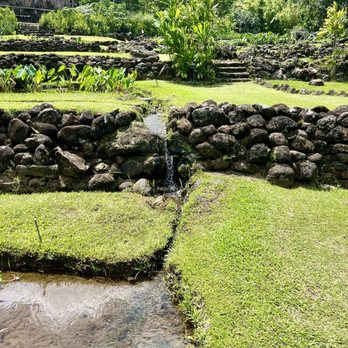


2 years ago
If you are interested in biodiversity, ecology, cultural history, or native species conservation then this garden and preserve is a beautiful way to spend a couple of hours on the north shore. We took a self-guided tour. However, if a guided tour had been available on the day of our visit, it would have been our preference. The preserve provides a pamphlet to read at various markers as you walk the loop. The booklet contains both botanical facts and cultural history of the plants and the area. My only critique is that the pamphlet and the loop markers don't have botanical sketches, so it can be difficult to know which plant they are referring to (and why I believe a guided tour would be better). As others have pointed out, you will need to make a reservation to visit and either reserve a parking space, or ride the north shore shuttle. Additoinally, this tour is a bit different from the other two options on the island. Its main focus is on cultural history of native plants, their various native historical uses, and on conservation of threatened island species. From what I've read, the other two garden tours are more focused on ornamentals and beautiful grounds / landscapes. We are glad we made it out to this remote spot on the north shore and we would likely visit again for a guided tour if we found ourselves staying on the north shore again. read more
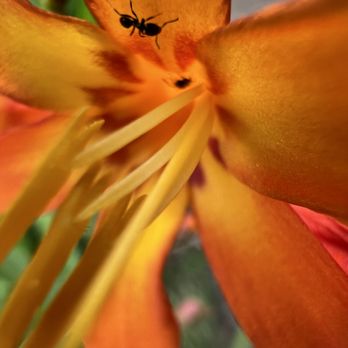


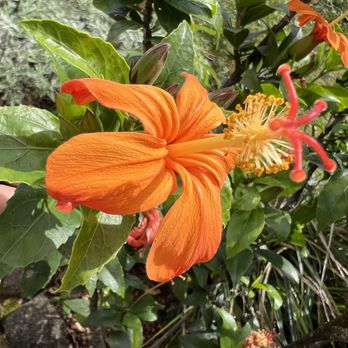

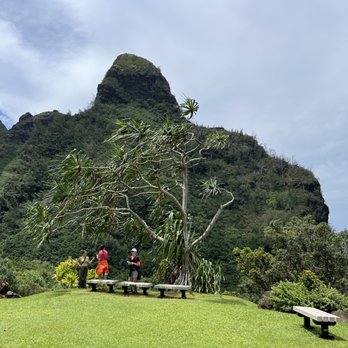

Best place to really know what it means for Kauai to be named as the garden isle. This place teaches you all about the history of all of the plants that make up Kauai Island and the rest of the other islands. It is truly a living classroom to learn about ancient Hawaiian plants and culture in the spectacular beauty of their natural setting. Make sure to reserve your spot for the self guided tour. It is $25 per person. Unfortunately, at this time guided tours with a docent is not currently offered. It would have been nice for this plant nerd to absorb their vast knowledge. Maybe next time. The self guided tour will take about an hour to hour and a half. Honestly though, one should time to learn about every single plant and to just enjoy the majestic mountain view's and just commune with nature. read more


5 years ago
It's a nice relaxing place to get to know about local plants of Hawaii. Tour takes about one hour , walking at a leisurely pace . Better to book online and reserve your time slot. read more


2 years ago
Wonderful sight to see along Kauai's north shore! Got to see a variety of biomes from dense forest to highland terrain to ocean views. Also got to see a wide variety of plants. It was very helpful to have a walking stick to go up the steep hills. A great place to visit if you enjoy nature and learning about plants! read more




4 years ago
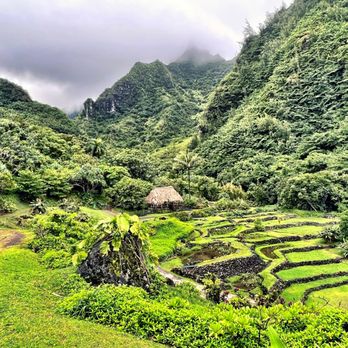
Whenever I travel, I find it important to experience and understand the culture of the place that I am going to in a respectful way. My friends say I am the queen of finding authentic experiences, many of them by coincidence because of getting to know local folk wherever we go. I think that people forget that the places that we travel to are not just about us escaping our winters or getting that perfect Instagram shot. They are somebody's home. So I try to be a good guest. Why am I talking about this? Because, the place that we visited this day is sacred in a lot of ways and is all about preserving and appreciating the past. What is so special about this 17 acre garden? I will start by saying that it wasn't the most striking, colorful or beautiful garden I have ever seen, but in the small ways it lacked to the common eye, it made up for it ten fold in history, spirit and overall experience. In 1997, Limahuli Garden was selected by the American Horticultural Society as the best natural botanical garden in the United States. This is because they focus on the original plants brought by settling Polynesians to Hawaii in canoes as well as indigenous plant species to the island. The property is sacred and offers a unique perspective into how original Hawaiian civilization cultivated the land. The stone walls that you see almost a thousand years old. Surprise, surprise, it was raining when we arrived, and a wink of the sun through the clouds had us exiting our car in the parking lot and entering for our reservation. SO brought the rain jacket that I had packed him; I decided that I was going to wing it. Note, you must leave your parking spot after your reservation and cannot walk across the street to also enjoy Tunnels Beach, but know that this tour combined with Tunnels is a perfect afternoon. This is what we did. When you arrive for your reservation, you walk through a mechanism that cleans your shoes so that you aren't bringing any harmful flora or fauna into their landscape. The self guided tour took about two hours, although you could spend more or less time there if you like. They also have guided tours, and I would love to do this next time I'm on the island. The tour requires some walking uphill, and may not be the perfect place to visit if you are looking for handicap accessibility or have mobility challenges. The ticket price is $30 per person which is well worth it. It includes a lovely paper book that helps you to be guided along and makes a great souvenir. Their collection includes the largest assembly of native Hawaiian plant species and breadfruit varieties in existence. Many of the species in their garden are threatened and endangered or have disappeared from their native habitats. The early Hawaiian people had very limited resources by today's standards. So to support a growing population, the indigenous people had to to develop an innovative system to manage what they had. On our self guided tour, we learned how ancient Hawaiians used terracing, river diversion, and other engineering techniques to preserve the valley's rich ecosystem. Link to experience-https://youtu.be/GGSLit7hcM4 We got to walk through these ancient farming systems and see the river and fruit trees, as well as herbs that were used as medicine. We also got to explore areas of indigenous plants, some that had single digit numbers in the wild or were not known to exist anywhere else than this garden! There are nearly 250 different varieties of native plants and birds in the Limahuli Valley and about 50 of them are on the verge of extinction. They also had an area that focused on plants that were introduced later or were invasive to native Hawaii. There were historic archaeological sites as well. Along the way, you got to read stories of the many different challenges that the Hawaiian islands faced when it came to leadership, settlement, rulers and invasions. You also got to understand the symbiotic relationship between nature, people and spiritual beliefs, something you still see today cherished by the native people. Hearing about how initially there were no large land animals to hunt and how very few of the native plants were edible was fascinating. It's incredible to think that voyaging Polynesians reserved space in there canoes for their most important plants. Our final stop was an ancient Hawaiian hale or house reconstructed in the footprint of an ancient Hawaiian housing complex. This hale was built in 2013, the construction led by cultural elders, and was utilized to pass on knowledge to a new generation, helping to preserve the culture. I highly recommend taking the time to make a reservation for this amazing garden. The education that they are providing and the preservation they are working on is absolutely incredible. read more



2 years ago
We had a self-guided tour through the garden. Learned about the cultural significance of many plants. It was a warm day, but there was a lot of shady spots along the way. Lovely views of the valley, Makana and the ocean. read more


2 years ago

3 years ago
Beautiful garden with a lot of views. Nice easy walk and was great for all ages. I'd recommend just calling ahead, due to the location once they are filled they can't take any walk-ins. read more


Despite the extraordinary views at the top of the route there simply isn't enough here to warrant paying for this hike. I love plants and gardens and was excited to experience spectacular specimen plants in their natural environment. Alas it was a very thin presentation. Now in defense i think the garden is going thru a "transitional" phase. Regardless it was not worth $60 to go on a hike. read more


2 years ago

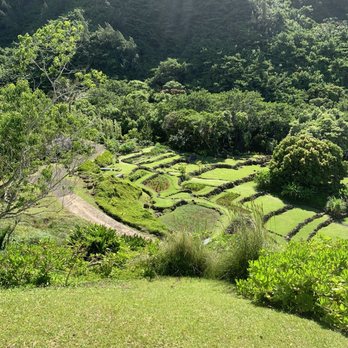
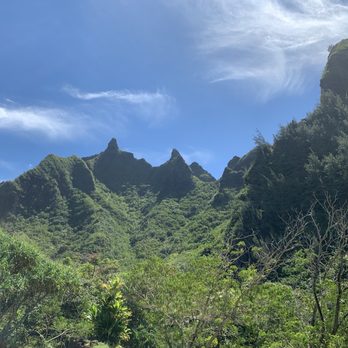
Limahuli Garden & Preserve is off the beaten path, but it would be well worth the journey to experience the beauty of Kauai. It is definitely a unique and different thing to do when you are visiting the island. It's beautiful gardens showcase a lot of the different plant life that was native and invasive to the island's horticulture landscape. As you traverse the different terrain and start your hike by going through the taro loi's, you quickly realize how the plant life served a purpose for the people that migrated there and ultimately made their homes. Follow along the guidebooks that are available at the office. It provide a lot of interesting insight to the history of the plants and their purpose. Be sure to wear comfortable shoes as you are going to be on pathways, but there is a pretty good elevation change as you hike up and down through the garden journey. Bring a good amount of water to, while it can be rainy in the area, it also can get pretty warm as well. It is definitely a bit of a journey to get there, but make it part of a day adventure to the north shore of the island and you won't be disappointed. read more


3 years ago
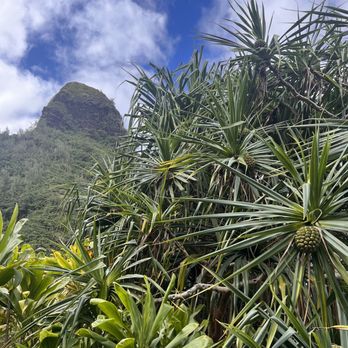
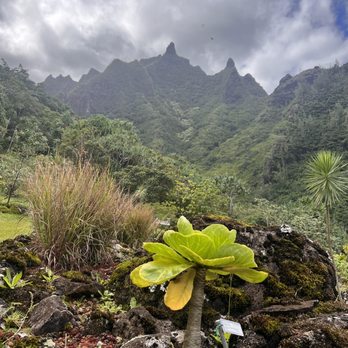
Great way to absorb the beauty of nature and learn about Hawaii's biodiversity. Loved that they provide an informational booklet discussing history and the plants in the garden. Make sure to reserve tickets beforehand and soak in the view. A must when visiting Kauai. read more

2 years ago

4 years ago

4 years ago
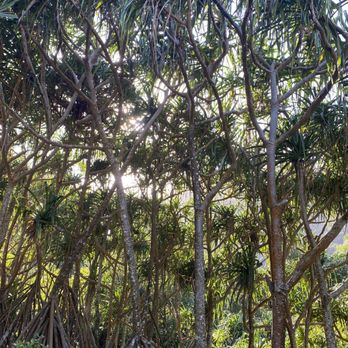
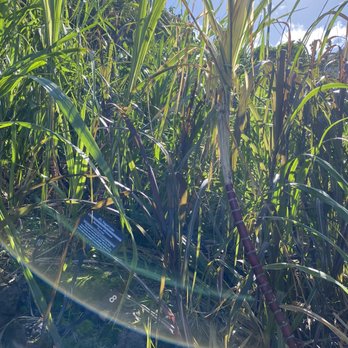
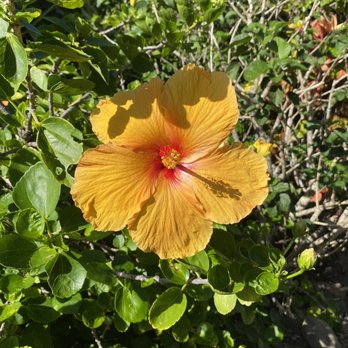
A beautiful landscape and so much history. We showed up without a reservation (oops) but they were very accommodating. I understand that they cannot be as flexible every day, so we were lucky. It's $25 per person, but totally worth it. They gave us a booklet with huge amounts of information that describes the plants and the history of Hawaii. On a self guided tour you follow the booklet which has precise instructions and walk about 3/4 mile around the garden. There's so many different species of plants that it's hard to comprehend. There's so many colorful flowers, and odd looking trees that you can only marvel at it's beauty. It's also located and nestled in the mountains and gives this place a type of grandeur. After doing the self guided tour I think I have a better understanding of Hawaiian culture and traditions after this. I would definitely want to come back to do a guided tour. read more





3 years ago
4 years ago
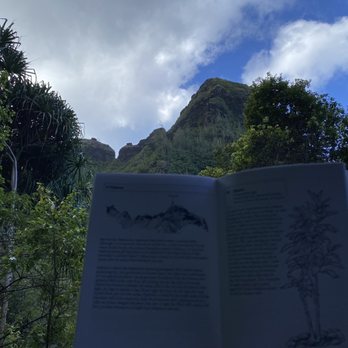
The absolute best botanical garden I've ever been to!! They did amazing with the amount of effort they put into the booklets, the Hawaiian legends, and the pathways. If I could I would do an internship here just to learn and help out the valley. The staff were also so wonderful and they take really good care of the garden. PLEASE MAKE A RESERVATION AND KNOW THE PRICES BEFORE GOING. They deal with a lot of tourists that argue with them bc they can't let everyone in. Don't be that tourist! This park is especially amazing bc they regulate the amount of people going in. Not a lot of places do that in the state which is what makes kaua'i special read more



3 years ago

4 years ago
Amazing pamphlet offering insight into the plants of Kaui. Lots of chickens, wild monstera deliciosa, and lots of rare plants and hibiscus varieties for me to nerd out on. What a truly special experience, and right next to the beach too! read more


3 years ago
2 years ago

5 years ago
Page 1 of 3