Mililani Mauka Elementary School Photos


You might also consider


More like Mililani Mauka Elementary School
Recommended Reviews - Mililani Mauka Elementary School
Start your review...


Reviews With Photos


Absolutely love this school, the staff is very friendly and welcoming. The teachers there truly care about be children and there well being. I love that they are all in AC buildings because the days can get so hot here.


This is an awesome elementary school for grades junior K thru the 5th grade. One of the first high tech schools in Mililani. Yes, they use iPads too!! Very clean, well organized and the staff from teachers, custodians, educational assistants & administrative operations, do an excellent job in making this school a blue ribbon school. Every morning & afternoon, various staff help to load & unload the children in & out of the vehicles at drop off & pick up. Organized and so much safer for everyone! The curriculum more than meets the standard, in fact it surpasses it. With having had experience at the rival school, Momilani Elem. in Pearl City, I feel that Mililani Mauka is better prepared to teach all children, wether your child excels or is the average child. You don't sense favoritism or prejudice. Everyone is treated equally. And each staff member involved with your child is attentive and caring towards them and their needs. I can go on and on, but I'll stop here. This is a top school and my children are happy here and are proud to attend this school!! read more


5 years ago

We love this school! The teachers and staff are amazing & their curriculum is top notch imo. My daughter is so gregarious & outgoing that she is well known around the school. I am humbled by the kind words from other teachers, faculty & staff members, & parents about her where ever I go. My kids thrive & flourish here & this school contributed to that. The teachers do a great job in communicating expectations & keeping parents informed on their children's progress. They respectfully address any of my concerns & respond in a timely manner. They have great field-trips & host many family/parent & child involvement activities. I really like how Hawaiian & Japanese studies is incorporated into the curriculum too. One of the best public schools I know. I am so proud and glad my kids are a part of the Mililani Mauka Golden Eagle family. read more


8 years ago
Absolutely love this school, the staff is very friendly and welcoming. The teachers there truly care about be children and there well being. I love that they are all in AC buildings because the days can get so hot here. read more


My last child has finally finished at this school. My daughter loved all of her teachers and her experience at Mauka. The funny thing is, she was never in the "teacher kids" class, until her 5th grade year- lol!! If you go here you might figure that out. Let me explain: the teachers who teach here place their own children in these teachers classes. Well, she got a citizen of the quarter award every year except for 5th - any guesses on who got it? My poor son on the other hand, ended up in the teacher kid track and got 1 award for his class throughout his entire stay there (he really sensed the favoritism in each of his classes and would verbalize it, impacting his desire to even try for anything "extra") But that doesn't negate the fact that they loved most of their teachers, administration, counselors, the opportunities, and experience. Too bad the background politics exist, they should really look into this practice. read more


12 years ago

13 years ago

11 years ago
More info about Mililani Mauka Elementary School
95-1111 Makaikai St
Mililani, HI 96789
Directions
(808) 626-3350
Call Now
Visit Website
http://www.milmauka.k12.hi.us/
Hours
Other Amenities
From the Business
Ask the Community - Mililani Mauka Elementary School
You might also consider











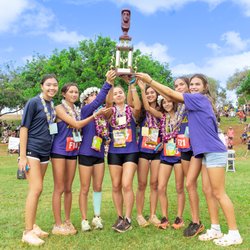
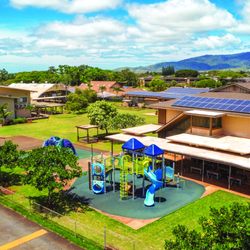








Mililani Mauka Elementary School - elementaryschools - Updated September 2026
Browse Nearby
BEST of Mililani, Hawaii Coffee near Mililani Mauka Elementary School
BEST of Mililani, Hawaii Things to Do near Mililani Mauka Elementary School
BEST of Mililani, Hawaii Restaurants near Mililani Mauka Elementary School
BEST of Mililani, Hawaii Preschools near Mililani Mauka Elementary School
BEST of Mililani, Hawaii Summer Camps near Mililani Mauka Elementary School
BEST of Mililani, Hawaii Tutoring Centers near Mililani Mauka Elementary School
BEST of Mililani, Hawaii Colleges & Universities near Mililani Mauka Elementary School
BEST of Mililani, Hawaii Sushi near Mililani Mauka Elementary School
BEST of Mililani, Hawaii Gymnastics for Kids near Mililani Mauka Elementary School
Browse Brands
Browse Articles
People found Mililani Mauka Elementary School by searching for…
Middle Schools & High Schools in Mililani, HI
Private Schools in Mililani, HI
Tutoring Centers in Mililani, HI
Playgrounds for Kids in Mililani, HI
Mommy and Me Classes in Mililani, HI
Progressive Church in Mililani, HI
Tutoring for Kids in Mililani, HI
Colleges & Universities in Mililani, HI
Kindergarten Schools in Mililani, HI
Performing Arts in Mililani, HI