
Parker Ranch
Parker Ranch Photos


You might also consider


More like Parker Ranch
Recommended Reviews - Parker Ranch
Start your review...


Reviews With Photos


This place is a bit out of the way but worth a stop to see a slice of the cattle business on the Big Island. Many items on historical display on the Islands will reference what I will label "evil foreigners", meaning the underlying theme of life was better off without the non-islanders. Yet this display is able to communicate the yin yang of the woven relationship between all of the cultures and specifically how cattle ranching was and continues to be crucial to life in the Islands.


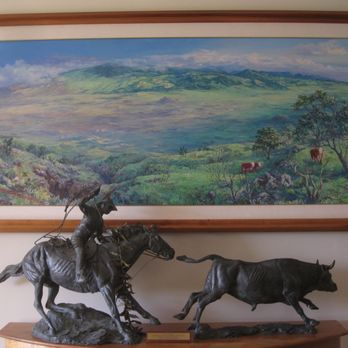
Parker Ranch is such a nice gem in Waimea (Kamuela) and full of history; in fact, they have been featuring on Scenic Hawaii Channel (now Experience Hawaii). As of Summer 2024, they only offer self-guided tours at 10:00 AM, 11:00 AM, and 1:00 PM on Mondays, Tuesdays, and Wednesdays. But if you are able to make it out to Parker Ranch, it is so worth it. There are a couple houses that you can go into (including the main one which you check-in with the staff), and then select parts of the grounds, and you might even see the cattle and horses along the way. read more




4 years ago

This place is a bit out of the way but worth a stop to see a slice of the cattle business on the Big Island. Many items on historical display on the Islands will reference what I will label "evil foreigners", meaning the underlying theme of life was better off without the non-islanders. Yet this display is able to communicate the yin yang of the woven relationship between all of the cultures and specifically how cattle ranching was and continues to be crucial to life in the Islands. read more


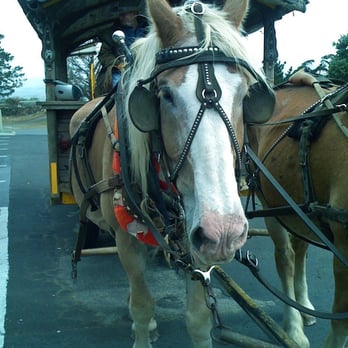
This Ranch / Museum was THE highlight of our time on the big Island. I suppose if you aren't into museums, you may not look twice... But DO! There is a movie that tells all about the Beef we eat! HEY FOODIE... did you hear that? yeah, our Beef, raised on grass first, then shipped off to CANADA then to Safeway- If you are lucky enough to live in HAWAII, their portion continues to eat grass until they hit the slaughter house! Then There is all this family intrigue... and a house made of KOA wood- over a million dollars worth! go inside! They have a hay ride, pony rides, petting Zoo, ATV rentals, & horseback riding. The nearby town is all about the Parker family, And they have a store with their items, and many other fun things that will tickle your fancy! Look for art, gardens, shopping, Eats, Museum, animals, motor fun, etc. This place is GREAT! read more



7 years ago


14 years ago

14 years ago

8 years ago

15 years ago

9 years ago
15 years ago

10 years ago
16 years ago
More info about Parker Ranch
66-1304 Mamalahoa Hwy
Kamuela, HI 96743
Directions
(808) 885-7311
Call Now
Visit Website
http://www.parkerranch.com
Hours
Payment methods
Outdoor Amenities
Other Amenities
From the Business
Parker Ranch Reviews in Other Languages
Ask the Community - Parker Ranch
You might also consider



















Parker Ranch - wildlifehunting - Updated September 2026
Best of Kamuela
People found Parker Ranch by searching for…
Browse Nearby
BEST of Kamuela, Hawaii Restaurants near Parker Ranch
BEST of Kamuela, Hawaii Coffee near Parker Ranch
BEST of Kamuela, Hawaii Things to Do near Parker Ranch
BEST of Kamuela, Hawaii Archery near Parker Ranch
BEST of Kamuela, Hawaii Fishing near Parker Ranch
BEST of Kamuela, Hawaii Breakfast near Parker Ranch
BEST of Kamuela, Hawaii Transportation near Parker Ranch


