Risley Moss Local Nature Reserve Photos



Recommended Reviews - Risley Moss Local Nature Reserve
Start your review...



15 years ago

16 years ago

18 years ago
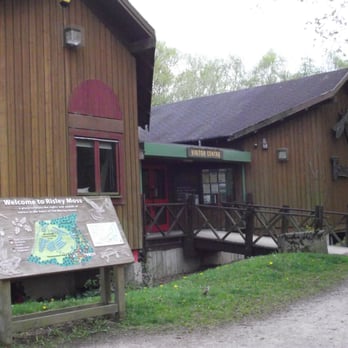
A good place for an afternoon out on a dry day. Risley Moss is very accessible from the M62, and parking is plentiful too. There's an excellent Visitors' Centre with all sorts of information, and quite s few Special Events in holidays and at weekends too. Quite a few walks are signposted throughout the Reserve, one of which leads to a hide about 40ft in the air -- even if you're not an ornithologist it's worth climbing up just for the view! I wouldn't go on a wet day though -- I can imagine it would get rather muddy. But on a dry day -- a great place to visit. read more


16 years ago

14 years ago
Wild and mysterious even today, the 220 acres that make up Risley Moss are a last remnant of the boggy wastelands that once dotted much of the Mersey Valley. Shallow lakes created at the end of the last Ice Age gradually filled with layer upon layer of spongy Sphagnum moss. Over many thousands of years, this waterlogged vegetation built up to form raised peat bogs of which Risley Moss is now an important surviving example. Although once described as 'useless', most of the Mersey mosses were eventually drained for agriculture. But, Risley Moss, which was wetter than the surrounding areas, remained an untouched wilderness until the early 1800's. The Industrial Revolution meant huge amounts of peat were needed for horse and cattle bedding in the rapidly expanding towns. And so, by hand,the peat was stripped and the fragile mossland changed forever. The Second World War brought further changes. A vast munitions factory took shape on the edge of the bog, hidden from enemy bombers by mists off the Moss. Here, labouring day and night, 30000 (mainly women) workers produced a staggering one million mines and 500000 high explosive shells. Though the German air force targeted the supposedly secret site, only one enemy bomb fell anywhere close. When the War was over, the site fell into dereliction. By the 1970's the factory complex had been demolished to make way for new houses. Thankfully Risley Moss and its high wildlife value were recognised. Today Risley Moss is a Site of Special Scientific Interest and a designated Local Nature Reserve read more



More info about Risley Moss Local Nature Reserve
Ordnance Avenue
Warrington WA3 6QX
United Kingdom
Directions
01925 824339
Call Now
Hours
Outdoor Amenities