Seaforth Boat Ramp Photos


You might also consider


More like Seaforth Boat Ramp
Recommended Reviews - Seaforth Boat Ramp
Start your review...



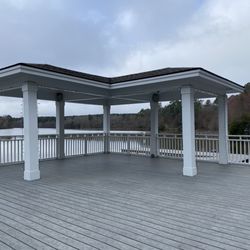
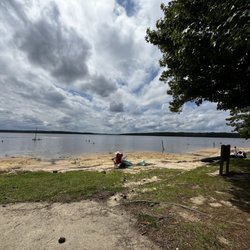
The area was nice, one area is a bit roped off and has sand. It also have a fair amount of picnic benches and plenty of parking. We went in the off season so it wasn't too crowded and was peaceful which was nice UNTIL: One tip for the ladies: there is a guy that was walking/jogging along the beach so I'm not sure if he goes often but seemed like it. He basically was a creep and started a conversation with me and my girl friend even though we obviously were away from other people and made clear signs that we didn't feel like talking to him. Kept asking personal questions and wouldn't move along so we ended up leaving. Fit white guy probably in his late 30's Made the whole experience annoying and stressful in the end It's not obviously the beaches fault but be cautious and safe! read more

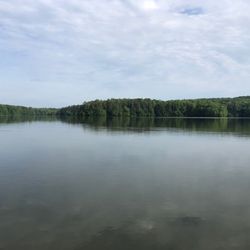
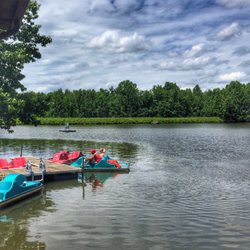
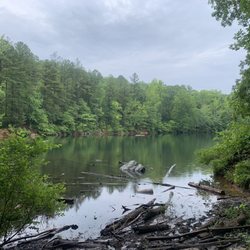
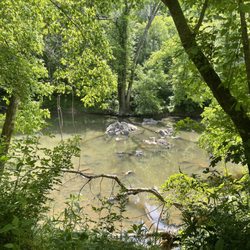
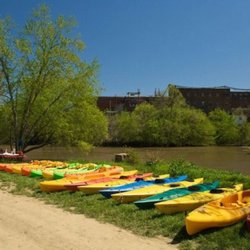
Seaforth recreation area is clean and offers easy access to Jordan Lake. This park has a boat ramp, basic trails to hike, picnic tables, a beach area with water that goes about 4' deep, and grills. On holidays or when the weather is nice it they can fill up. The cost is around $6 per car during peak seasons and free to use most of the off season. Bring your own food and drinks. There is a lot of parking here although it does get busy in the summer, especially on Holidays. Directly across HWY64 is "Parker's Creek Recreation Area". Your day pass covers all parks so keep the receipt in case you want to visit another one of Jordan Lake's recreation areas. Parker's Creek recreation area offers deeper swimming waters and campgrounds. read more


More info about Seaforth Boat Ramp
Seaforth Recreation Area
Pittsboro, NC 27312
Directions
Hours
Outdoor Amenities