SF Wing Foil Academy Photos


More like SF Wing Foil Academy
Recommended Reviews - SF Wing Foil Academy
Start your review...




1 month ago

16 days ago

4 months ago
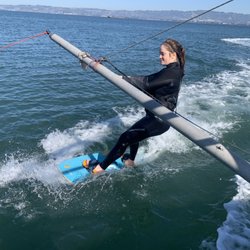
I recently took a beginner wing foil lesson with Josh at SF Wing Foil Academy! Going into the lesson, I was nervous about being out on the water in a boat in windy conditions, but Josh immediately put me at ease. His instruction was clear, organized, and easy to understand. He has a great way of breaking down complex skills into simple steps. I especially appreciated his tips for remembering how to flip and position the wing, along with his coaching on surfer stance, foot placement, and how to steer and control the board using your feet. The boat-based lesson in Tiburon was fantastic. Josh provided a helmet with radio communication, so I received real-time coaching and encouragement while on the water. That constant feedback helped me build confidence and make corrections immediately. He started me on a wide, stable board that allowed me to successfully stand up and focus on wing control without feeling intimidated. By the end of the lesson, I had a solid understanding of wing handling, surfer stance, board control and did my first jibe! Josh was positive, patient, supportive, and genuinely invested in helping students succeed. I went from feeling nervous before the lesson to being completely stoked to get back on the water. I can't wait to return and start practicing on a foil board next! read more


1 month ago
29 days ago
4 months ago

1 year ago

1 year ago

1 year ago
1 year ago
2 years ago
Zero to hero!!! Josh is an amazing instructor. Perfect balance of teaching and coaching. He got me from "this is how to hold a kite" to foiling in a few hours! (Albeit measured in milliseconds). The walkie-talkie equipped helmet is a game changer. read more

11 months ago
Josh at SF Wing Foil Academy is awesome! He breaks everything down so it's easy to understand, keeps it fun, and makes sure you're progressing every session. Highly recommend for beginners or anyone looking to improve fast! I booked multiple sessions with Josh and had a breakthrough each time. I can now get up by myself and foil using the wing/wind. Looking forward to booking another round of sessions to practice staying upwind and eventually get out on my own. Trust me, this is not a sport you can just pick up by watching YouTube videos. You need the hands on experience with someone who knows what they are doing at every step. Josh breaks down the steps and then puts it all together. The best part is that you are wearing a 2 way radio helmet. He coaches you in real time, helping you make the adjustments you need to get that breakthrough. You get what you pay for, and his sessions are worth every penny. read more


1 year ago
1 year ago


3 years ago
1 year ago
2 years ago
2 years ago
2 years ago
2 years ago
2 years ago

3 years ago
2 years ago
2 years ago
3 years ago
More info about SF Wing Foil Academy
158 St Thomas Way
Belvedere Tiburon, CA 94920
Directions
(415) 350-5524
Call Now
Visit Website
https://sfwingfoilacademy.com
Hours
Payment methods
Outdoor Amenities
Ask the Community - SF Wing Foil Academy
Review Highlights - SF Wing Foil Academy











Why does Yelp recommend reviews?
5 reviews that are not currently recommended
The reviews below are not factored into the business's overall star rating.
2 years ago
3 months ago

1 year ago
2 years ago

2 years ago
SF Wing Foil Academy - kiteboarding - Updated September 2026
Best of Belvedere Tiburon
People found SF Wing Foil Academy by searching for…
Kite Surfing Lessons in Belvedere Tiburon, CA
Wakeboarding in Belvedere Tiburon, CA
Paddleboarding in Belvedere Tiburon, CA
Windsurfing in Belvedere Tiburon, CA
Sailing Lessons in Belvedere Tiburon, CA
Sailing in Belvedere Tiburon, CA
Beach in Belvedere Tiburon, CA
Kite Flying in Belvedere Tiburon, CA
Surfing in Belvedere Tiburon, CA
Wetsuit Rental in Belvedere Tiburon, CA
Wetsuit Repair in Belvedere Tiburon, CA
Stand Up Paddle Board in Belvedere Tiburon, CA
Paddle Boarding in Belvedere Tiburon, CA
Surfboard Rental in Belvedere Tiburon, CA
Water Sports in Belvedere Tiburon, CA
Surfboard Shaper in Belvedere Tiburon, CA
Sailing School in Belvedere Tiburon, CA
Fun Things to Do in Belvedere Tiburon, CA
Browse Nearby
BEST of Belvedere Tiburon, California Restaurants near SF Wing Foil Academy
BEST of Belvedere Tiburon, California Coffee near SF Wing Foil Academy
BEST of Belvedere Tiburon, California Things to Do near SF Wing Foil Academy
BEST of Belvedere Tiburon, California Paddleboarding near SF Wing Foil Academy
BEST of Belvedere Tiburon, California Windsurfing near SF Wing Foil Academy
BEST of Belvedere Tiburon, California Breakfast near SF Wing Foil Academy
BEST of Belvedere Tiburon, California Day Trips near SF Wing Foil Academy
BEST of Belvedere Tiburon, California Ferries near SF Wing Foil Academy
BEST of Belvedere Tiburon, California Sightseeing near SF Wing Foil Academy


