State Road Covered Bridge Photos


More like State Road Covered Bridge
Recommended Reviews - State Road Covered Bridge
Start your review...



9 years ago
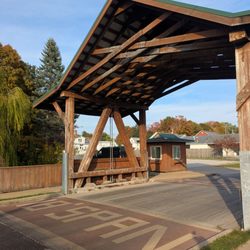
Because I love covered bridges so much, Chris planned a day-long driving tour of Ashtabula county's 16 covered bridges. State Rd covered bridge is worth the visit: it is beautiful!!! A covered bridge is a bridge, often single-lane, with enclosed sides and a roof. They are typically wooden. Early bridges were made of wood, especially where it was a plentiful resource. Wooden bridges tended to deteriorate rapidly from exposure to the elements, having a useful lifespan of only nine years. Covering them protected their structural members, thus extending their life to 80 years or more. Covered bridges were also constructed to be used by travelers during storms and inclement weather. Most wooden covered bridges employ trusses as their key structural design element. A popular design was the Brown truss, known for its simplicity, but others were also used. Covered bridges are generally considered old-fashioned, and appeal to tourists, but the purpose is twofold: (1) covered bridges appear similar to barns and it is easier to transport cattle across them without startling them, and (2) to build a structure for weather protection over the working part of the bridge. A bridge built entirely out of wood, without any protective coating, may last 10 to 15 years. Builders discovered that if the bridge's underpinnings were protected with a roof, the bridge could stand for 70, or even 80 years. The existing covered bridges have been renovated using concrete footings and steel trusses to hold additional weight and to replace the original support timbers.Some covered bridges, such as the one in Newton Falls, Ohio and Elizabethton, Tennessee, also feature an integrated covered walkway. Ohio is so unique with its covered bridges. It was awesome to visit the bridges one by one -- to see Ohio's beauty from the back roads. read more


5 years ago

11 years ago
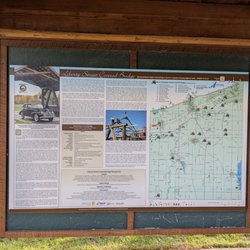
Ashtabula County, Ohio loves covered bridges so much they are creating new ones as well as renovating the historic ones. This is the first covered bridge to be built by former county engineer John Smolen, Jr. whom also designed and built Smolen-Gulf covered bridge (the longest covered bridge in the United States) 25 years later in 2008. State Road covered bridge features a 4 foot tall window that spans the entire length of the bridge (on both sides) making the interior much brighter than your average covered bridge. It is currently one of 17 driveable bridges in the Ashtabula County collection. ---------- BRIDGE FACTS Year Built: 1983 Builder: John Smolen, Jr. Length: 152 feet Truss type: Town Location: Conneaut Creek in Ashtabula County, Ohio ---------- FINAL THOUGHTS Ohio, my hat is off to you! I look forward to returning someday to see what other new bridges you will create. Maybe I'll even get a chance to attend one of your lovely bridge festivals. NOTE to the powers that be: If there are ever ANY volunteer opportunities to restore the historic bridges OR take part in building a new one from the ground up... I'd seriously love to be a part of it! read more


6 years ago
More info about State Road Covered Bridge












State Road Covered Bridge - landmarks - Updated August 2026
Best of Kingsville
People found State Road Covered Bridge by searching for…
Things to Do in Kingsville, OH
Places to Take Pictures in Kingsville, OH
Historical Tours in Kingsville, OH
Arts & Entertainment in Kingsville, OH
Scenic Drive in Kingsville, OH
Scenic Overlook in Kingsville, OH
Tourist Attractions in Kingsville, OH
Beautiful Views in Kingsville, OH


